Turtles
Research by Bayla Sheshadri (‘25)
I chose to study these turtle figurines through close visual analysis. Interested in the different kinds of terrapins and their symbolic meanings, I found that to truly delve into their cultural significance, I had to first sort them into distinct categories—freshwater turtle, sea turtle, and tortoise—each with unique physical features and visual cues. This classification was essential, because each type of terrapin invited a different interpretation. To understand how Tang artists expressed meaning through these animal forms, I needed to examine not only the turtles themselves, but also how the artists’ choices of shape, posture, and surface detail reflected broader cultural beliefs and artistic intentions. The goal was not just to identify turtles, but to ask: what do these forms tell us about the world the artist saw and the world they believed in?
Turtles have long held deep significance in Chinese cosmology. They are seen as creatures of stability, longevity, and transformation—beings that could move between the earth and the underworld. Figurines were sometimes worn on the body, serving as amulets for protection, prosperity, or guidance in the afterlife. Even earlier, turtle shell divination was practiced as a spiritual ritual, linking the cracks in burned shells to divine insight. While that practice faded by the Tang era, the cultural weight of the turtle endured—now expressed in new materials like clay, and new forms like figurines. In these small ceramic sculptures, we find both the animal and the idea of the turtle. These figurines, while small, carry a vast symbolic weight. They’re not just representations of turtles. They’re representations of how humans saw the world around them.
Each figurine was categorized based on physical characteristics: shell shape, foot or fin structure, head size, and surface pattern. These details allowed me to divide the figurines into three visual species groups:
- Sea Turtles – streamlined bodies, flipper-like fins, circular shell spots (219, 333, 508)
- Freshwater Turtles – compact forms, raised octagonal shell patterns (477, 526, 563)
- Tortoises – large heads, stalky feet, and linear shell designs (214, 518, 543)
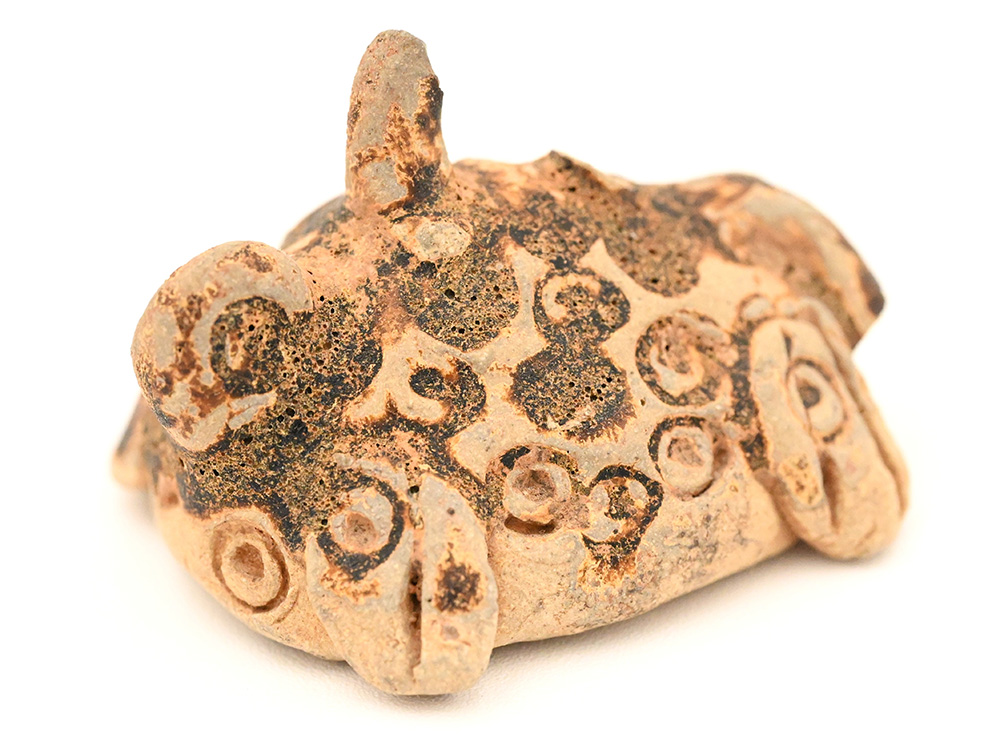
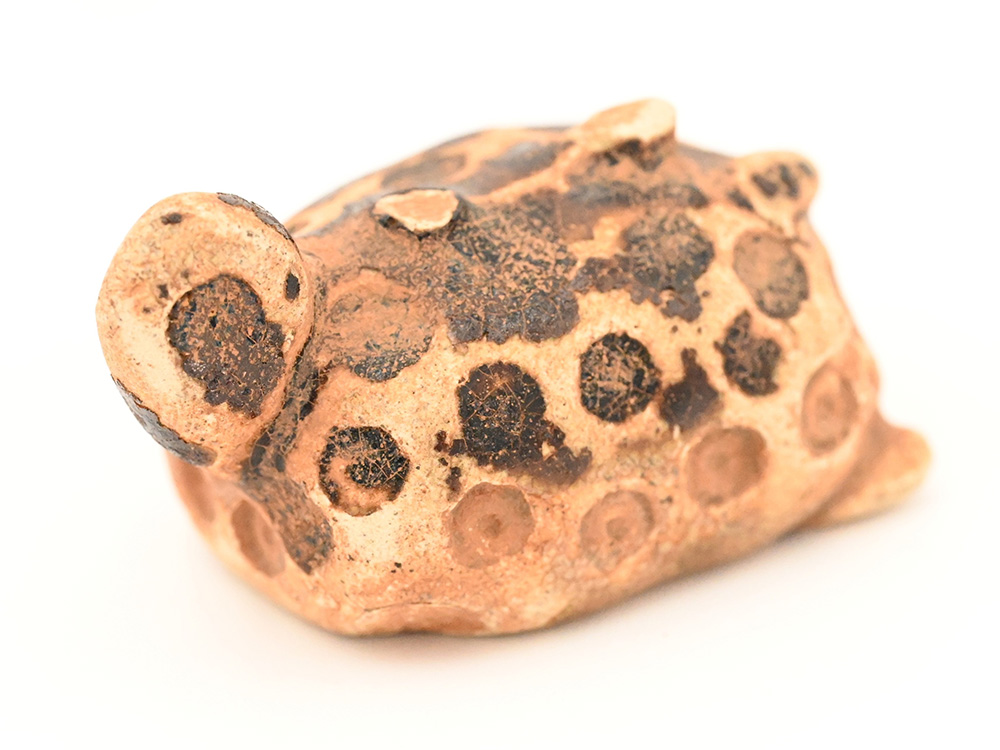
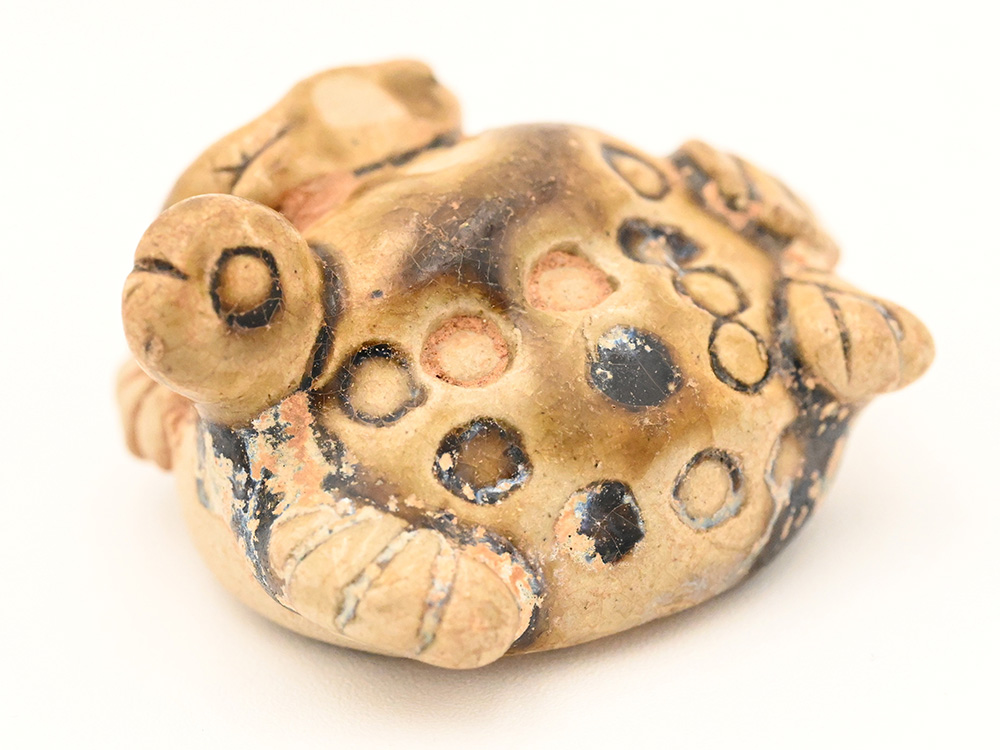
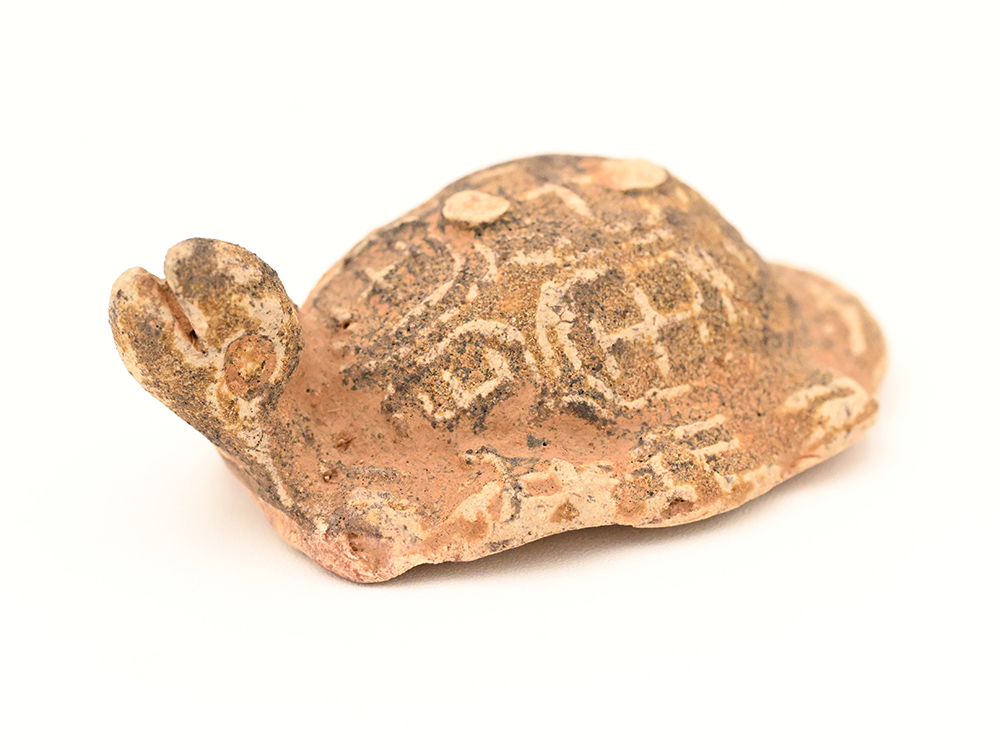
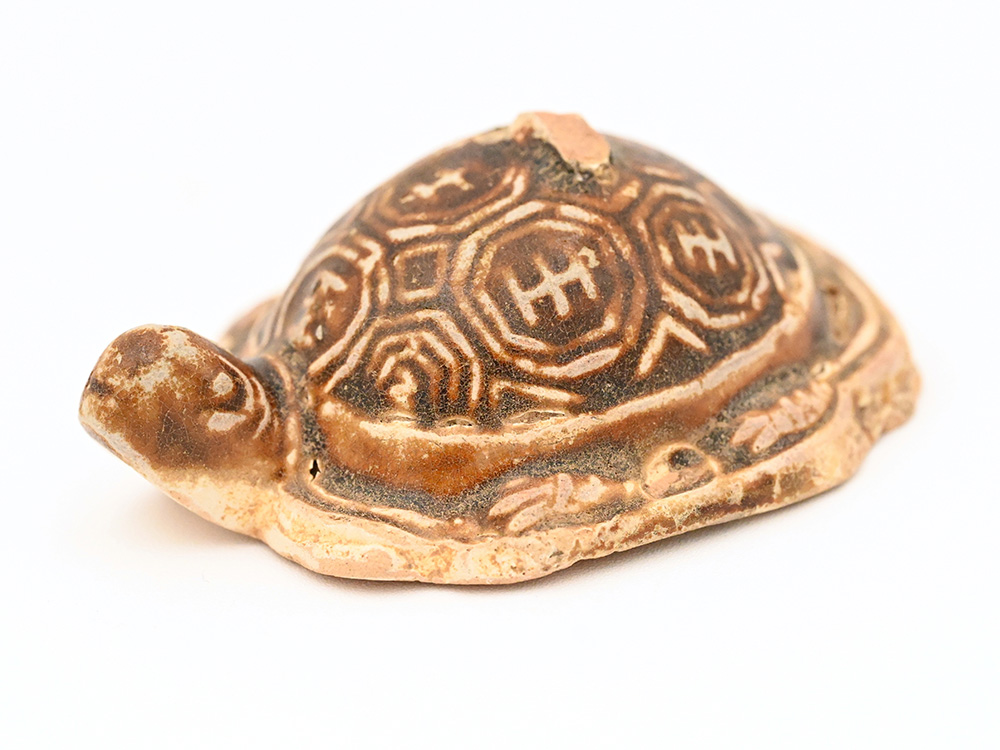
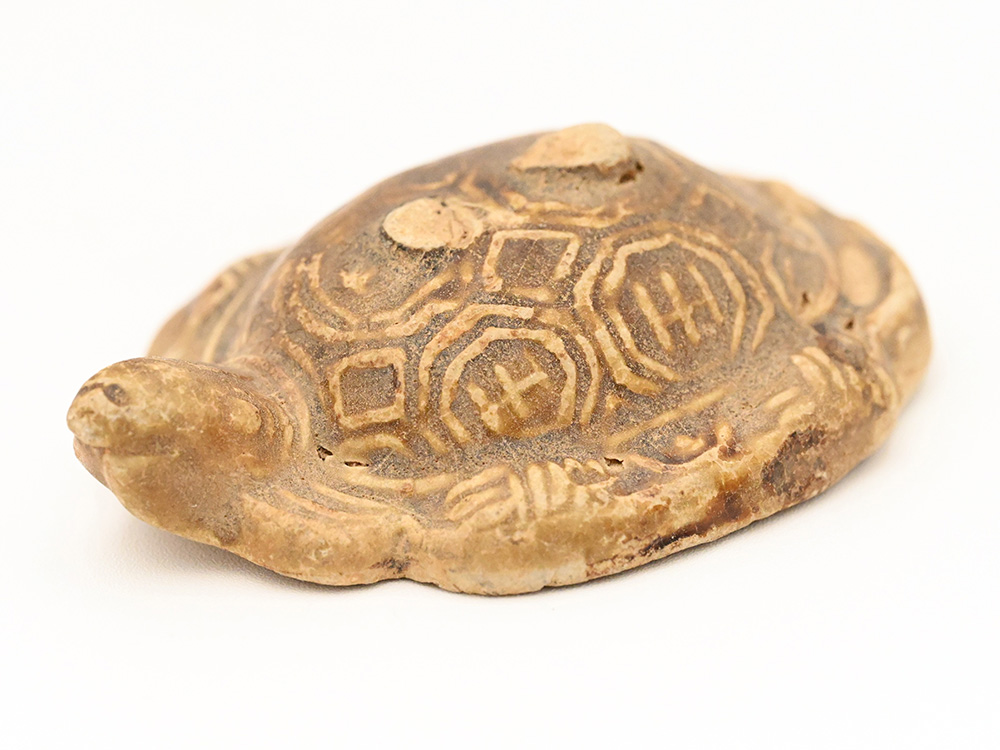
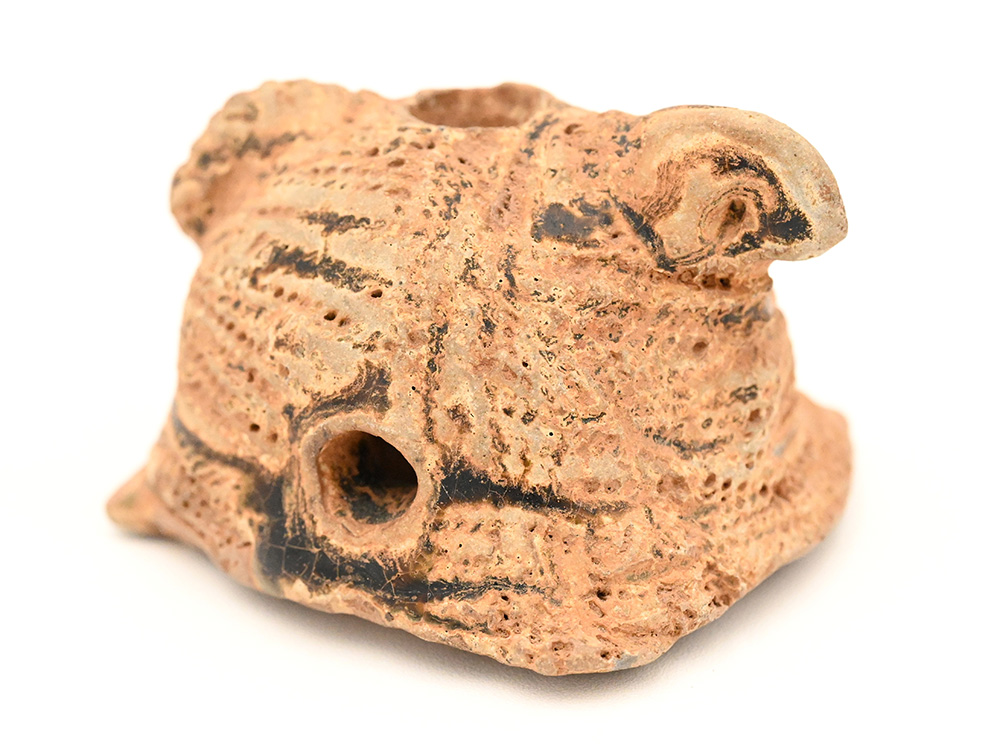
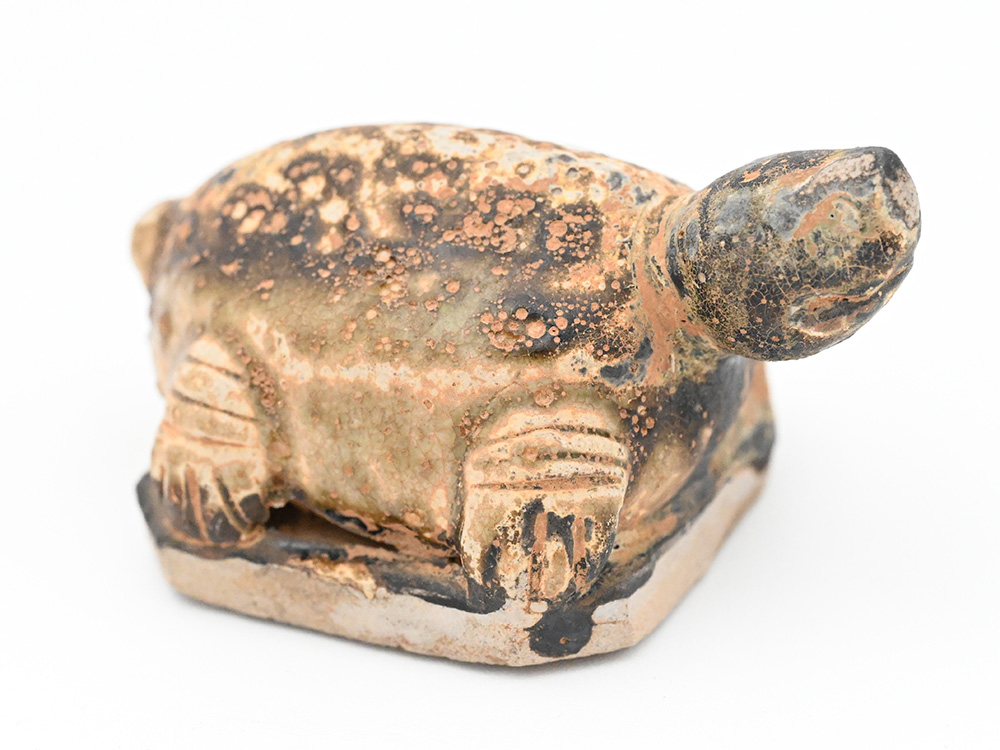
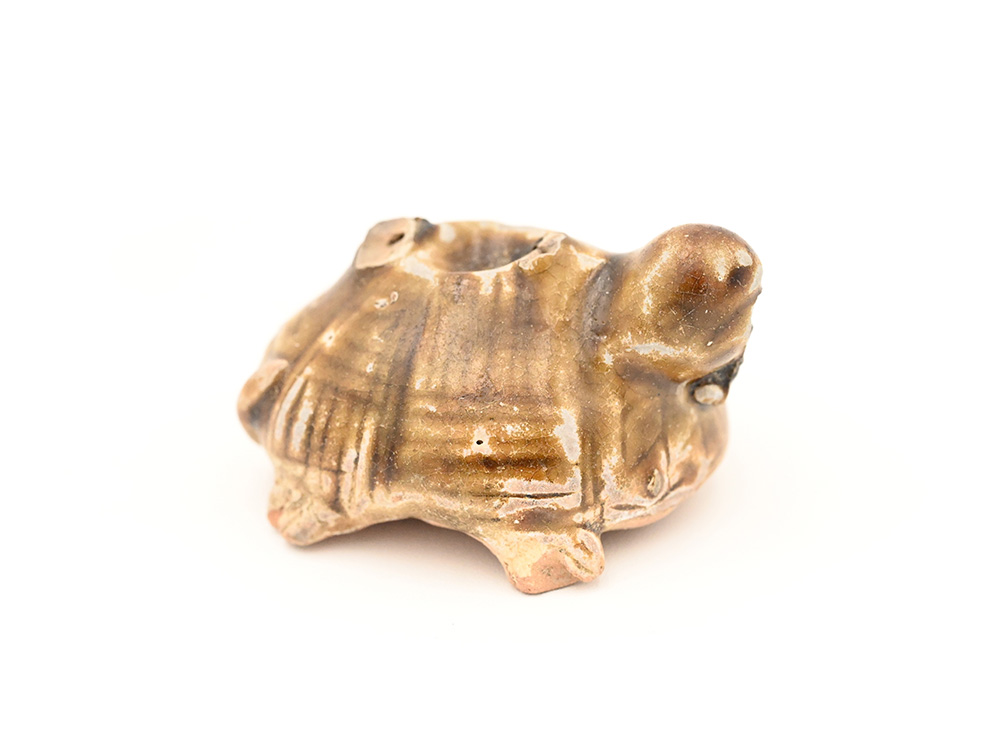
Even within these categories, individual figurines vary—some with tilted heads, loop attachments, or decorative flares. These details might reflect the artist’s own interpretation, or perhaps the preferences of the owner who commissioned it. These are not identical replicas. They are personal, symbolic renderings of the natural world.
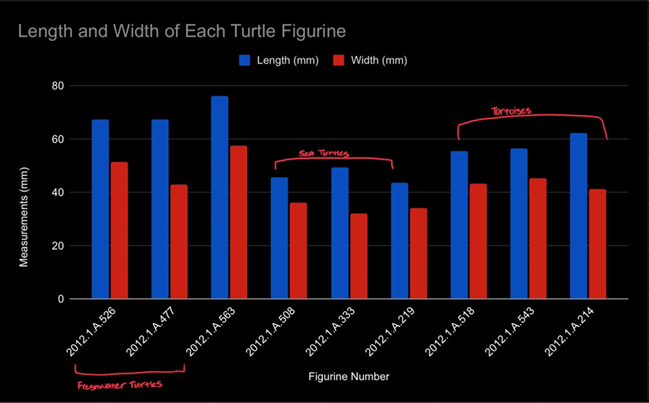
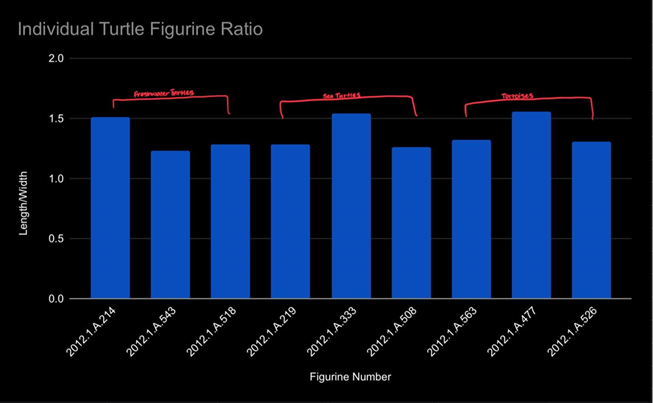
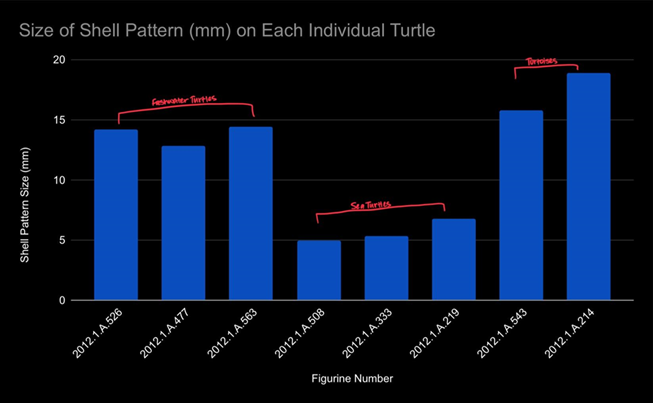
To understand the intent behind these turtles, I measured each figurine’s length, width, and shell pattern size. This visual data revealed surprising consistency within each species group:
- Freshwater turtles were the largest overall
- Sea turtles were smallest, with tight circular designs
- Tortoises had the largest shell pattern lengths, with line-based decoration
Interestingly, while the actual size of each figurine varied, their proportions remained consistent. The length-to-width ratios across all categories clustered around 1.25–1.55. This suggests a shared sense of balance or ideal form—even as details shifted. In this way, the turtle becomes a blend of biology and imagination.
Explore the Other Sections of this Exhibit