Toys
Research by Michelle Ye (‘25)
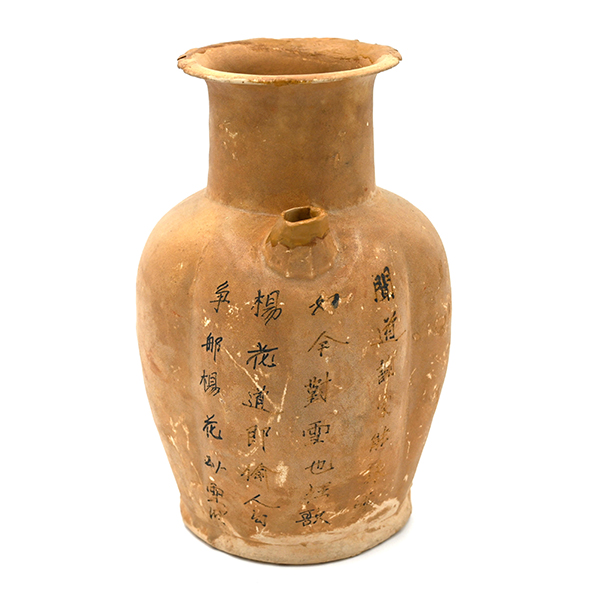
Who made the Changsha miniatures? Are these toys? Why were they thrown away? Answering these questions has been the goal of my research for the past two years, which is also my Honor’s Thesis in the Department of Anthropology. My research looks at artifacts from two museums: the Lam Museum and the Changsha Museum in Hunan Province, China.
The collection in the Changsha Museum is the most comprehensive in the world, as it is the repository for the excavations of corresponding archaeology and history research institutions in China. Unlike the Lam Museum collection, all the ceramic figurines collected in the Changsha Museum have specific excavation notes recording their provenance and other essential contextual information. This makes them very helpful as a comparison for artifacts from unknown sources. I conducted my research at the two museums between May and August 2024.
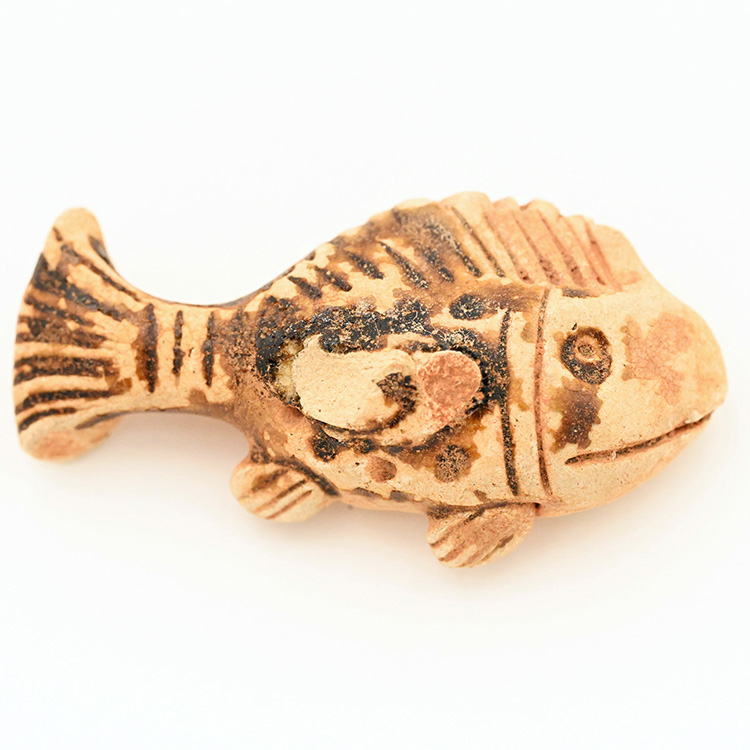
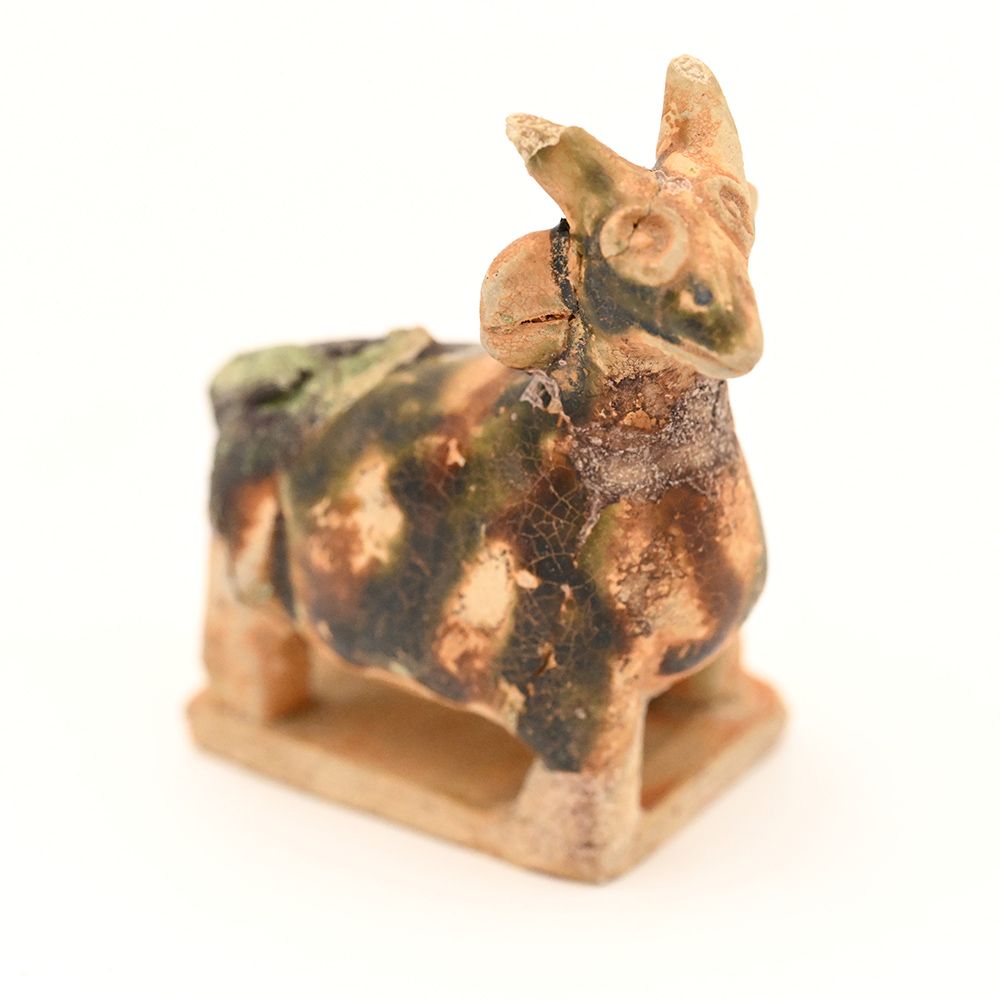
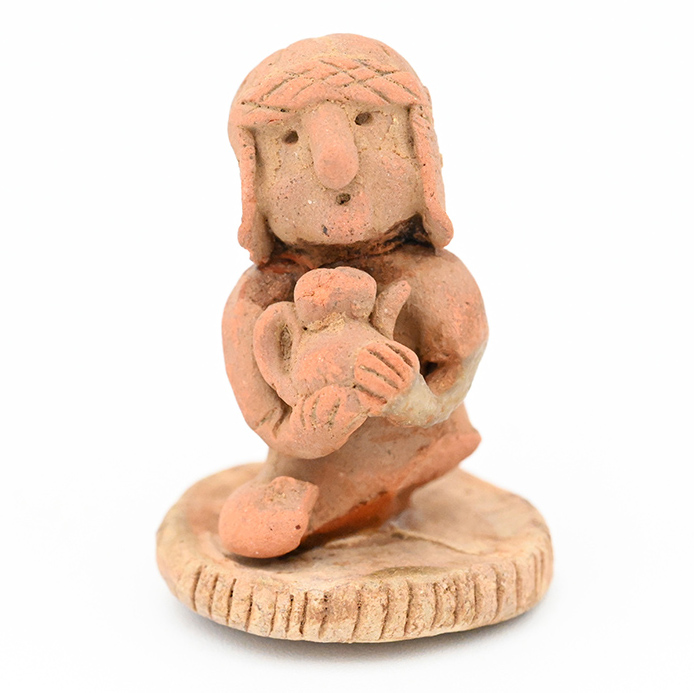
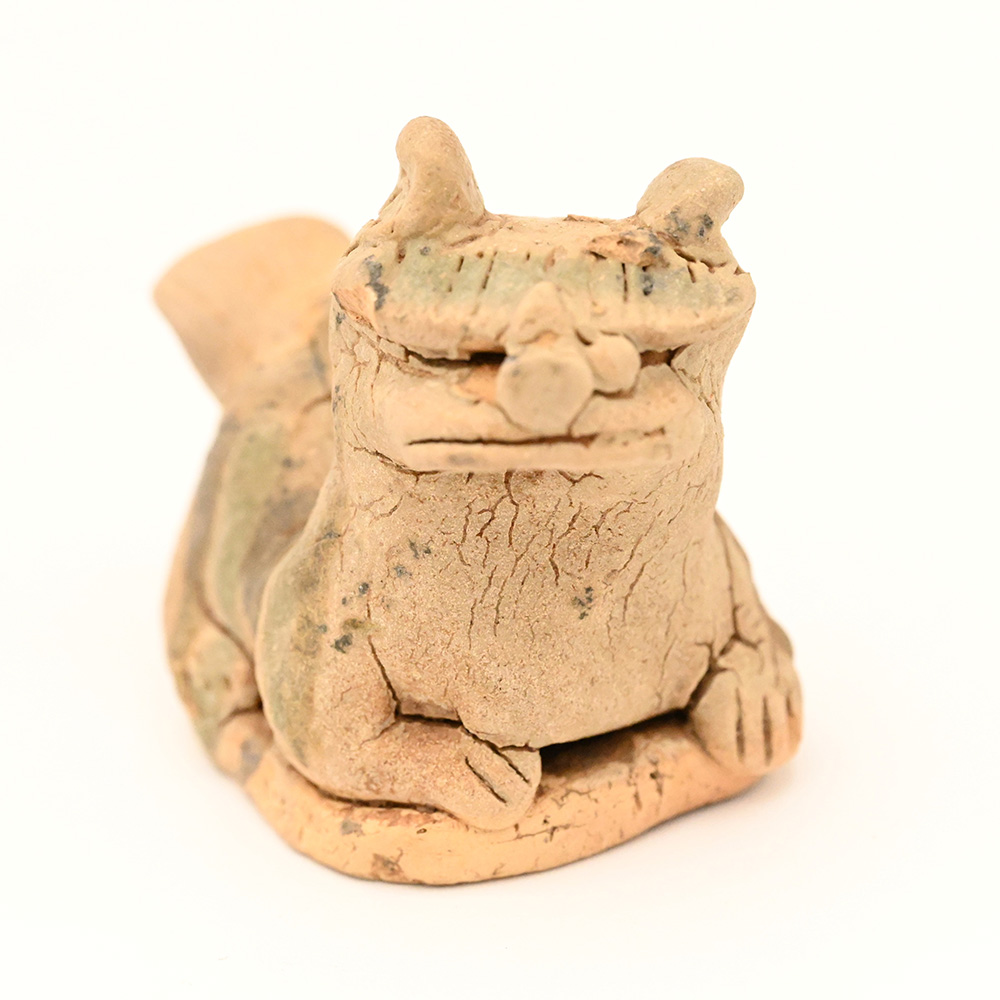
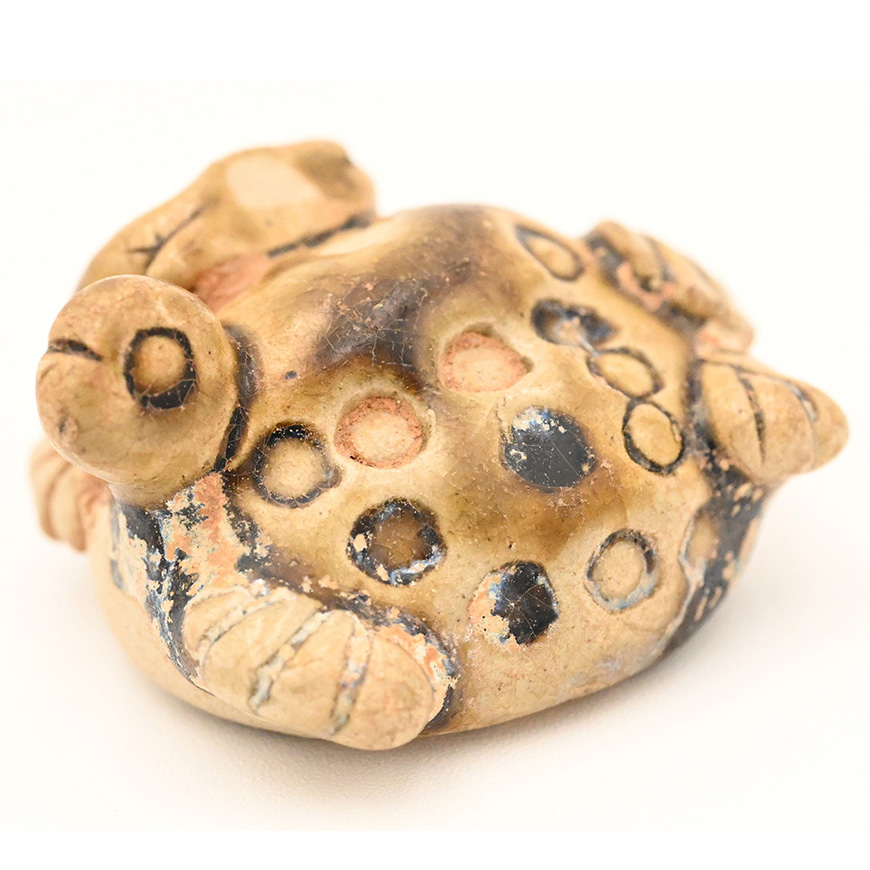
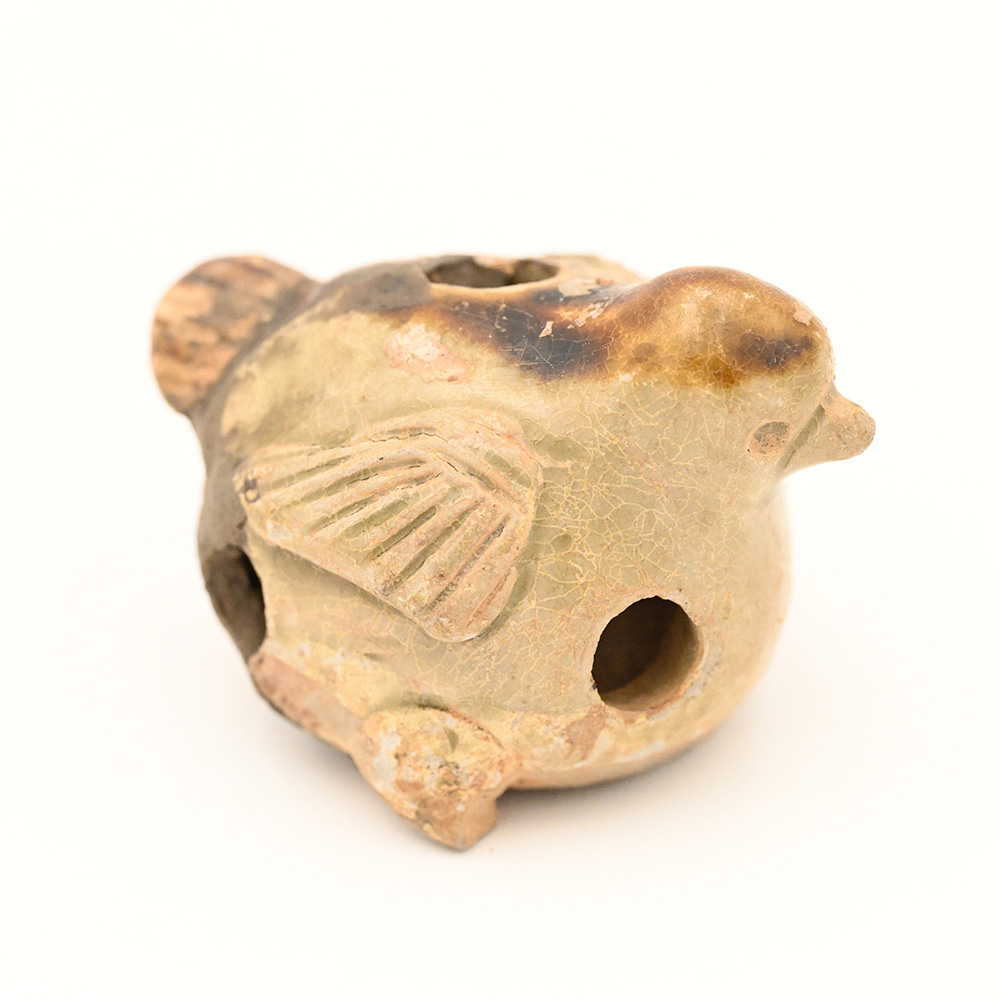
Of the 143 figurines I examined from both the Lam Museum and the Changsha Museum, most have some kind of physical irregularity. It could be an issue with the form generally, or a specific misalignment of proportions, orientation of body parts, or even missing body parts.
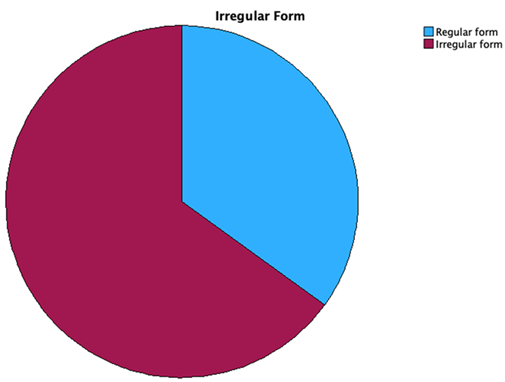
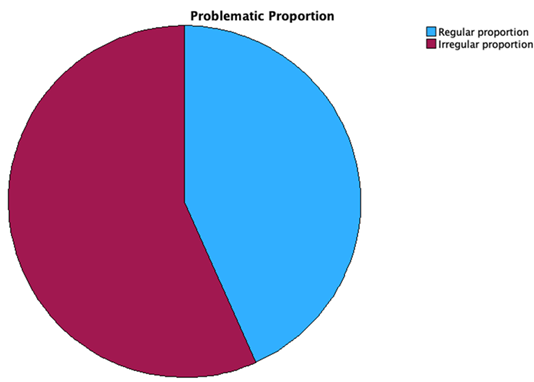
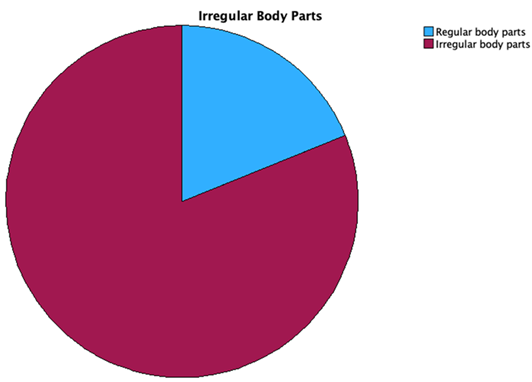
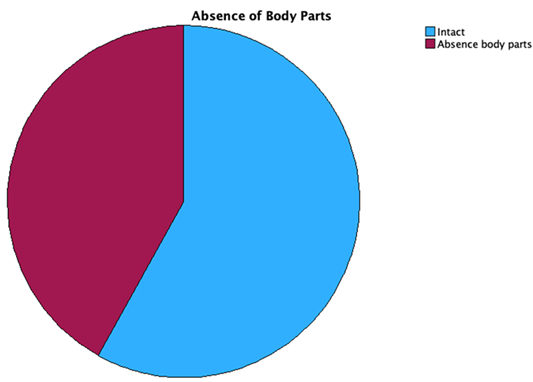
The variability observed in Changsha ceramic figurines—particularly formal irregularities—can be explained through a range of cultural, technical, and practical factors. While some irregularities may have rendered objects unsellable due to aesthetic standards rooted in Tang Dynasty values of naturalism, these judgments were often subjective. Figurines with recognizable animal features were generally acceptable, whereas those with more severe distortions may have been discarded.
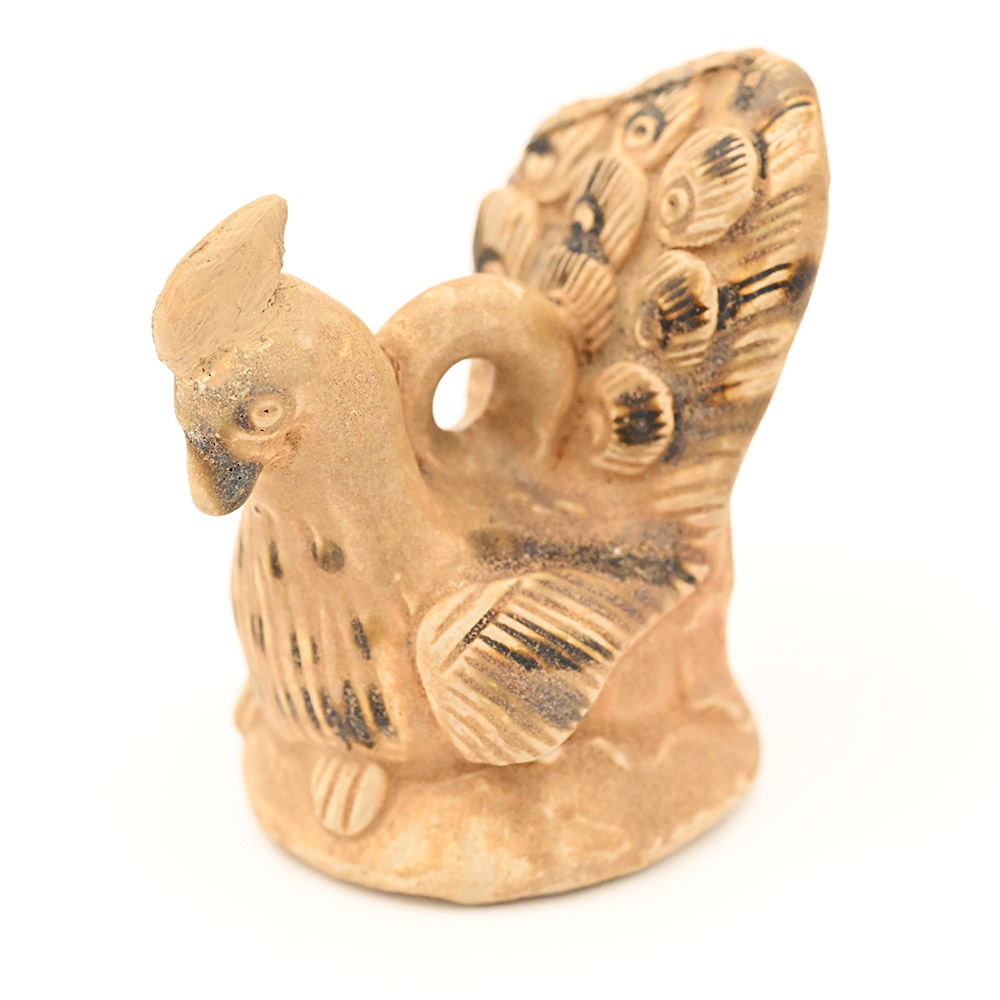
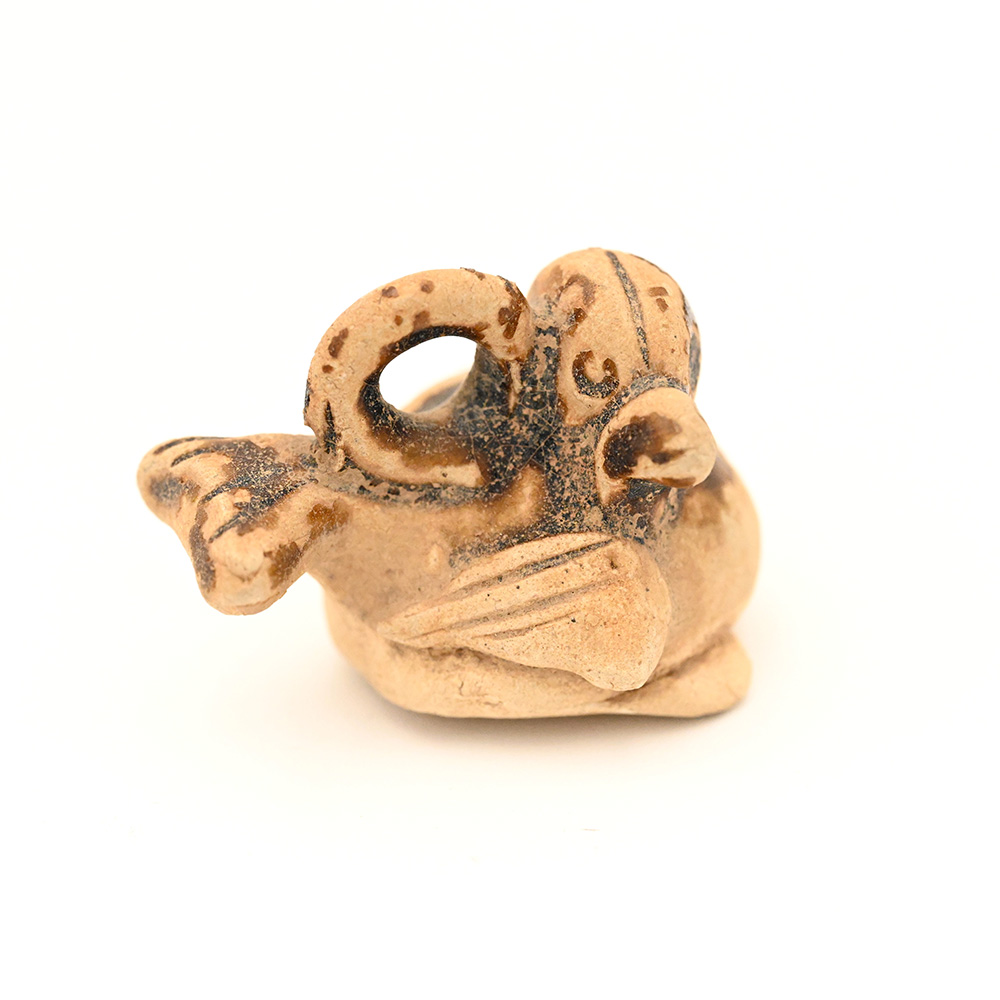
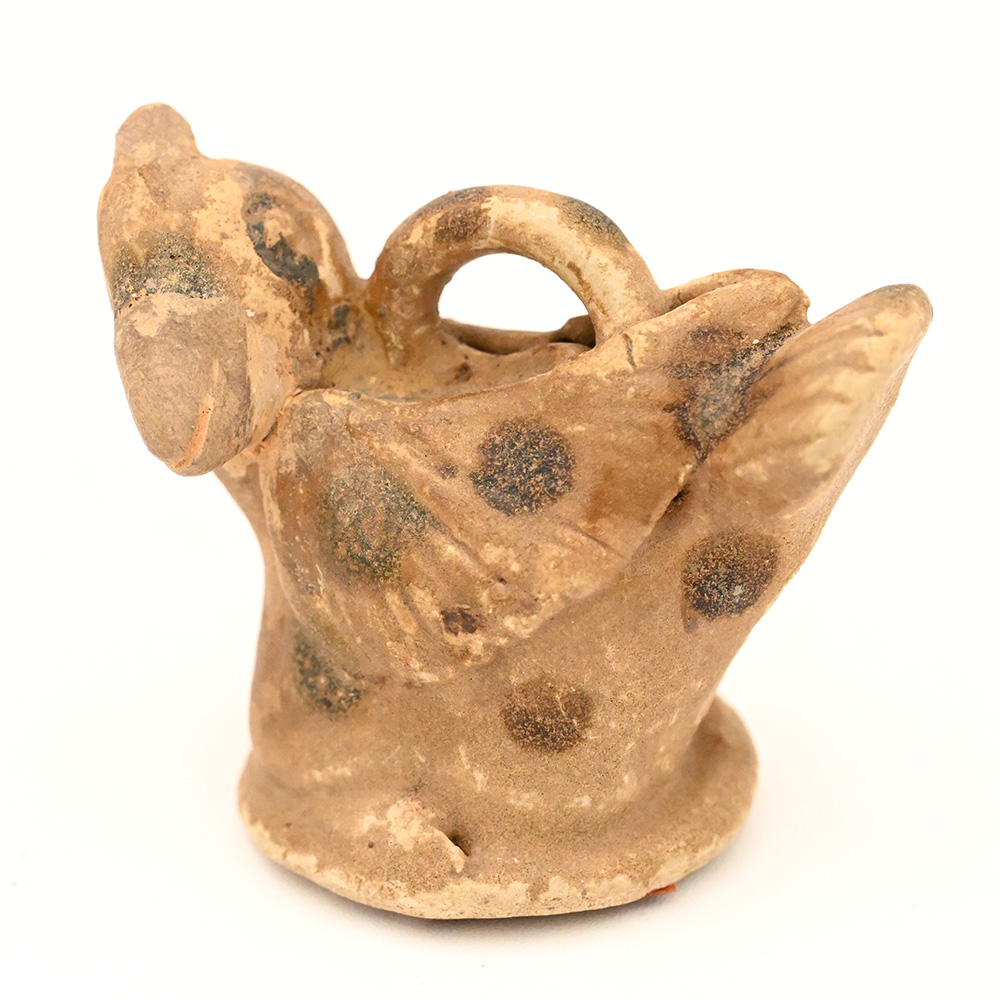
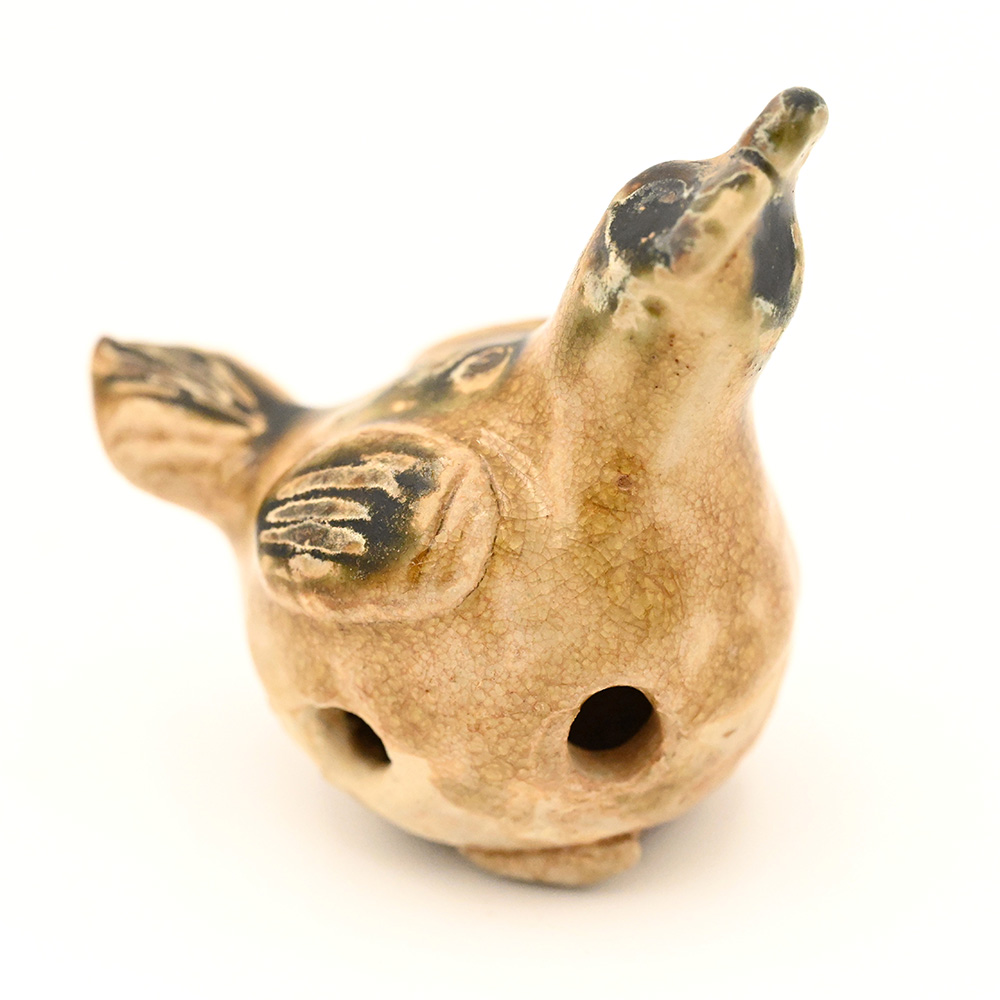
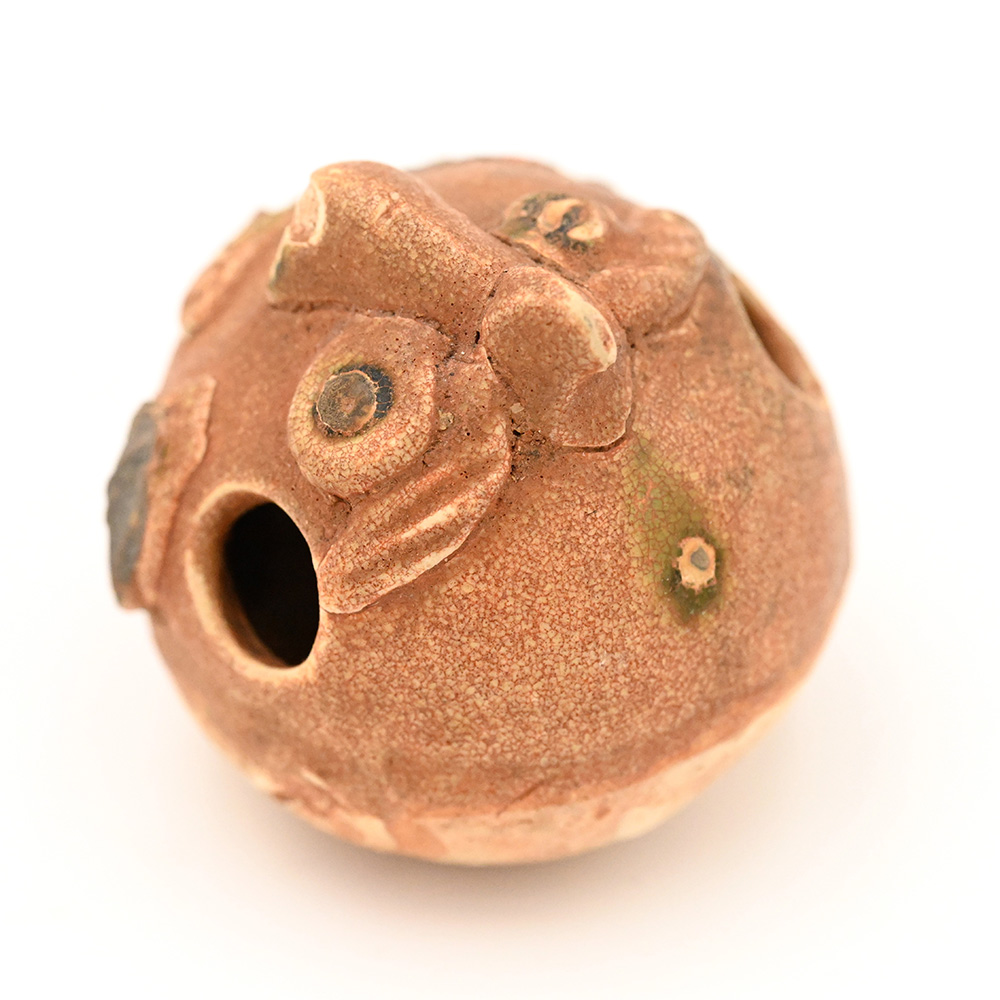
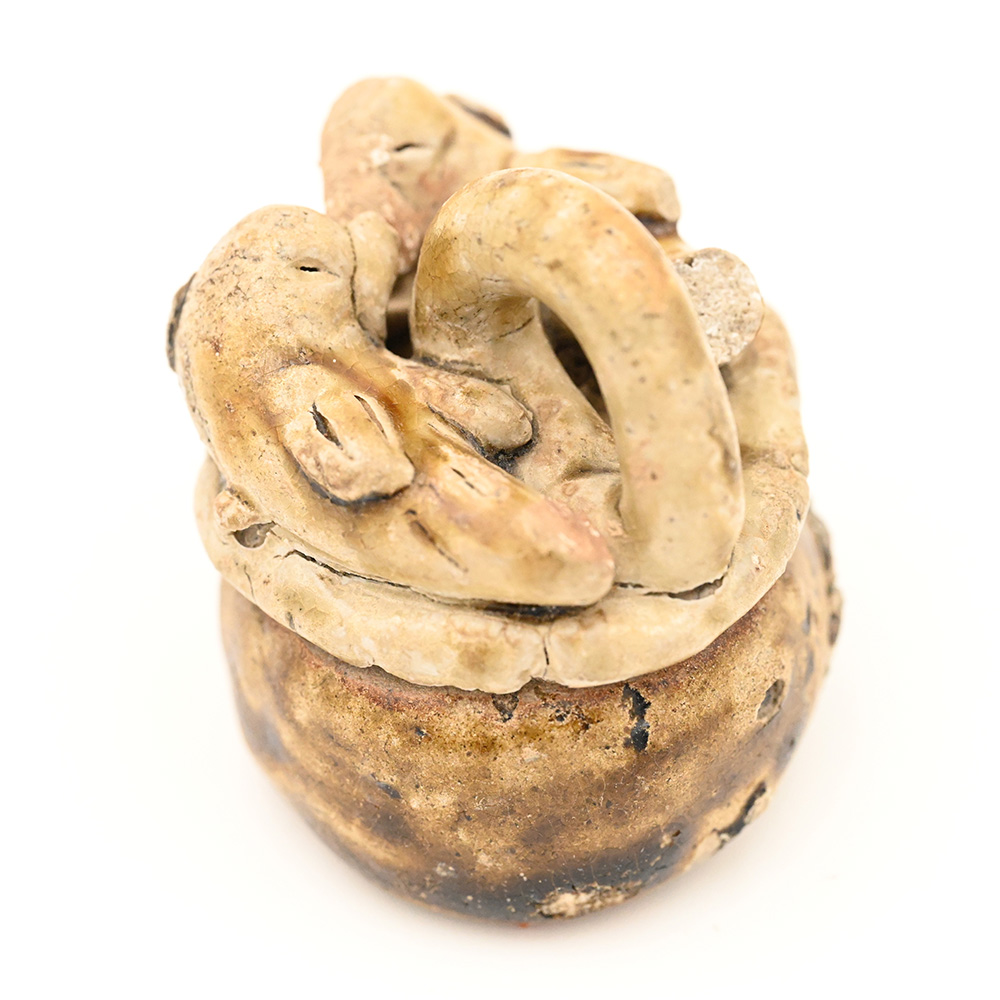
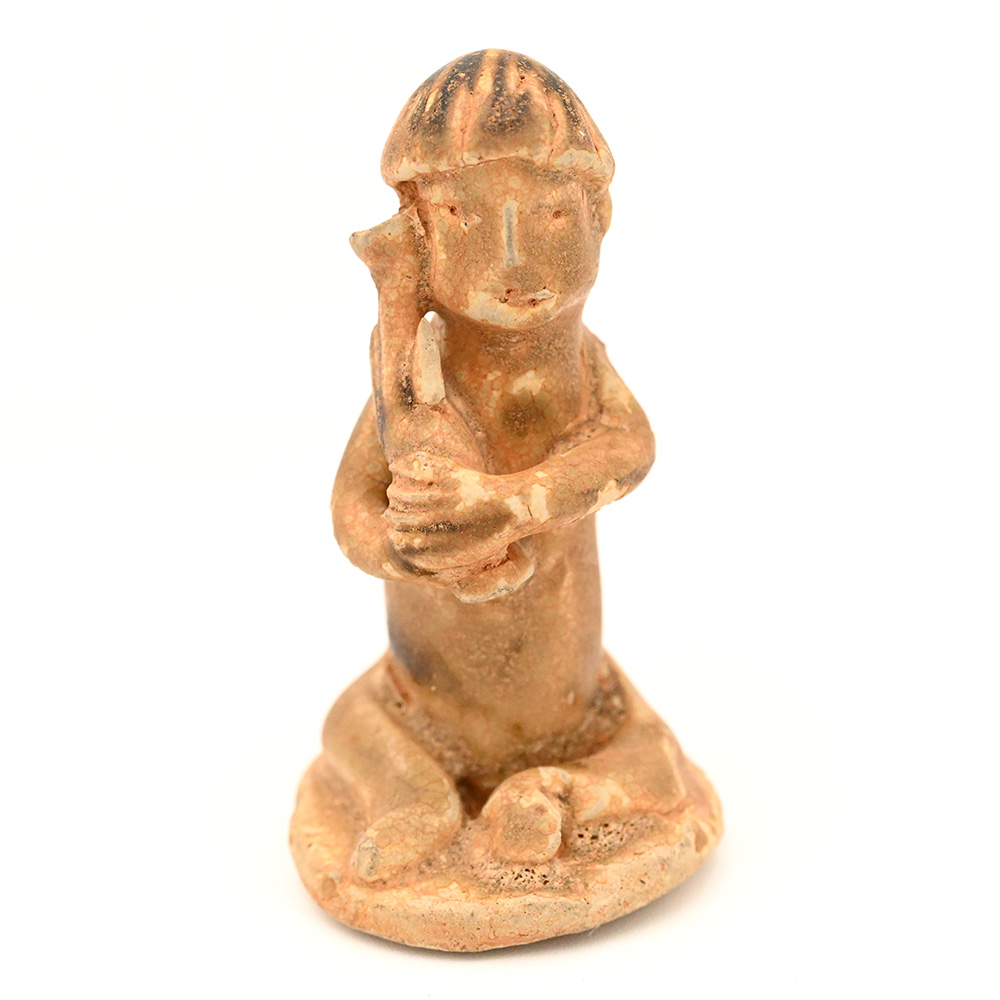
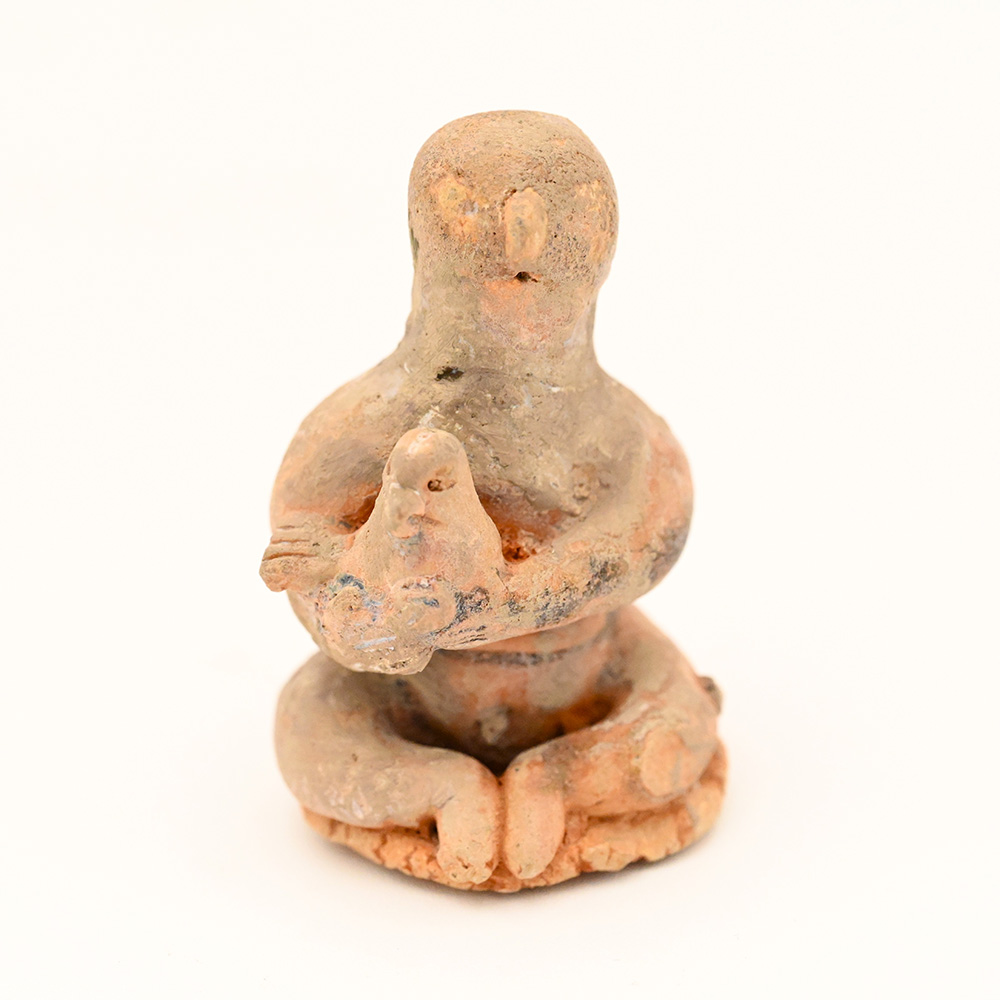
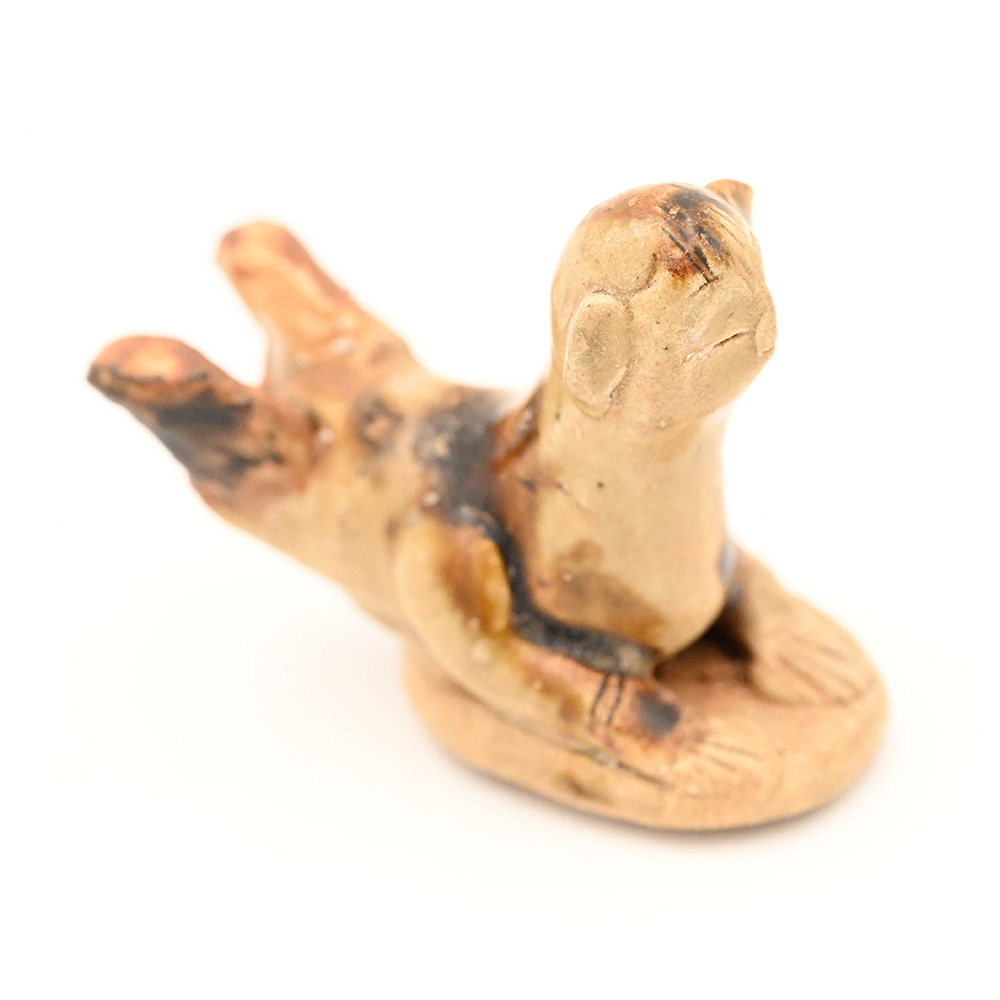
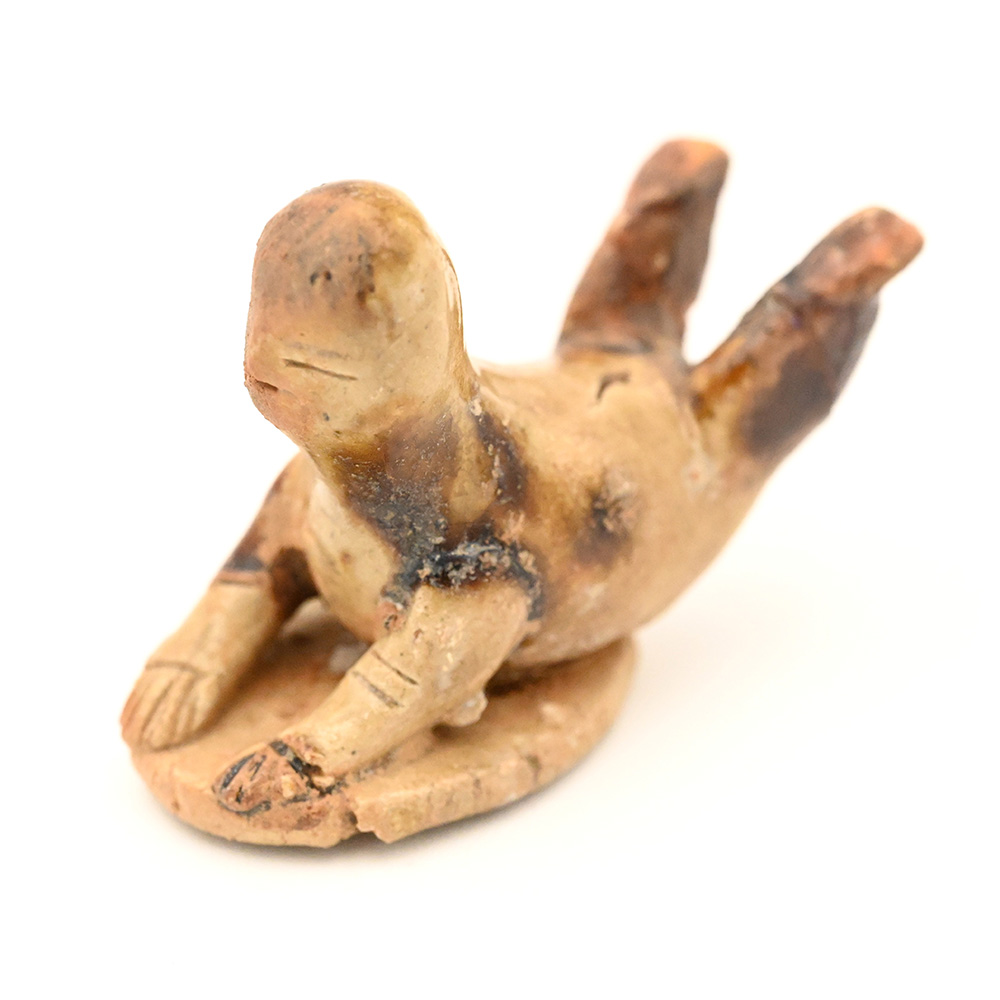
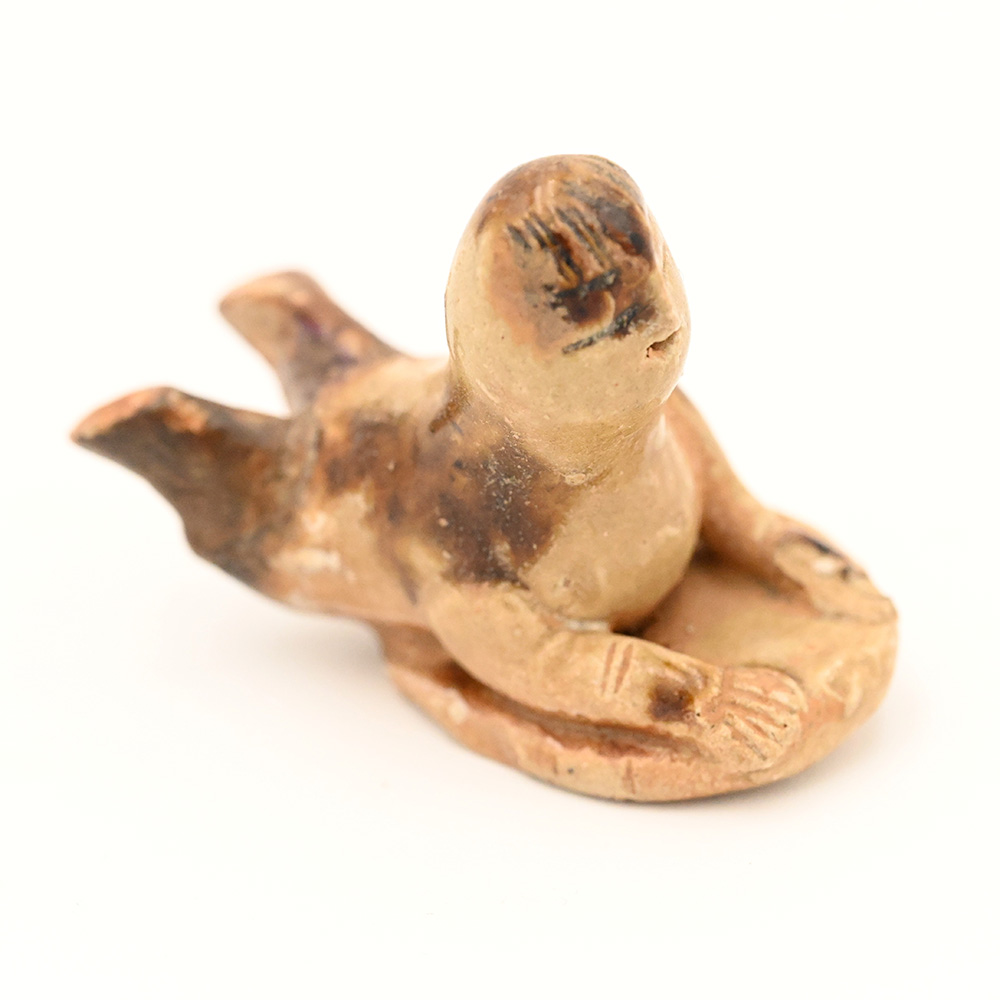
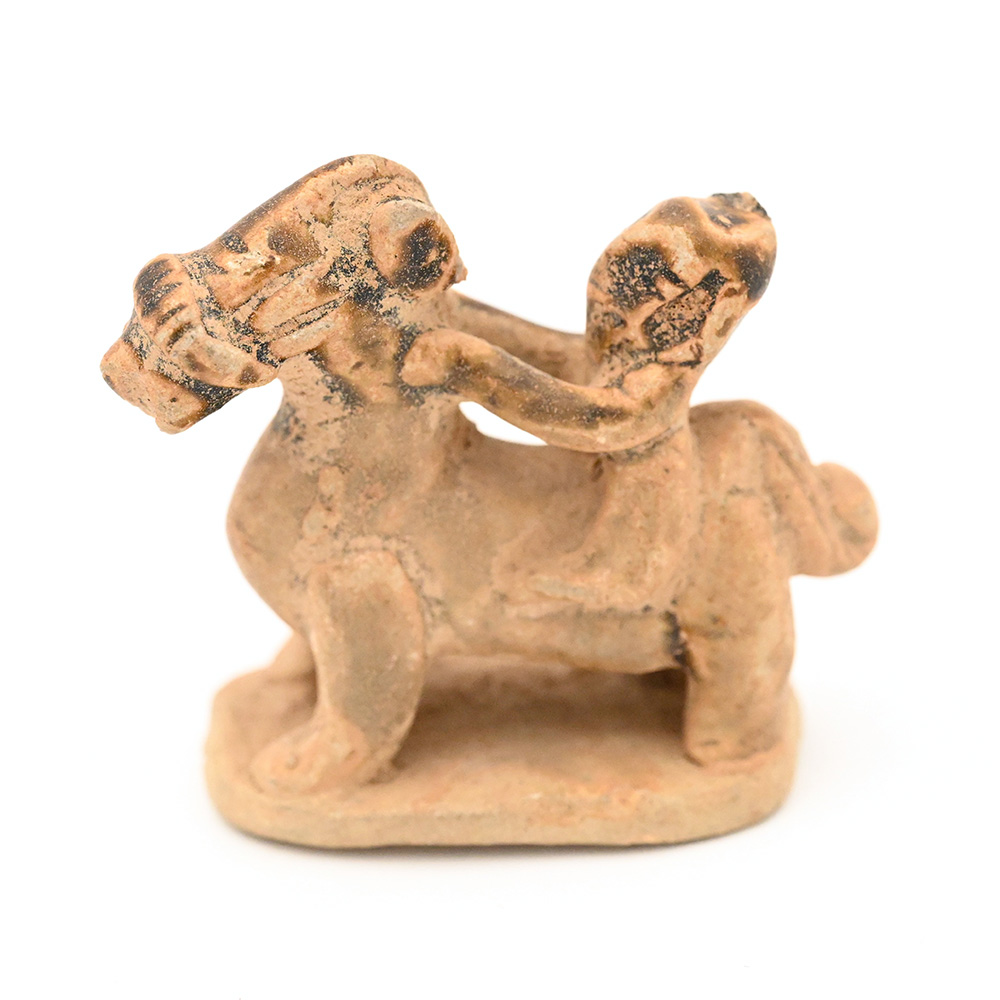
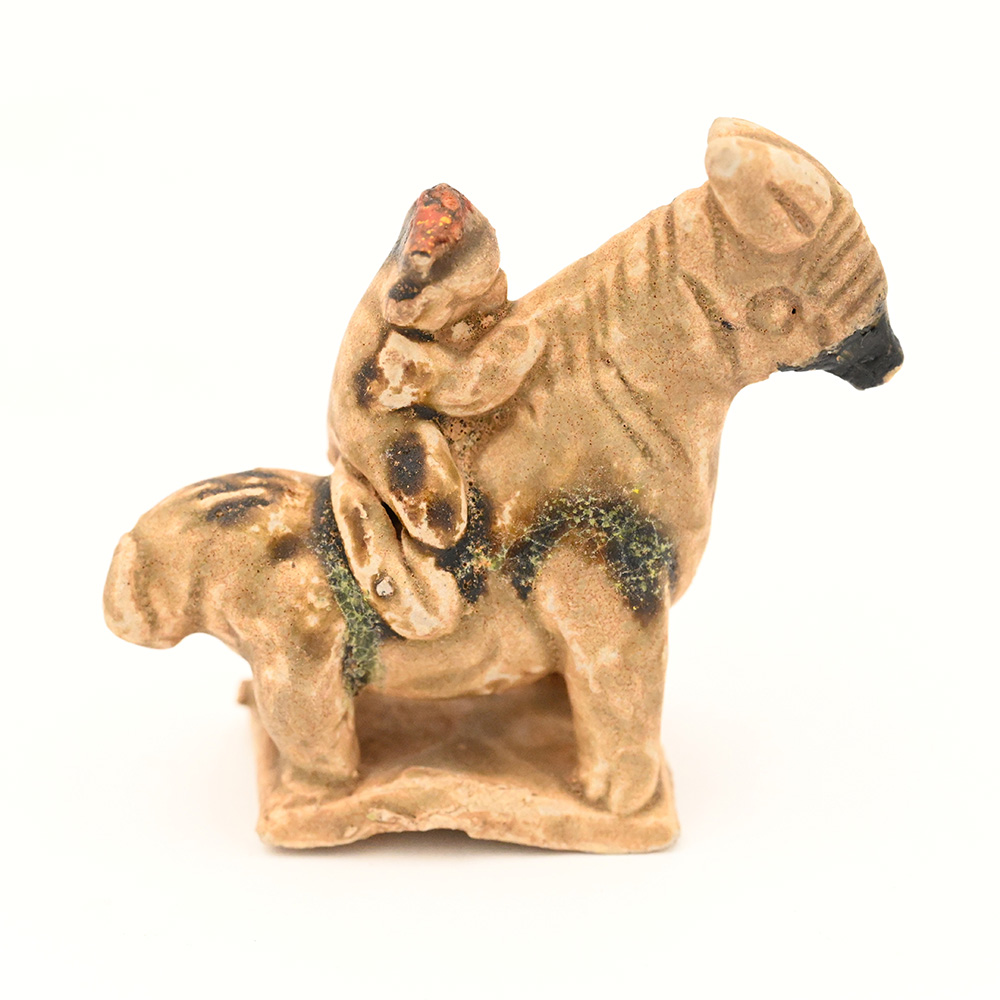
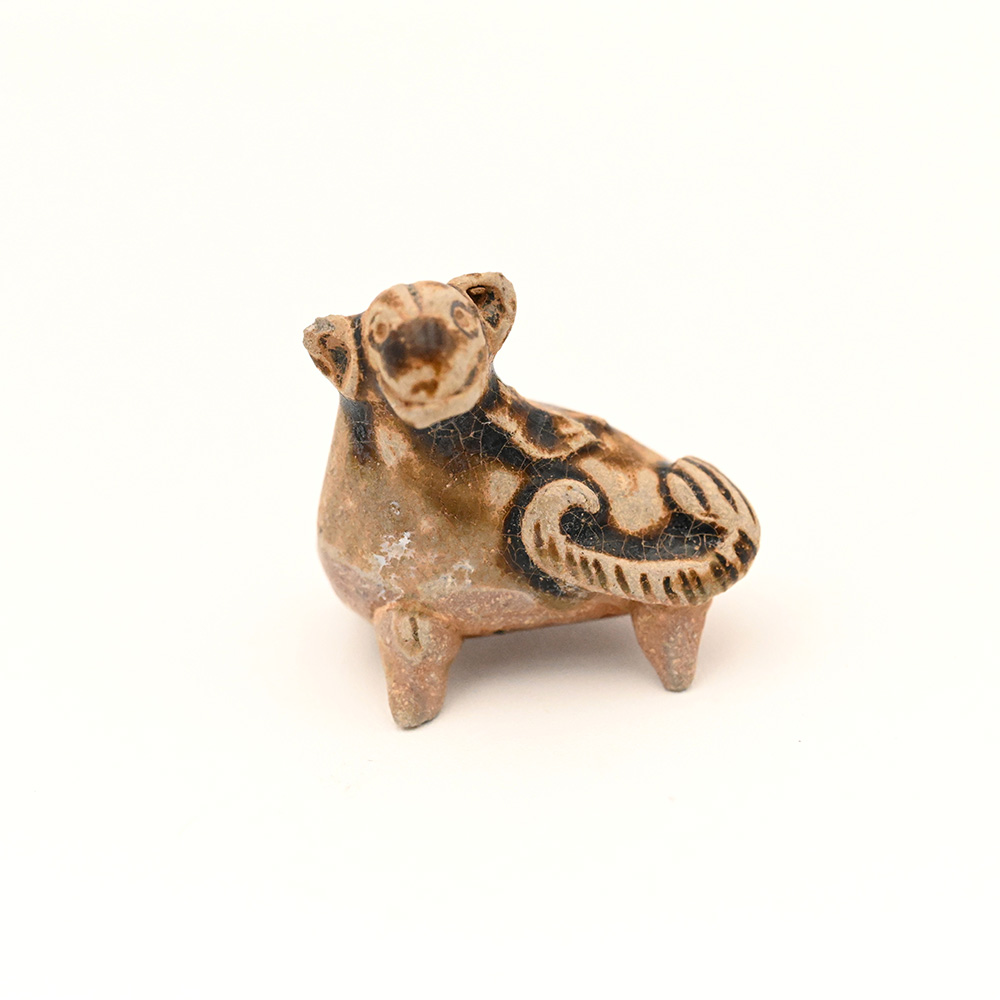
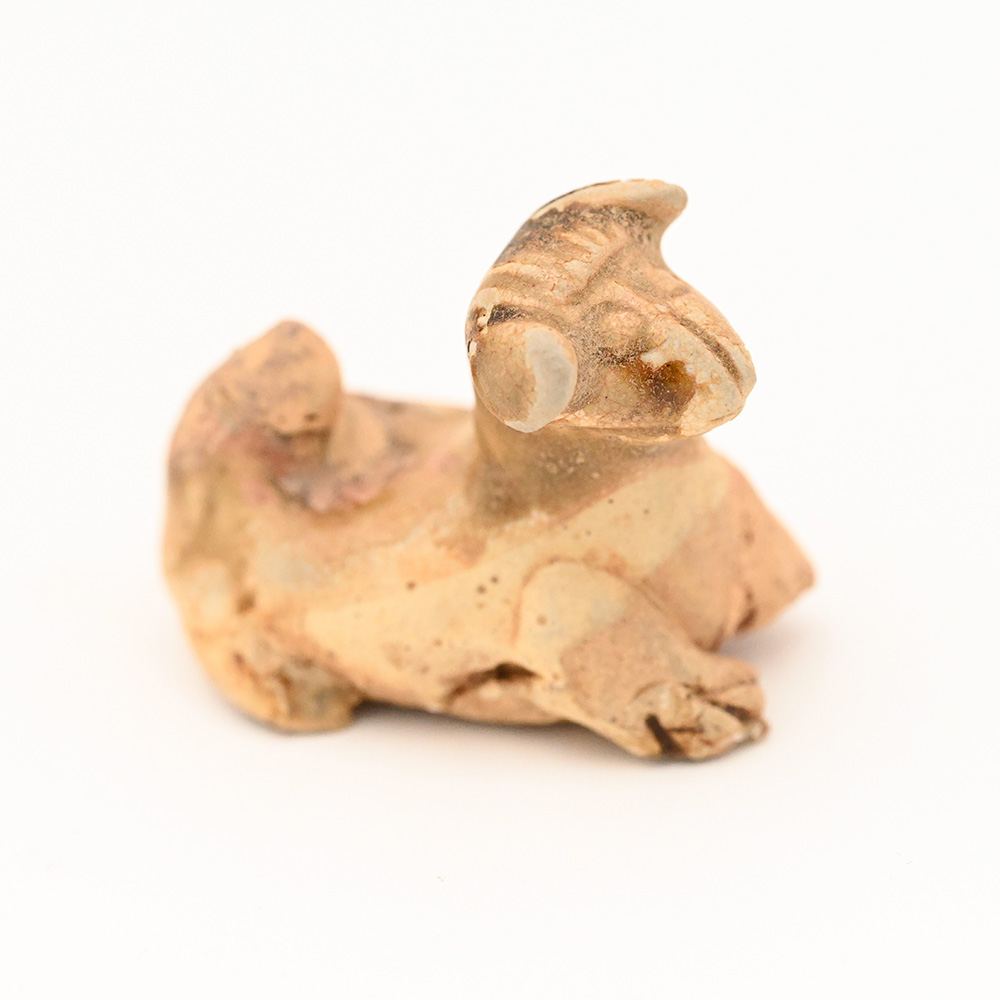
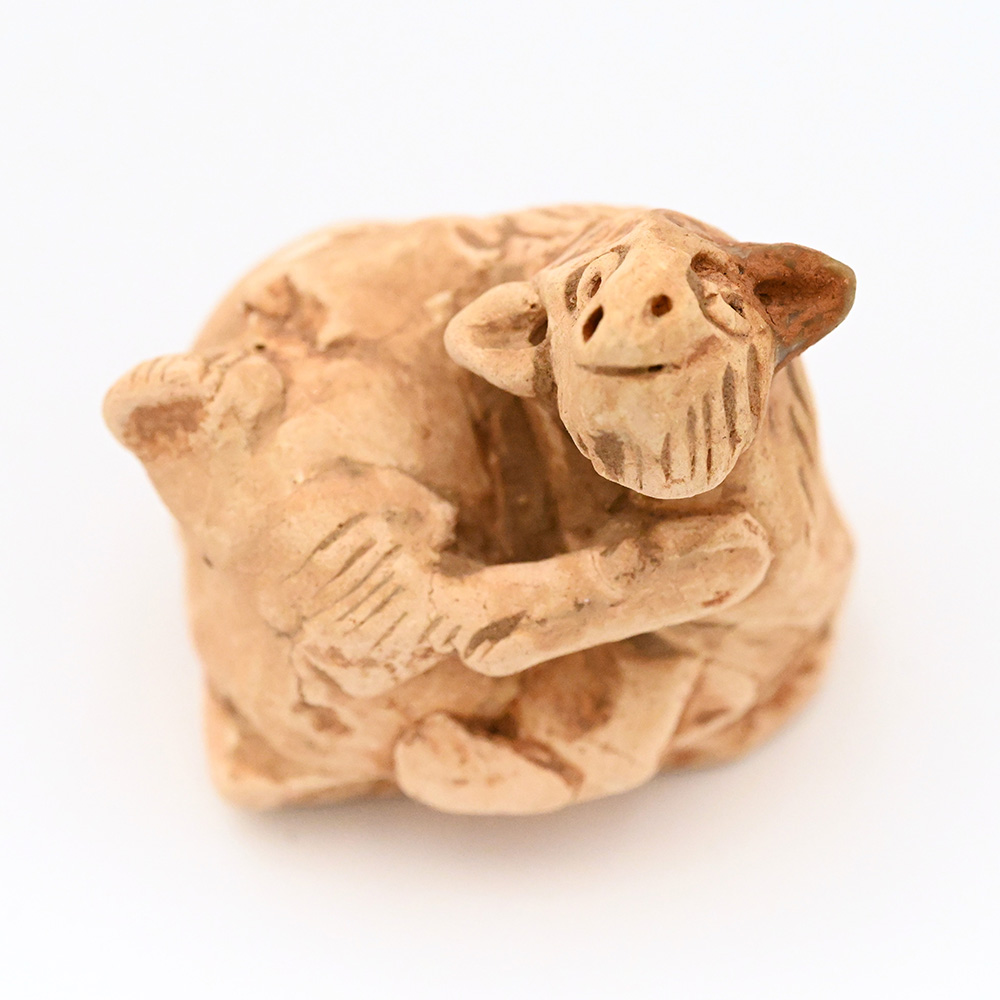
A key source of variation lies in the handmade nature of these toys. Without molds, each piece reflected the artisan’s individual skill, experience, and familiarity with animal forms. Some inconsistencies may also be due to the involvement of children, either as inexperienced apprentices shaping the toys or as their intended users, which could influence both the quality and design of the figurines.
In addition to unintentional flaws, intentional stylization played a role. Changsha Ware often blended skillfulness with deliberate clumsiness, exaggerating key features while omitting minor ones. This stylistic approach sometimes resulted in compact forms with simplified anatomy, which may still have been considered aesthetically valid. On the other hand,
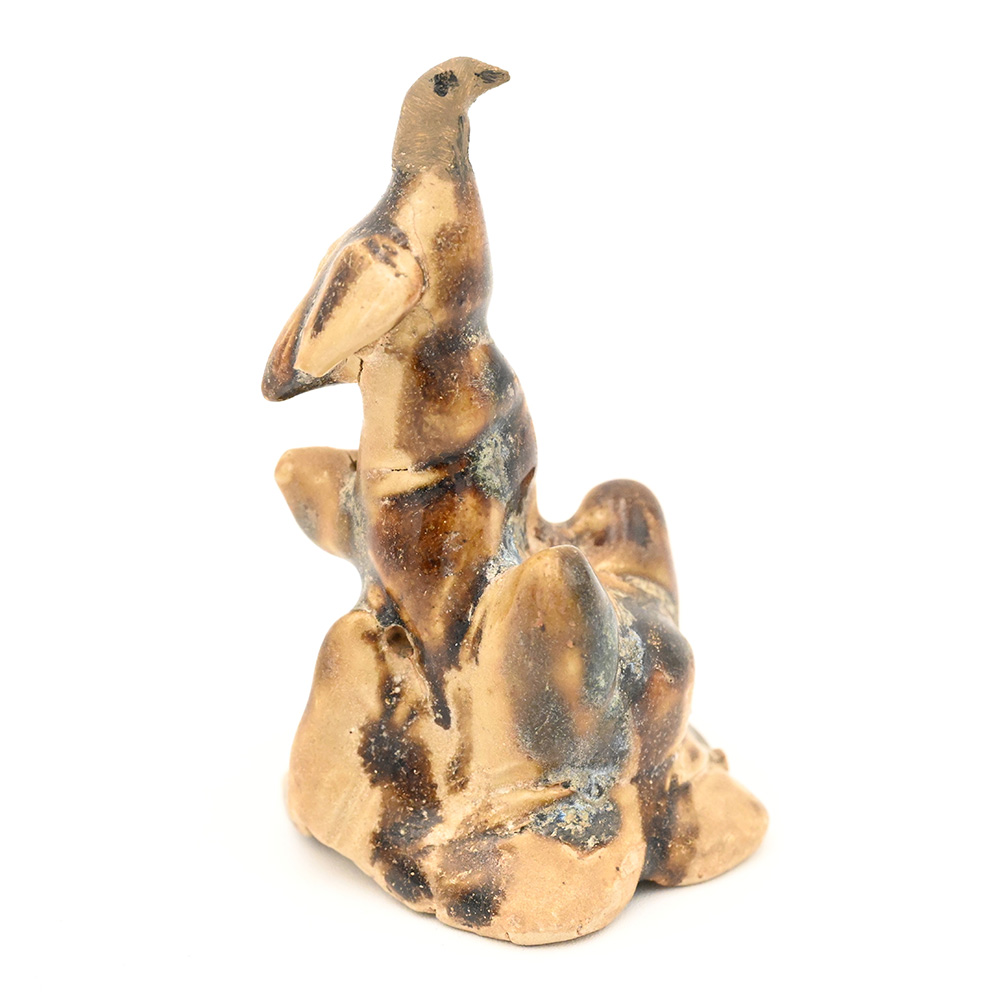
it is likely that an irregularity could be so pronounced that it would reach a perceived threshold of “ugliness” and be discarded by the manufacturer. A figurine (059) shaped like a goat, sheep, or perhaps a wild caprine represents an apparent and severe formal irregularity. The back and front limbs are unnaturally positioned, and the upturned head makes it hard to recognize. Unless the awkward pose is what the artist intended?
Beyond aesthetic taste, significant size variations could be meaningful. Unusually small figurines could be due to limited clay, test productions, or demonstrations, rather than the result of outright defects. Together, these factors suggest that formal irregularities were shaped by a mix of subjective aesthetic norms, practical considerations, and individual circumstances surrounding their production.
Explore the Other Sections of this Exhibit