Lion Dogs
Research by Anne-Sterre den Dunnen (‘26)
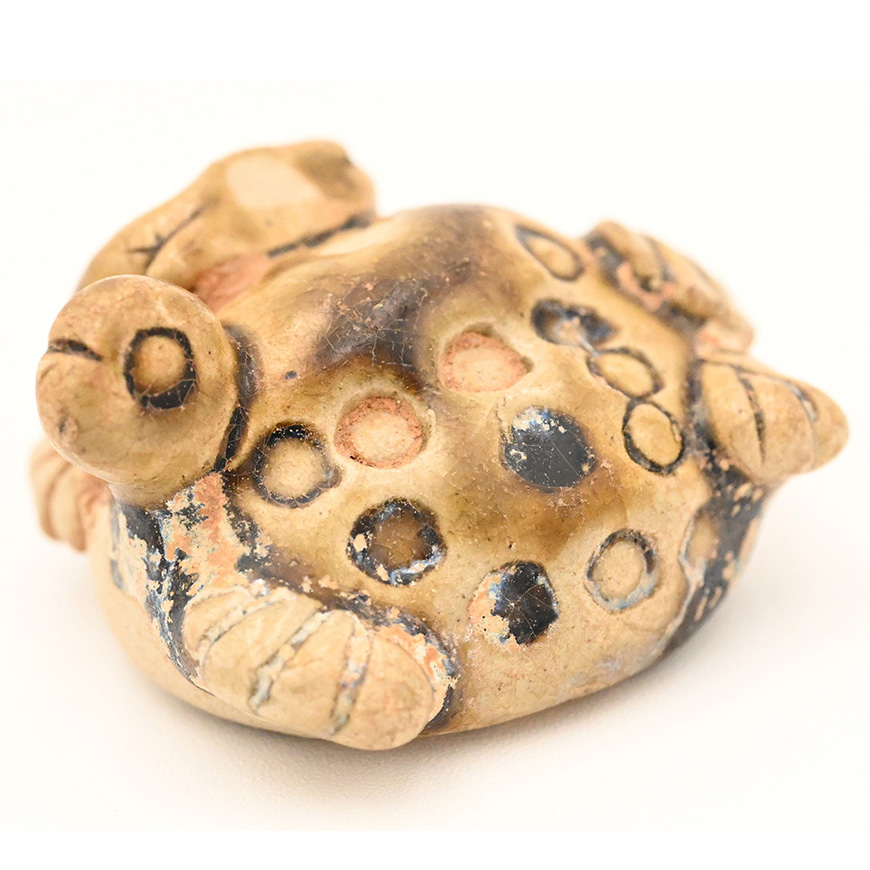
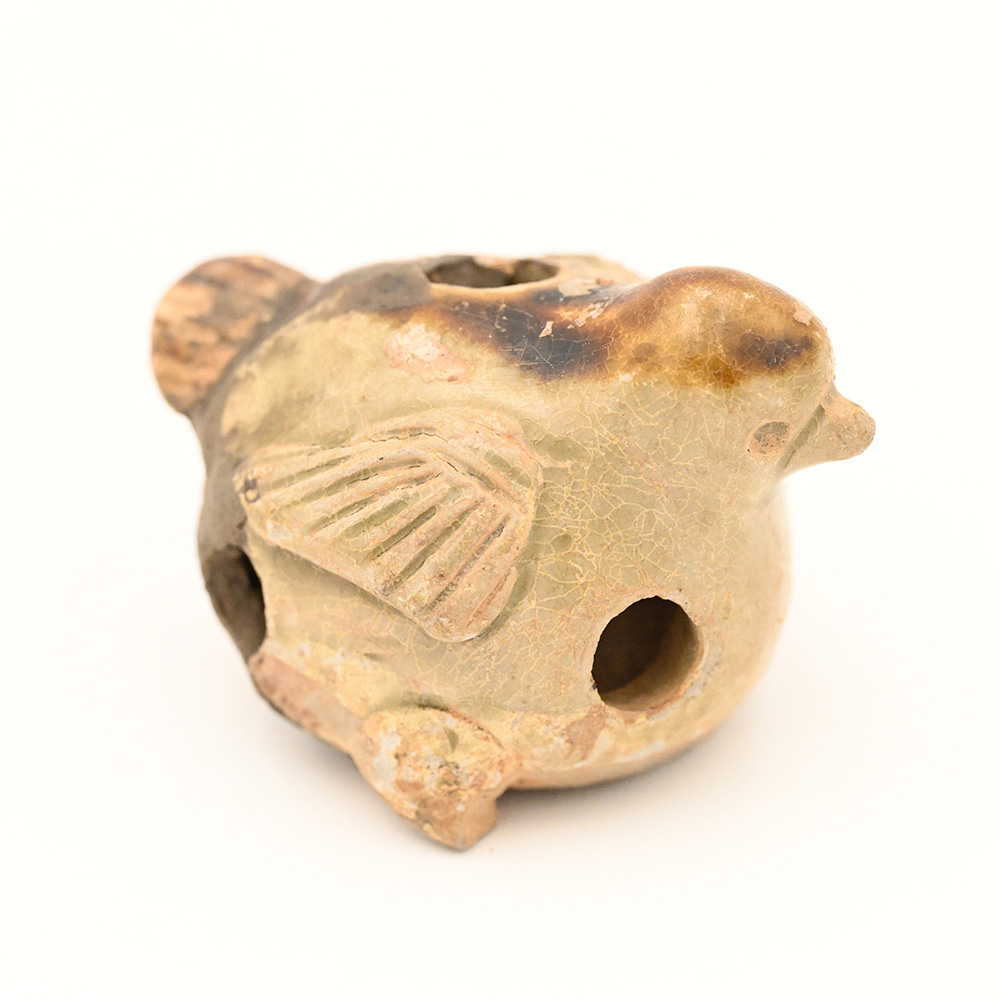
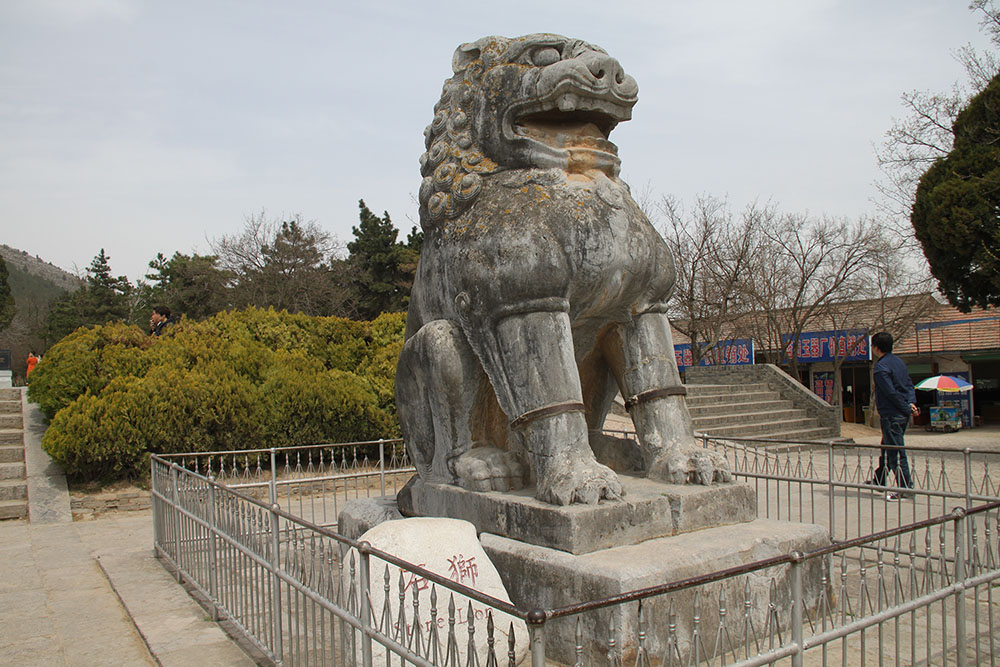
Lion dogs have been an important part of Chinese mythology for over 2000 years. They are represented in stories, paintings, and sculptures—both big and small. Also called fu dogs, these creatures often represent metaphorical qualities from both animals. For example, the lion is an important figure in Buddhism, where they are seen as protectors of those who have reached spiritual enlightenment. Since these creatures are highly revered, I was curious what qualities the artists emphasized in these miniatures. To do this, I compared the range of features in the Lam Museum collection and compared them to the Qianling Mausoleum statue—a large stone sculpture of a lion dog that dates to the same time period.
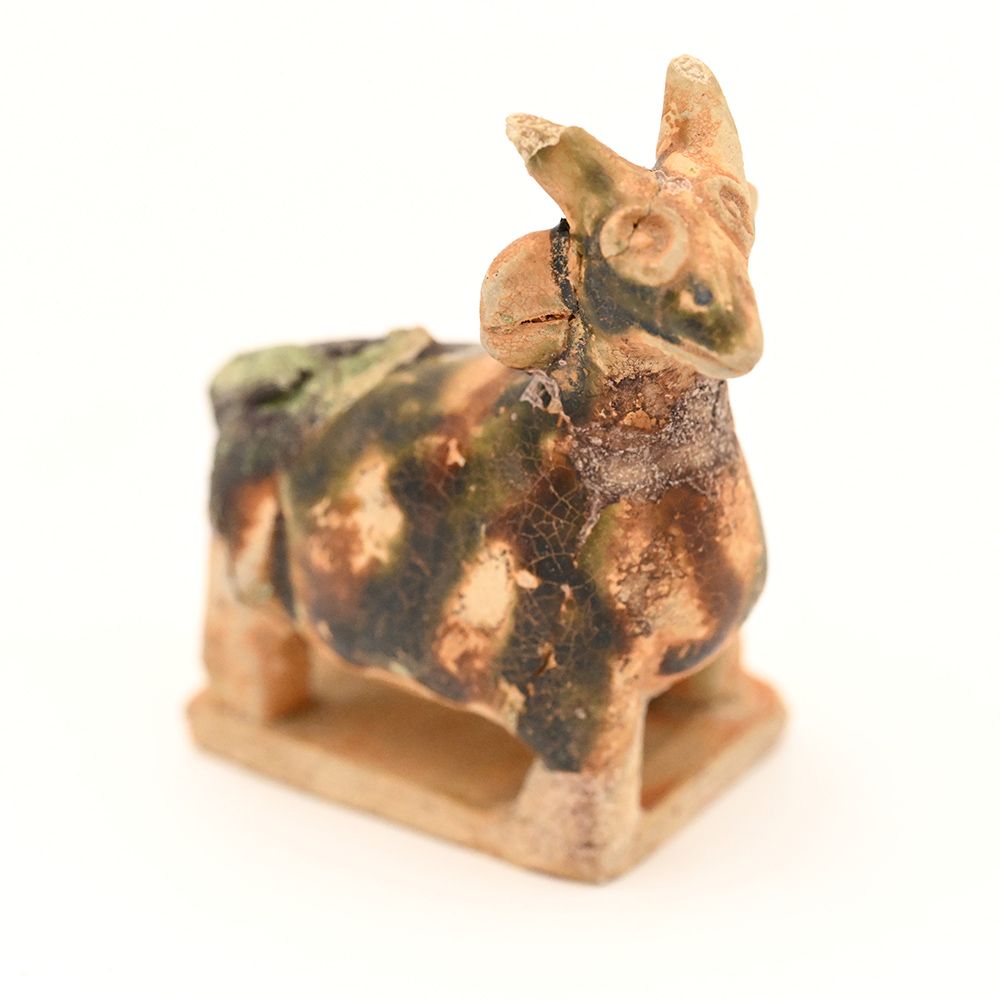
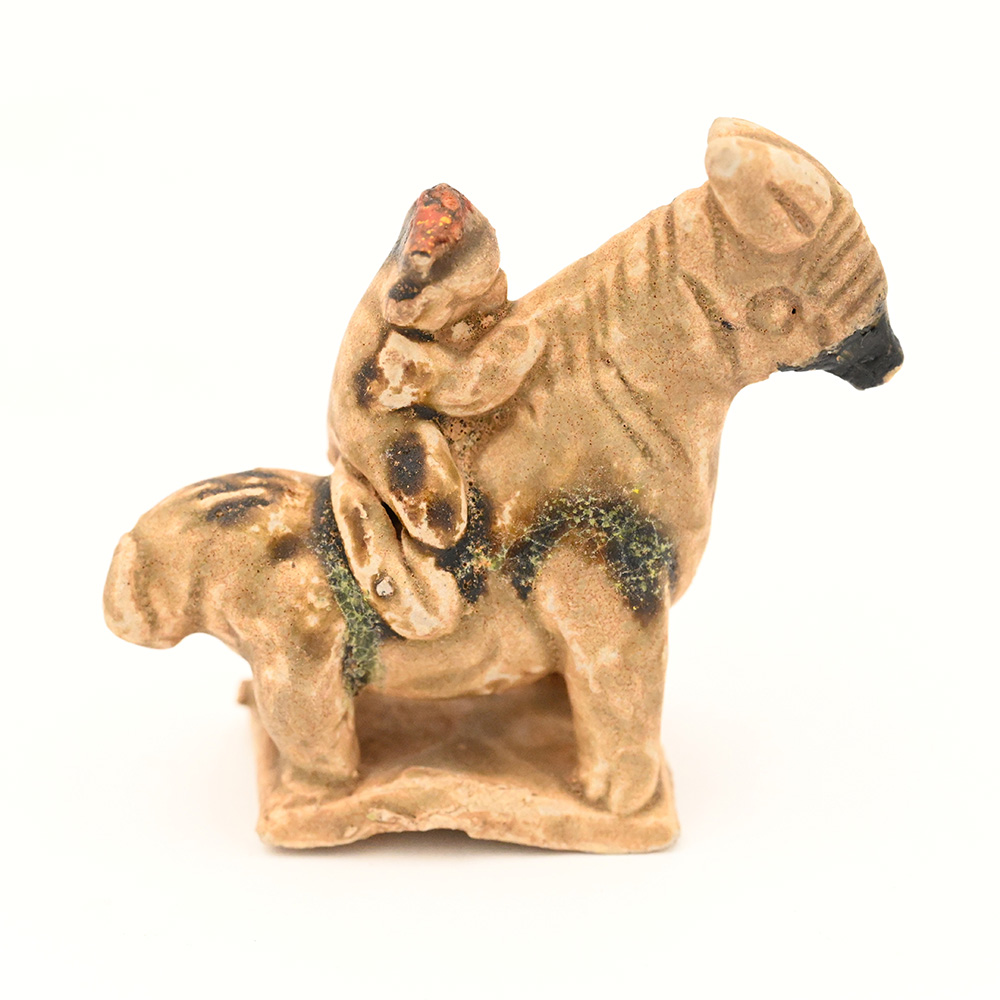
According to Chinese art history, the eyes and the shape of the head are the most important features of a lion dog. This is observable in the Lam Museum figurines. The heads take up a large part of the entire body and are typically very wide.
Deep set brow ridges are significant features in three of the figurines (280, 511, 560). Two more figurines (073, 419) also have emphasized eyes, but it is the orbits that are enlarged. Interestingly, these are also the figurines with the most exaggerated expressions. The last figurine (454) has none of these characteristics, though it is possible the head was damaged and it would also have had a prominent brow ridge. If you compare that to the Qianling statue, it is clear that a key feature of the lion dog motif is large, expressive eyes.
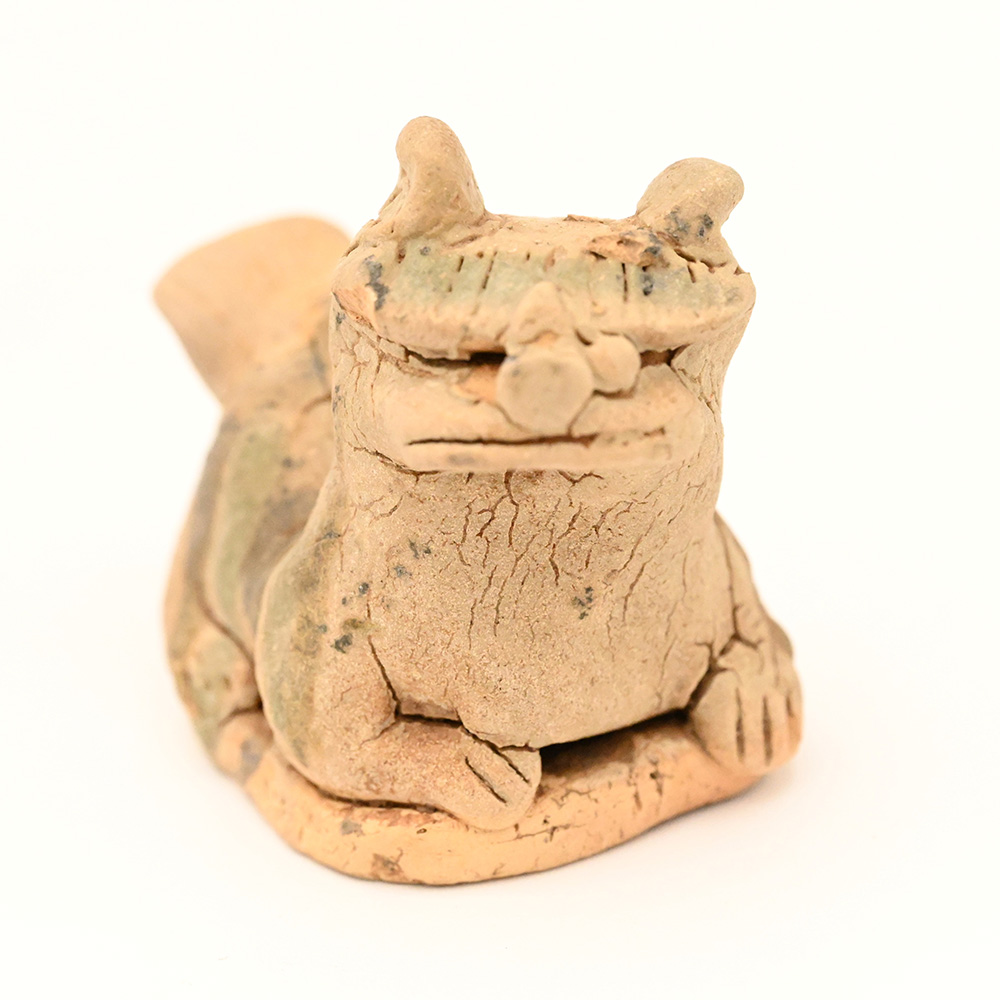
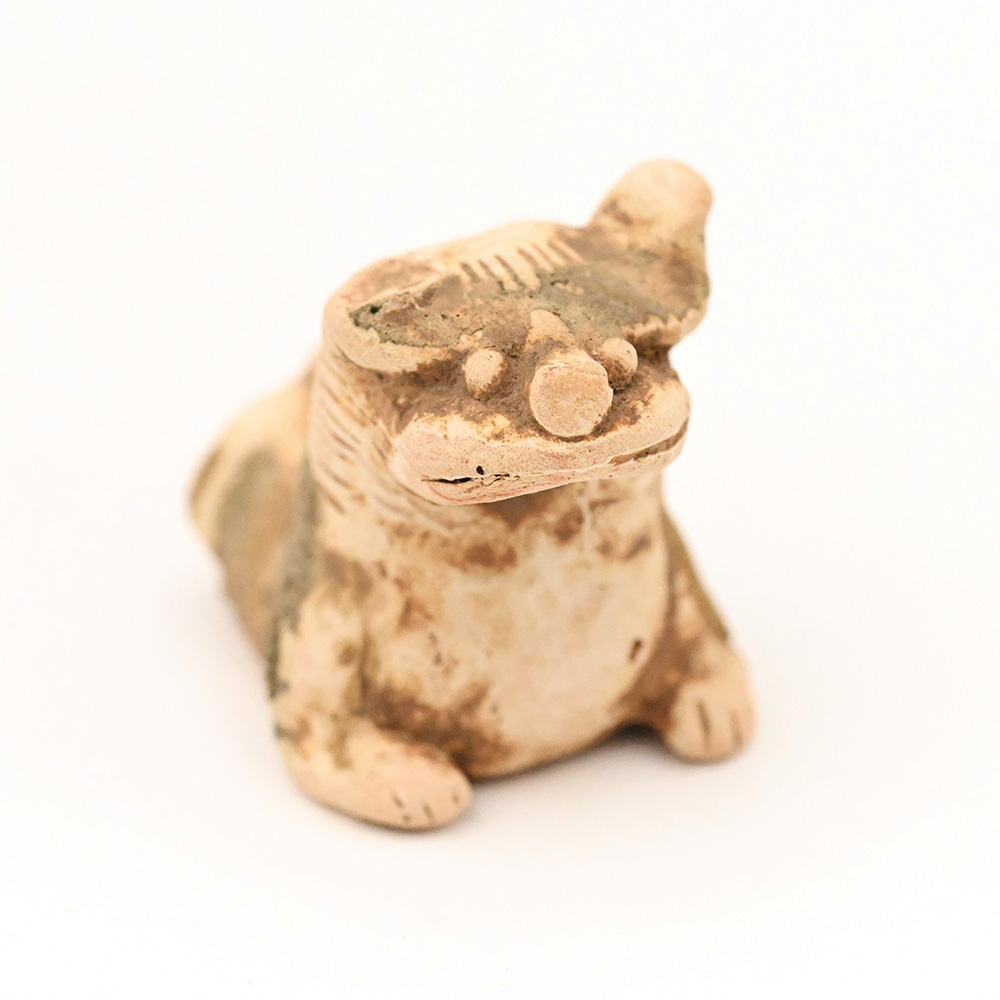
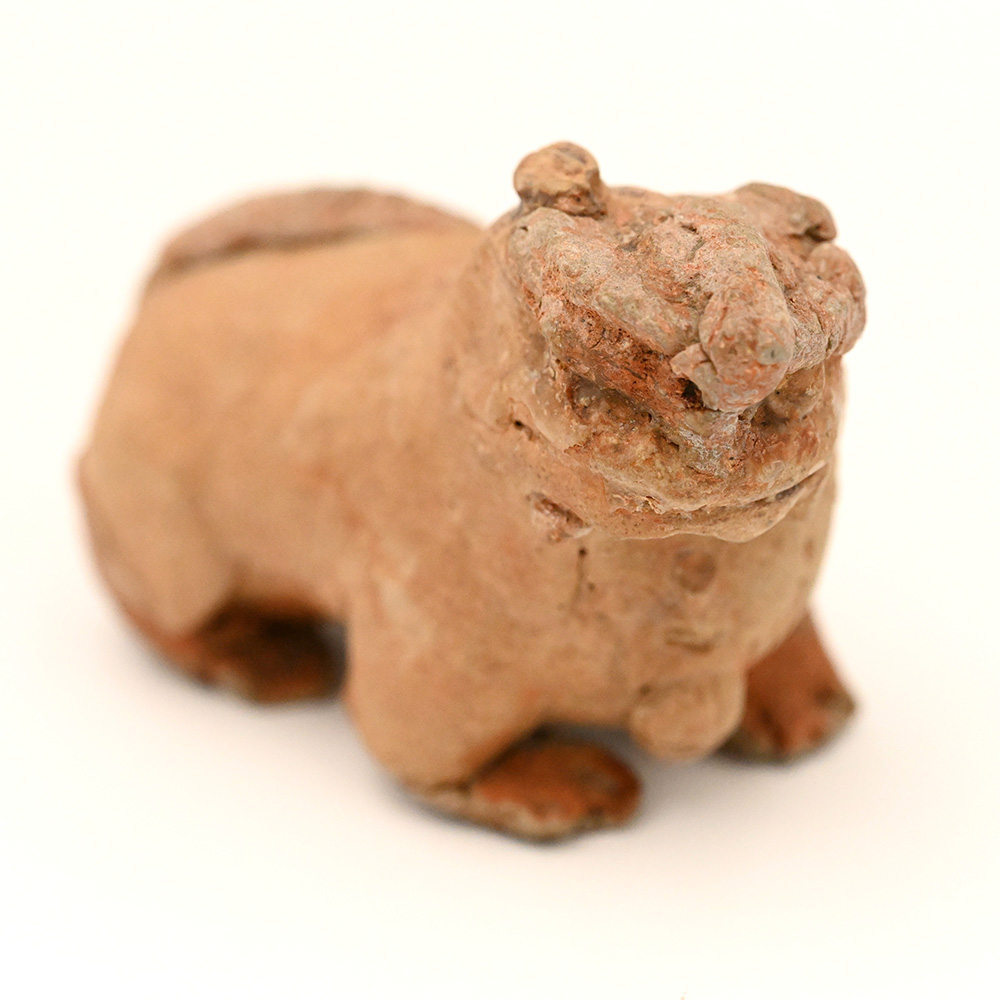
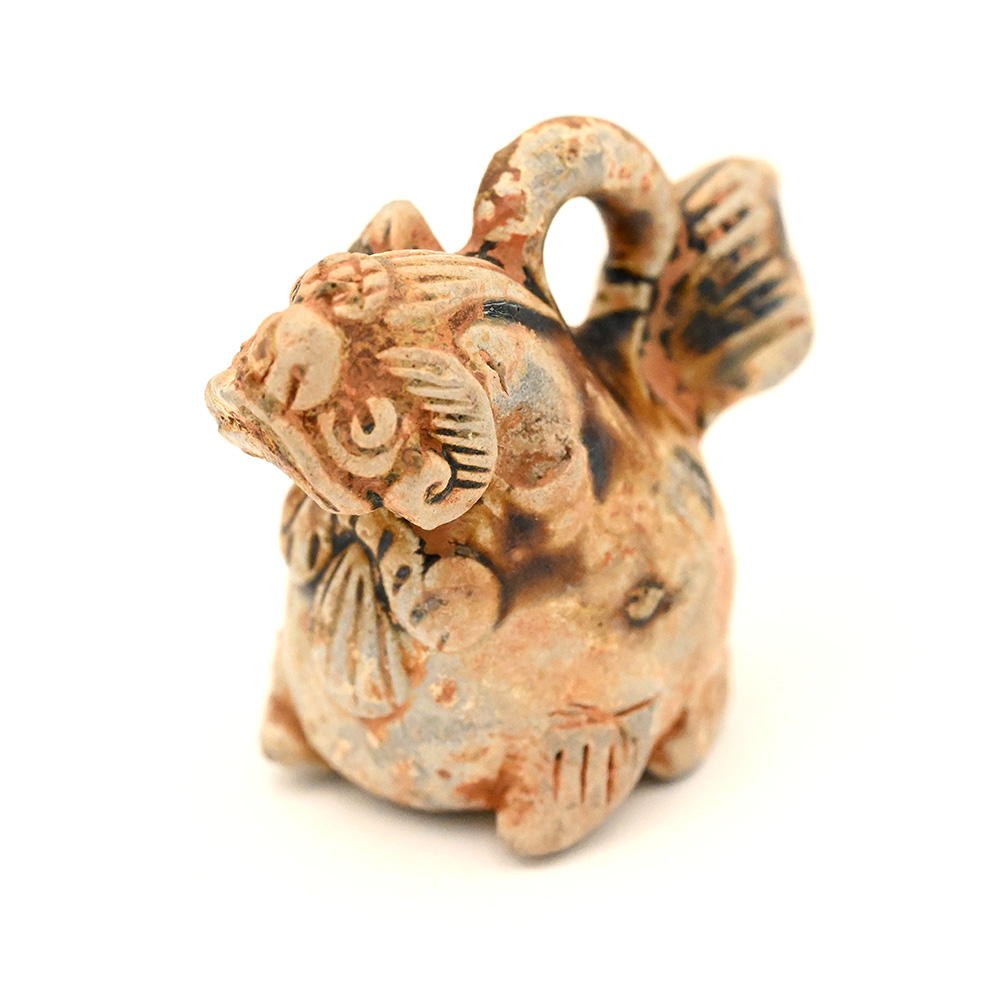
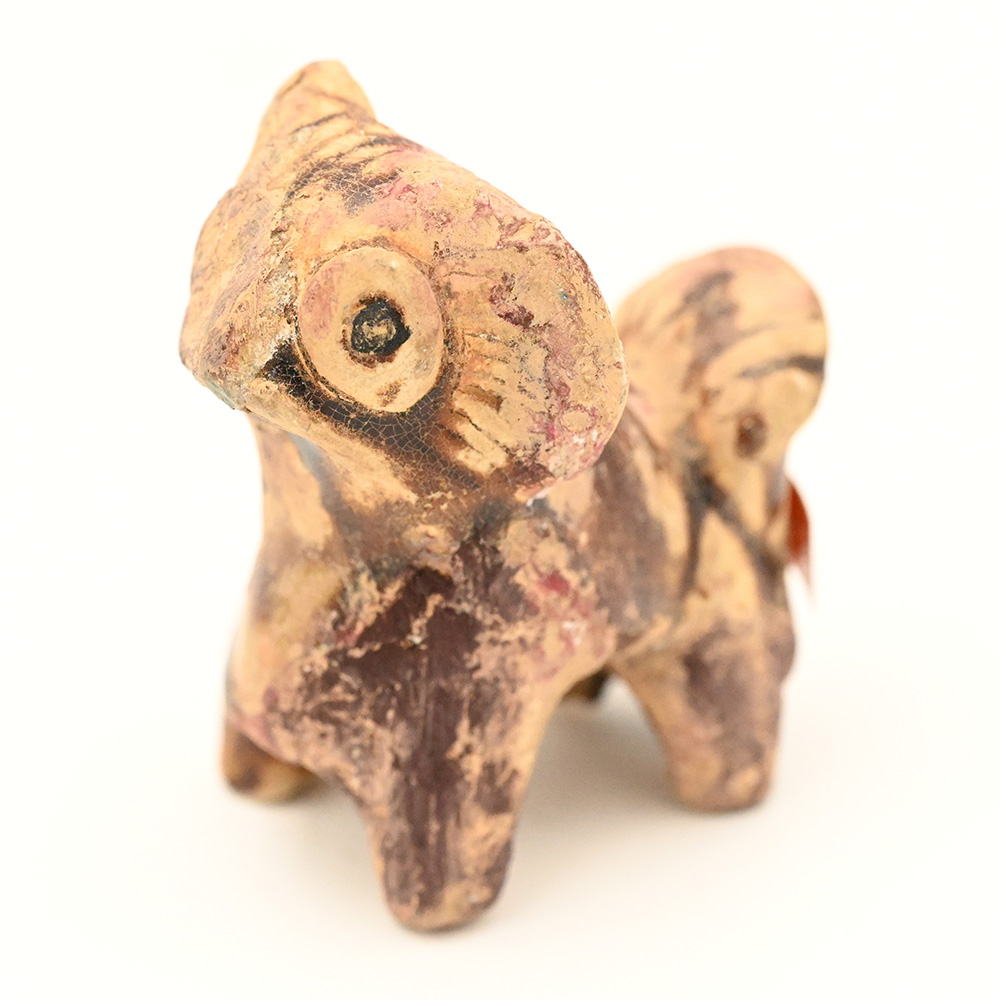
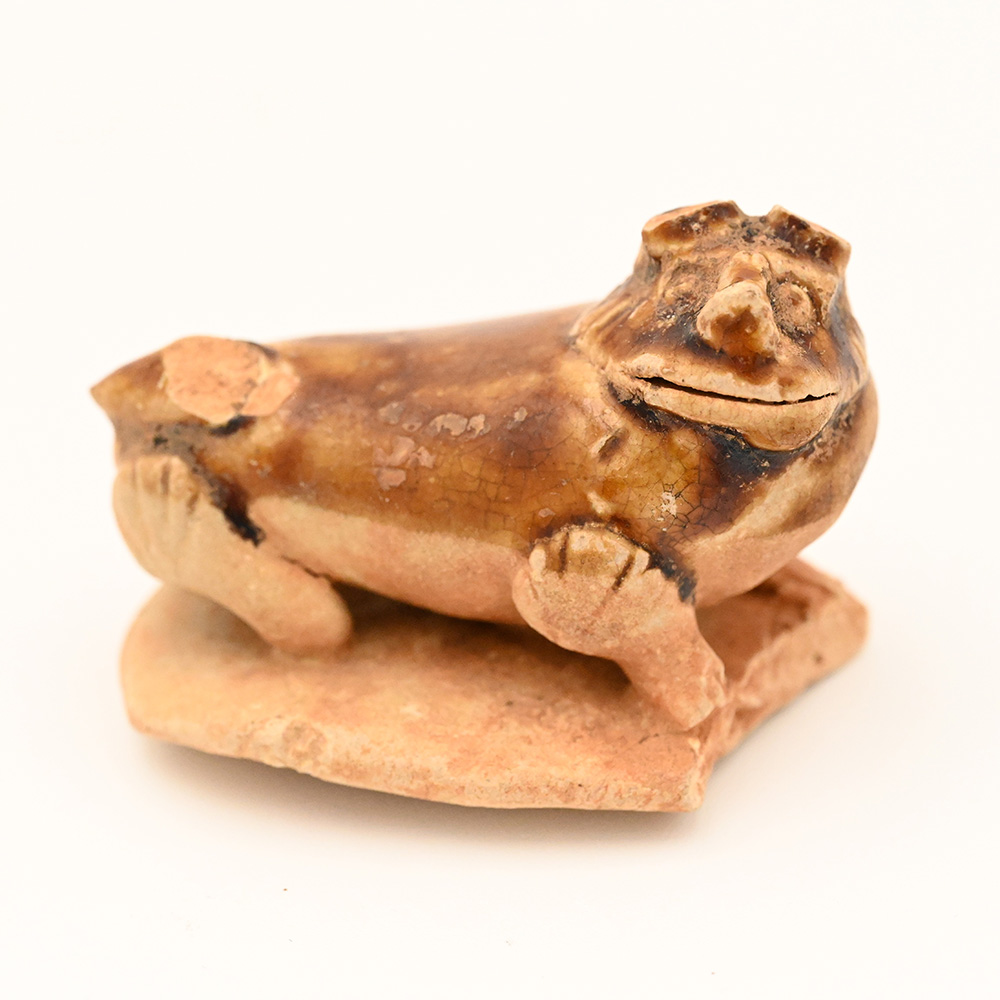
The Qianling statue also has a large mane, as would be expected from a male lion. Though not clear, I propose that the indentations on the sides of five of the figurines are representative of this mane. However, it is not certain that these patterns even reflect fur. The Changsha lion dogs also have bird-like tails—could these patterns indicate feathers?
Explore the Other Sections of this Exhibit