Goats
Research by Nicholas Cox (‘23)
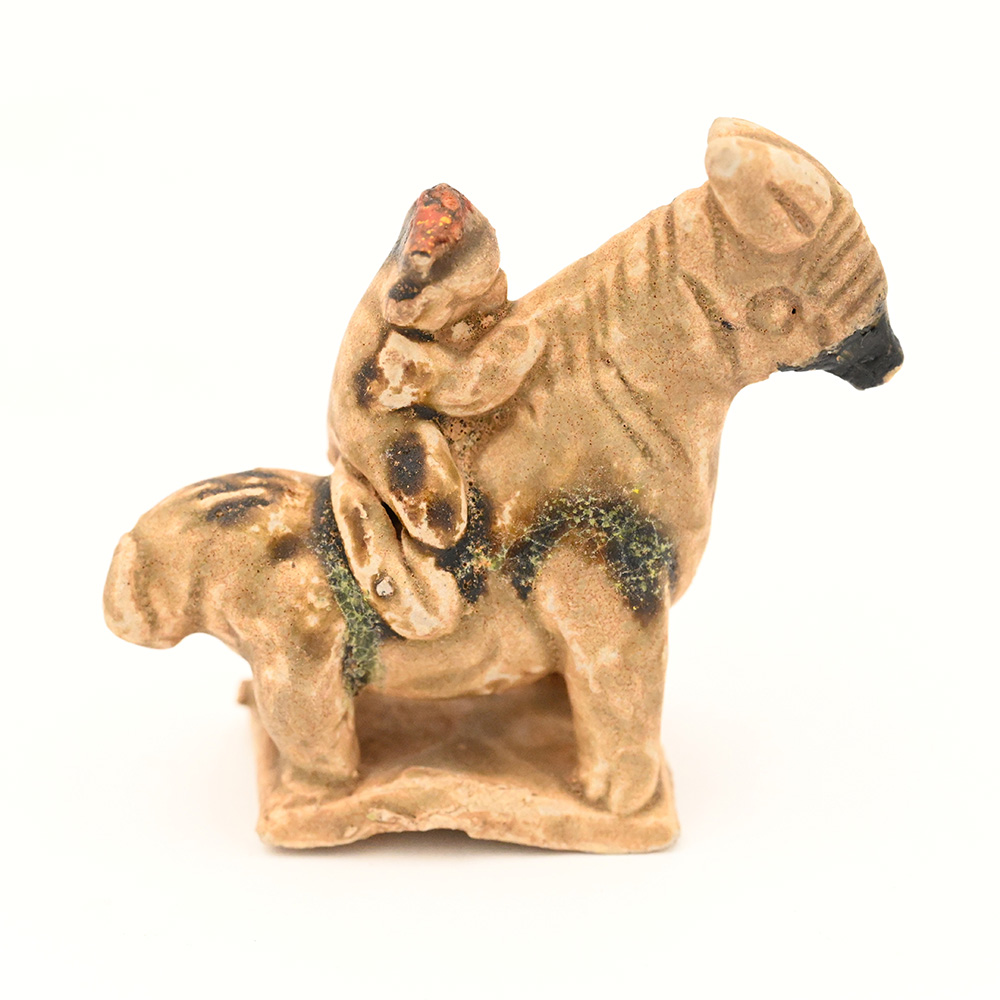
I analyzed 11 figurines to determine the “ideal goat.” Like the rest of the Changsha Ware collection, these goat figurines were thrown away into waste pits. This manner of deposition suggests that each artifact has at least one flaw that caused it to be discarded. Not everything about it is flawed, however, so the most commonly represented traits are likely to be what the artist was intending to make. By counting these traits, we can find the ideal.
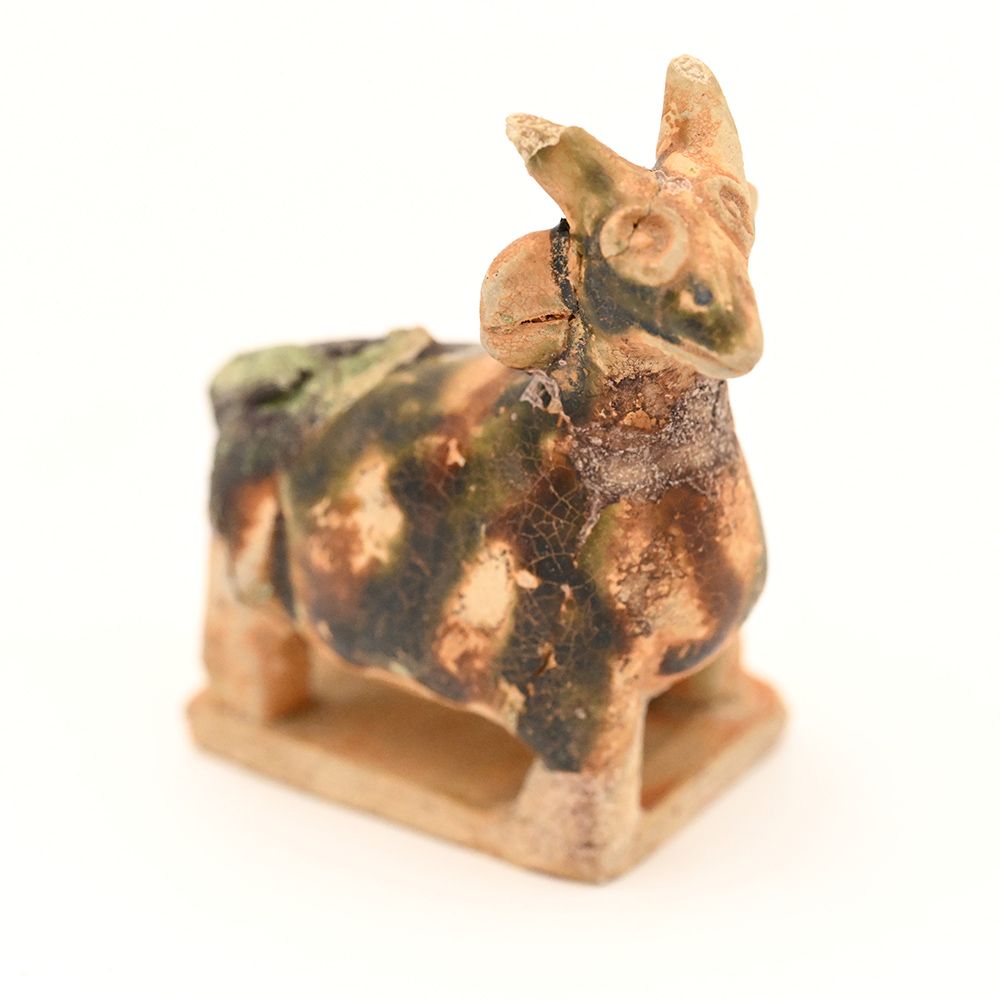
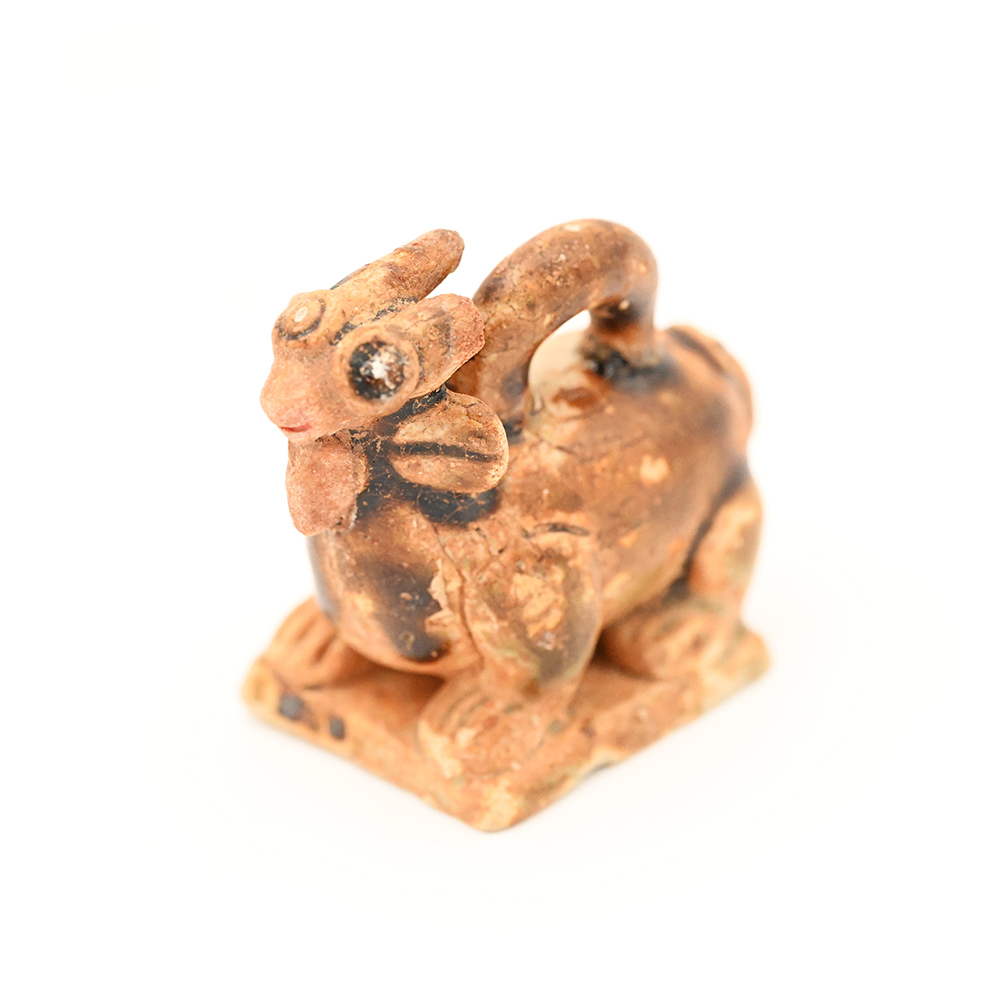
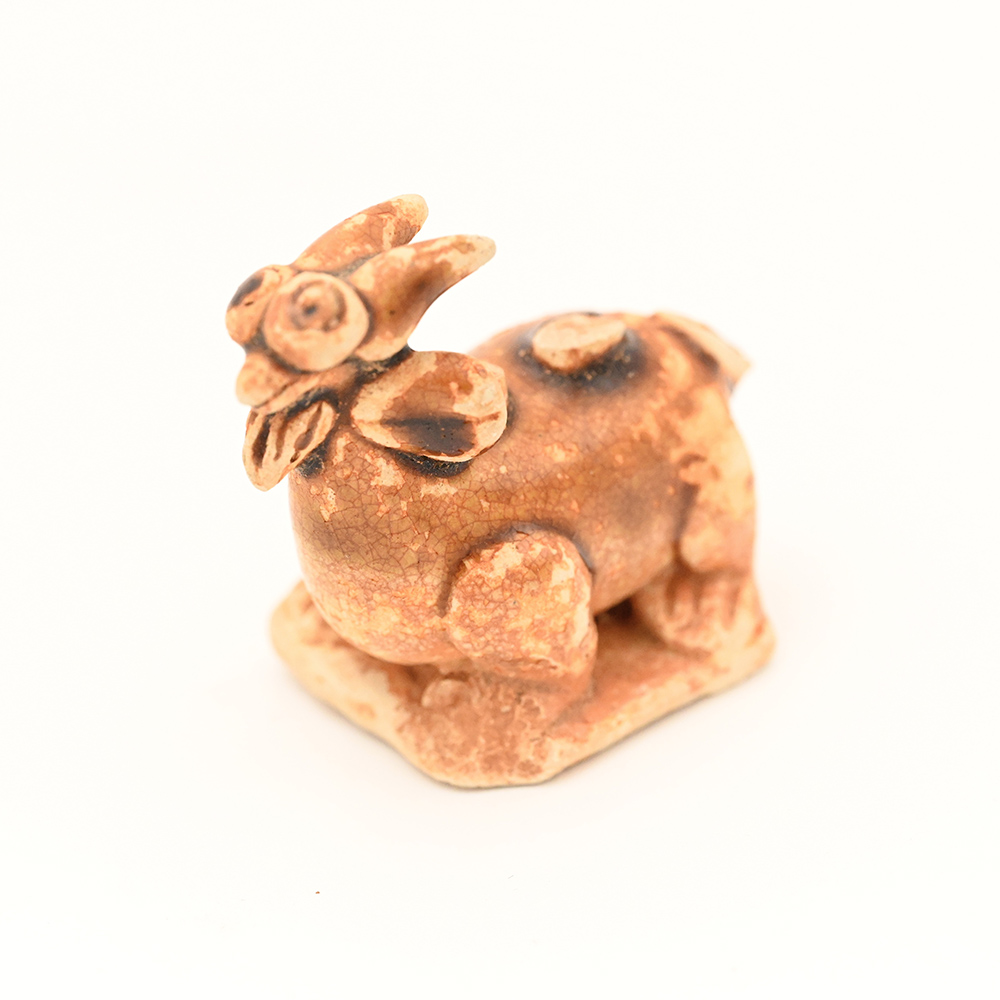
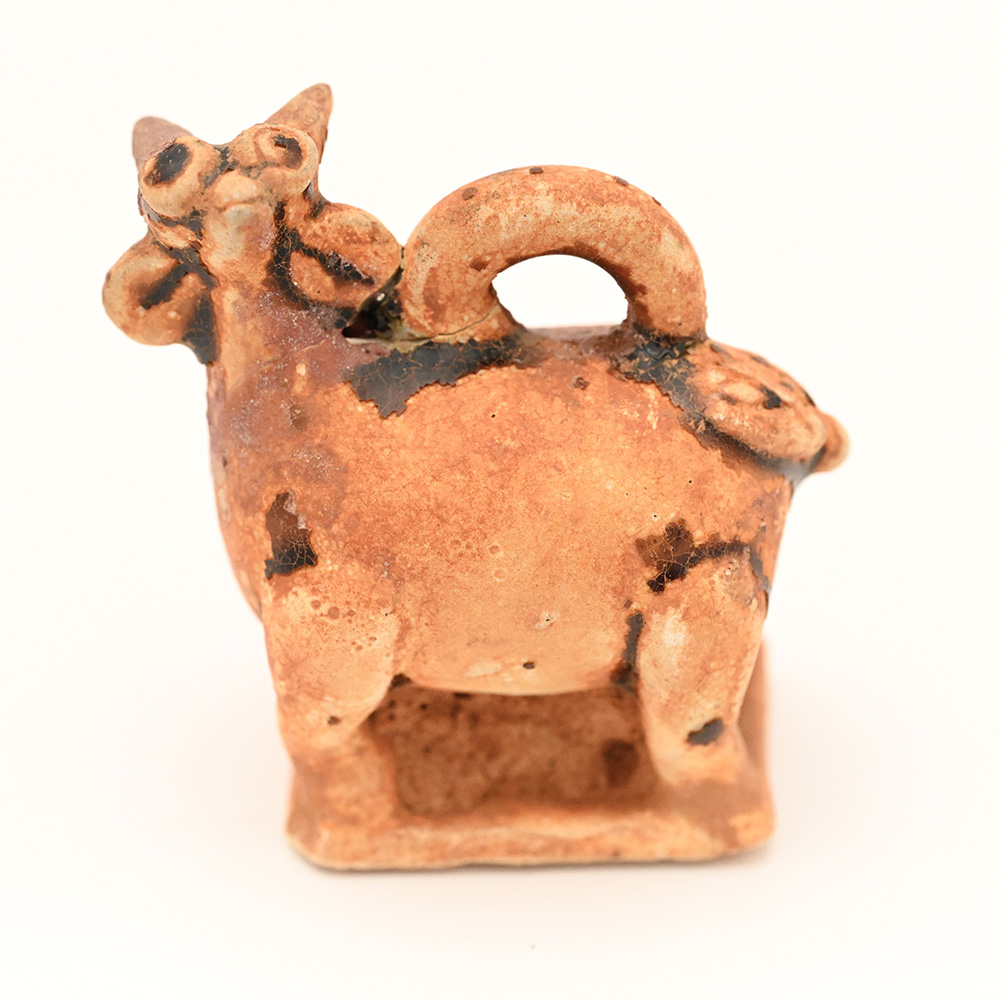
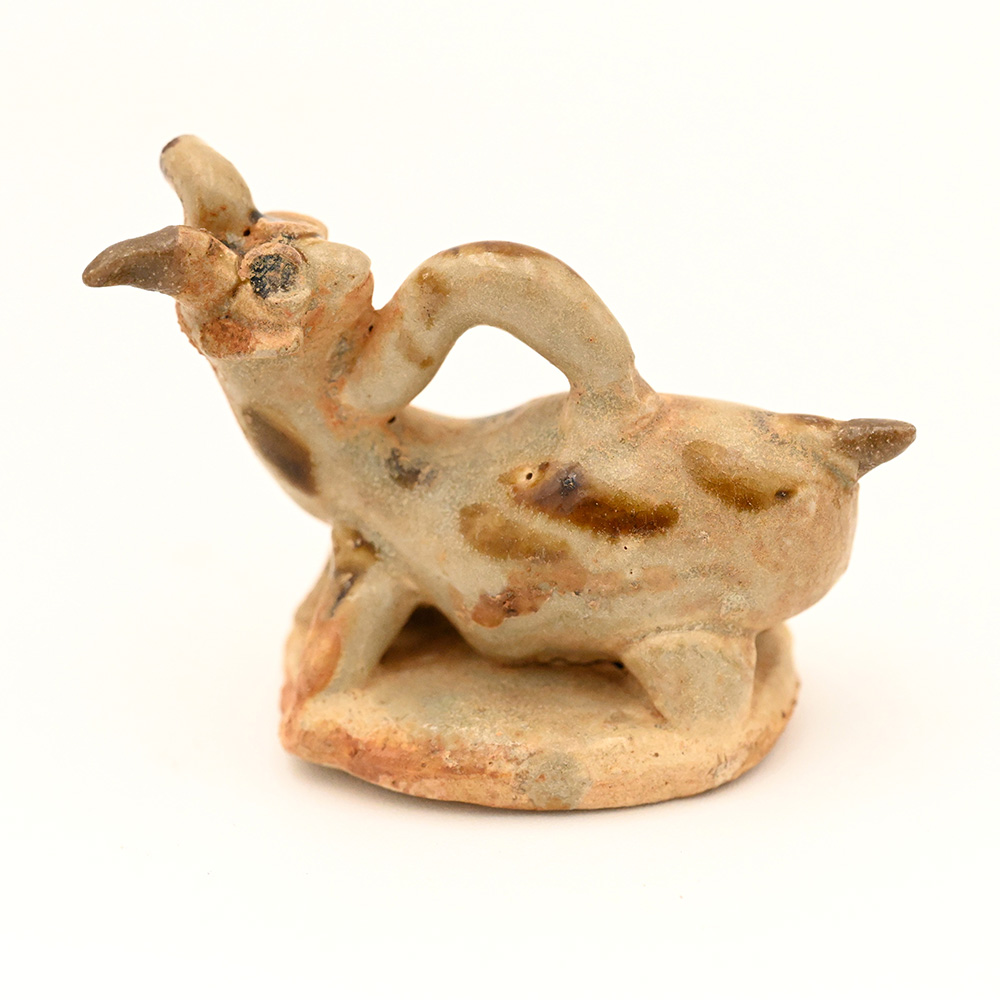
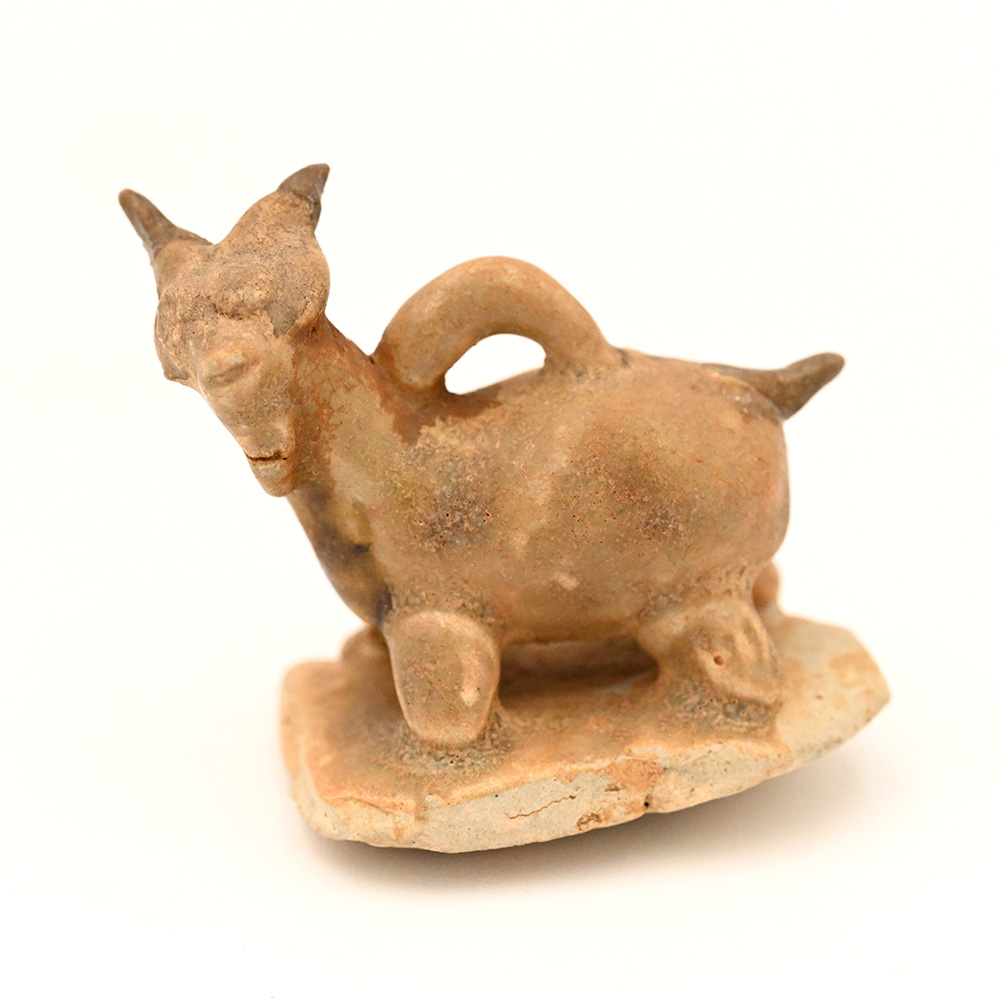
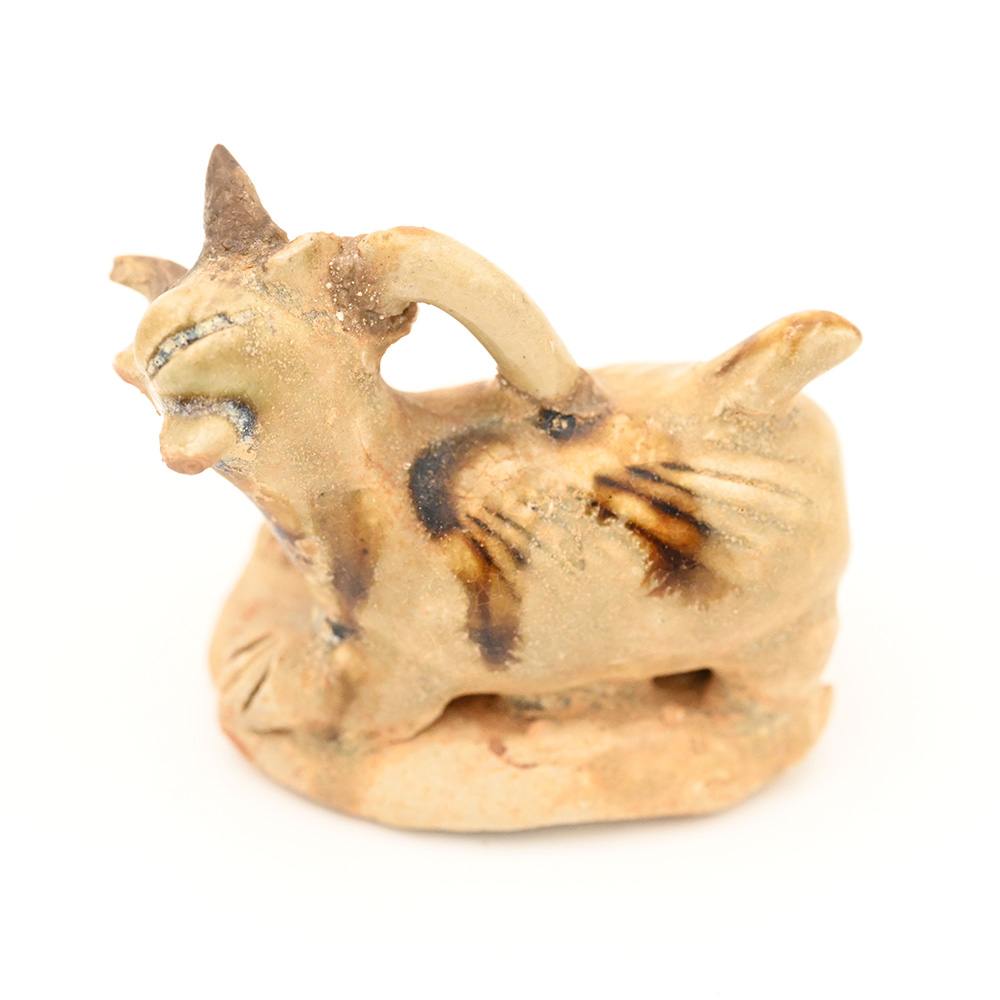
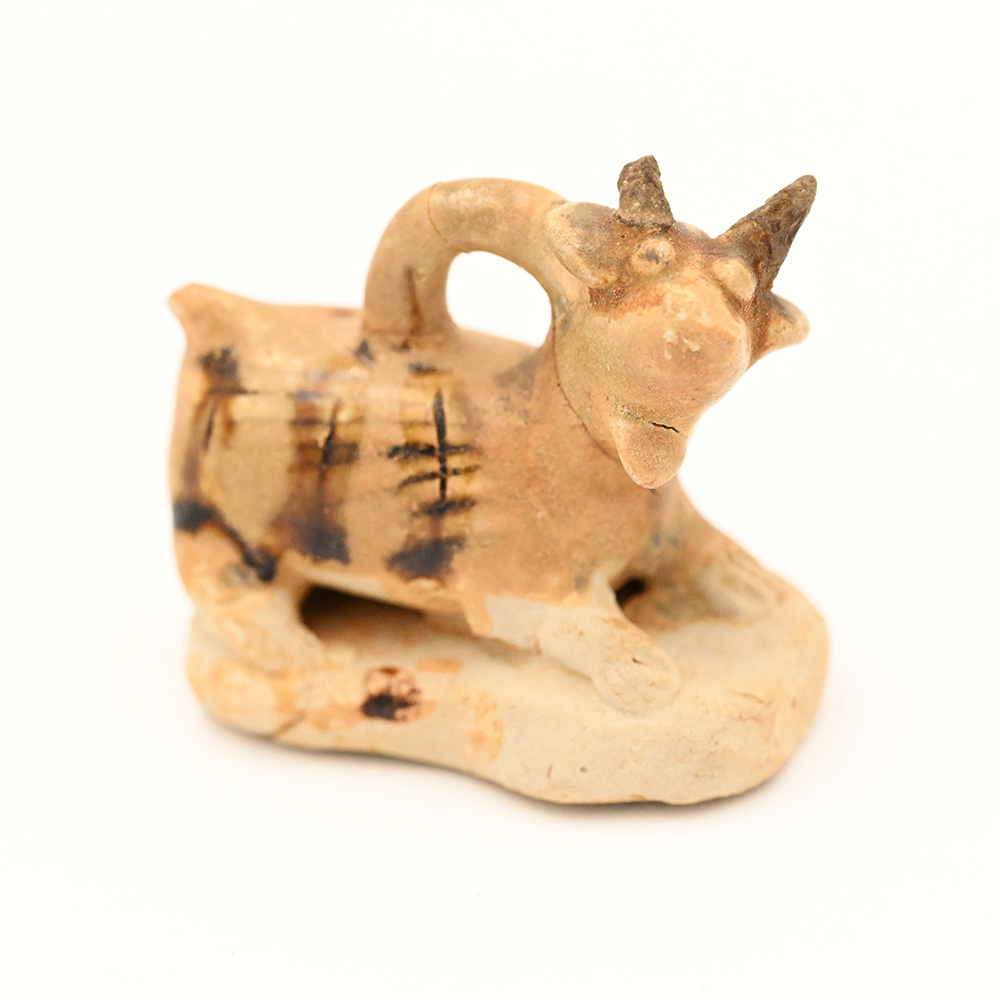
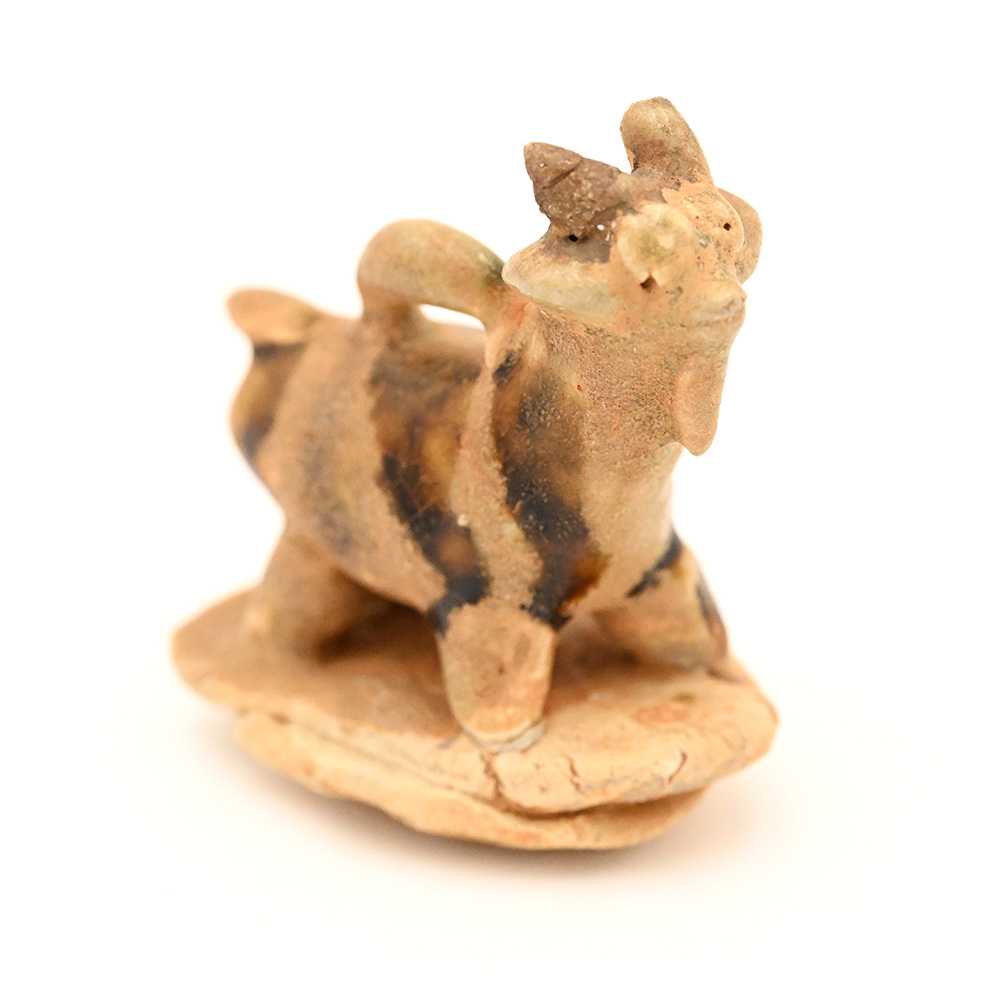
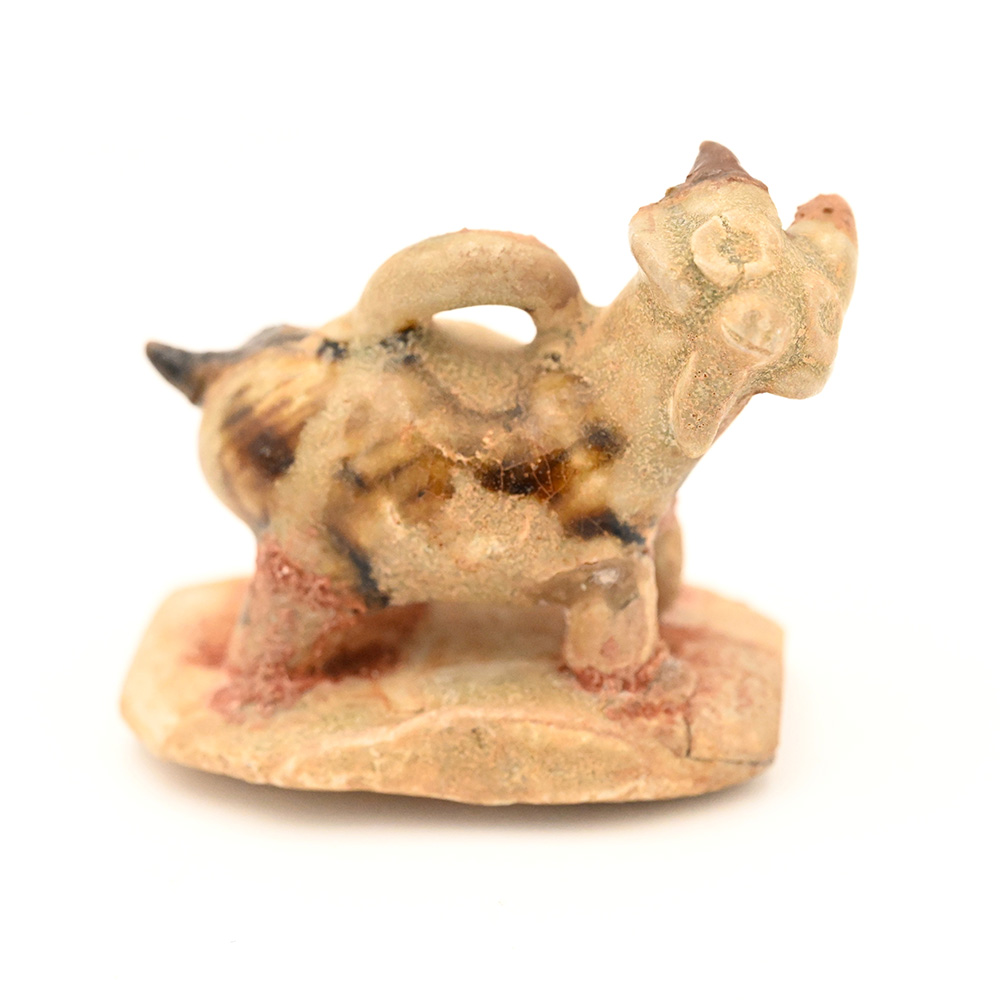
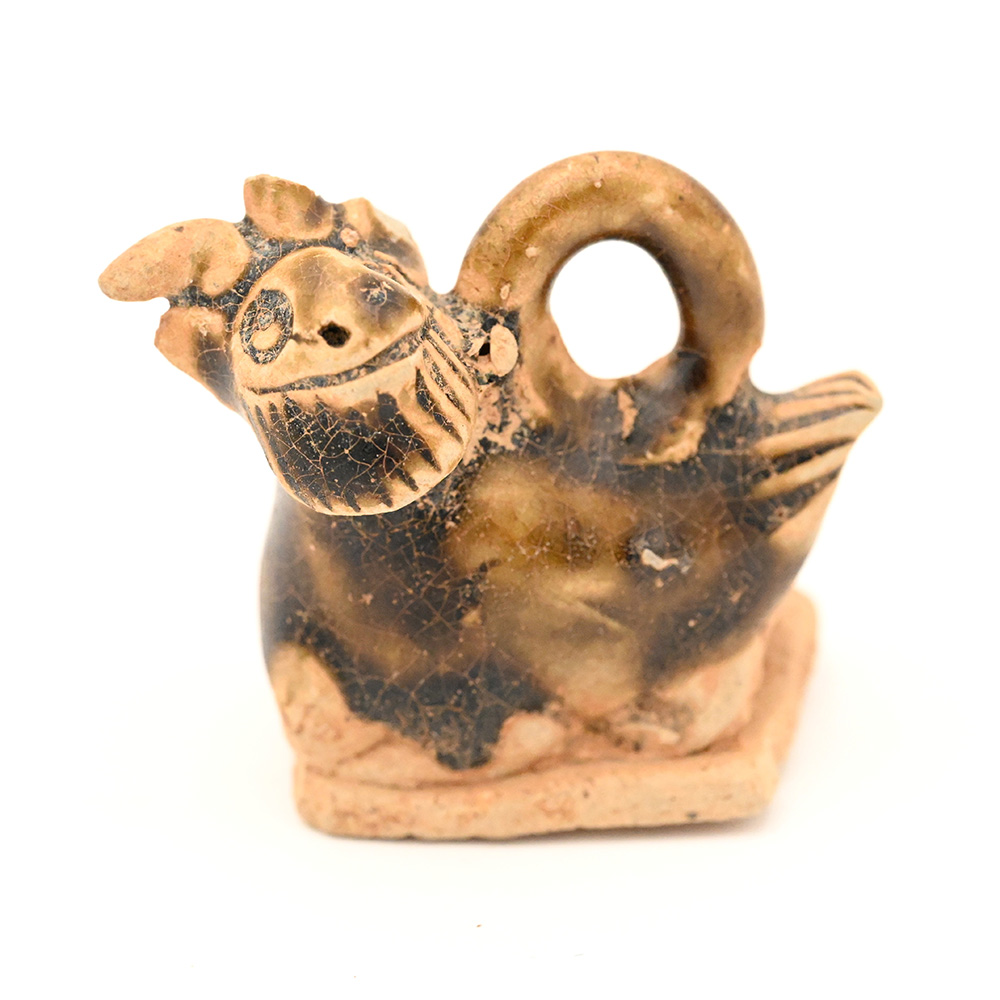
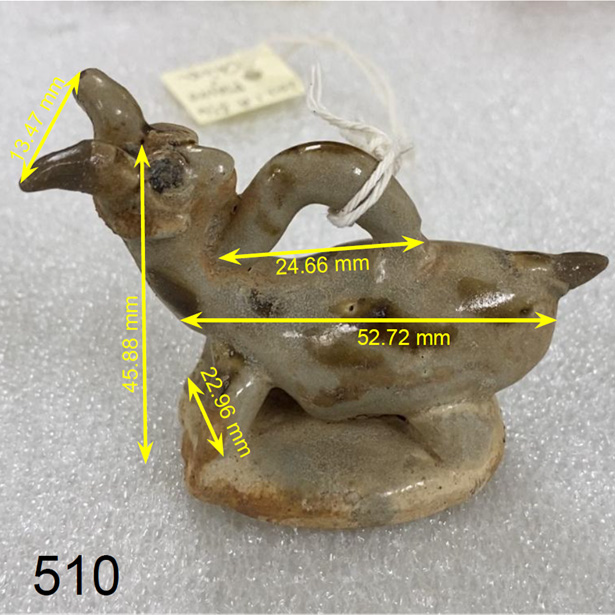
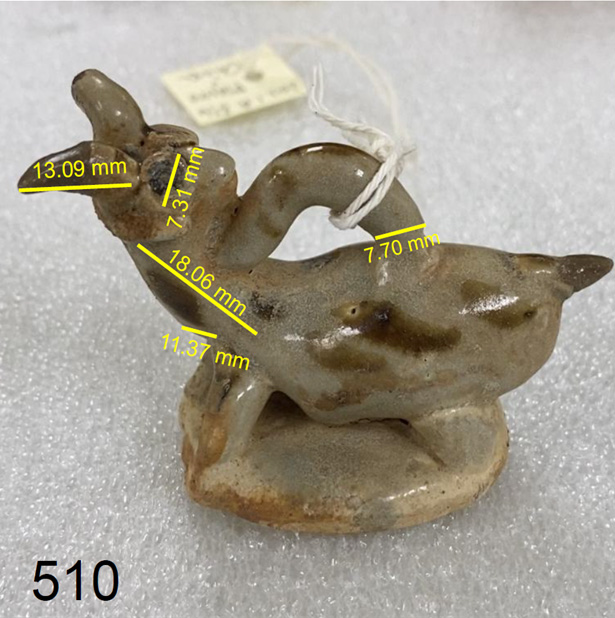
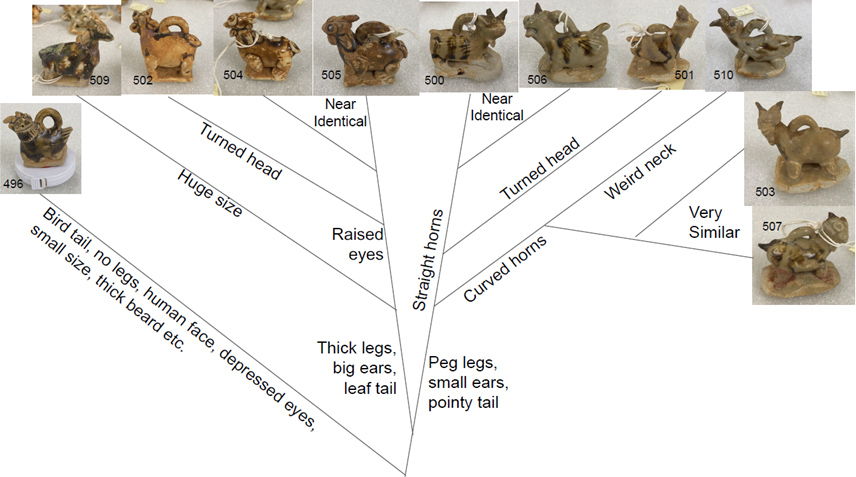
I measured 10 elements of each figurine, and categorized the shapes making up the head and tail. My analysis found that the goat figurines generally fall into two groups that share multiple traits in common, but are easily recognized by their ears. Large-eared goats have huge ears, as well as thick legs with artistic detailing and a flat, leaf-shaped tail. The artifacts numbered 502, 504, 505, and 509 fall into this category. Small-eared goats have smaller ears, but they also differ by having simple, peg legs and a pointy tail. Artifacts 500, 501, 503, 506, 507, and 510 fall into this category. Goats in both groups vary in size and proportion.
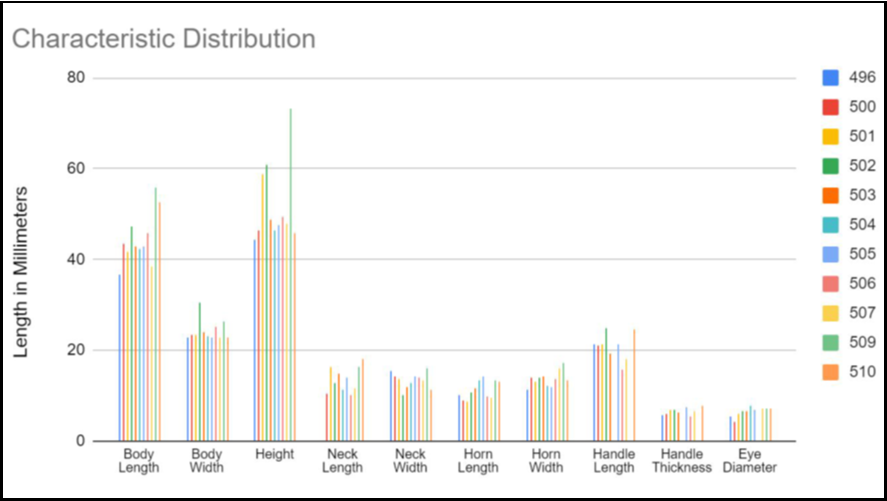
I left artifact 496 out of this categorization process, as it is an extreme outlier in its design elements. Artifact 496 has a bird-like tail, bent legs, a human face with a thick beard, and an unusually small size. I think it may have started out as a bird figurine until someone decided to add on unrelated animal elements. Regardless, this categorization helped me to realize that the goats may have more than one source of inspiration. This is represented in my cladogram, which visually depicts the relationships between the goat figurines based on their physical similarities. The closer any two artifacts are to one another on the tree, the more likely it is that they share a source of inspiration.
Do these differences point to multiple artists, each with their own style? Or, could it be that the differences are meant to reflect different kinds of goats? There were significant differences in traditional goat breeds between northern and southern China—perhaps the Changsha artists were trying to capture these differences through exaggerated stereotypes.
Explore the Other Sections of this Exhibit