Fragments of Changsha: Medieval China in Miniature

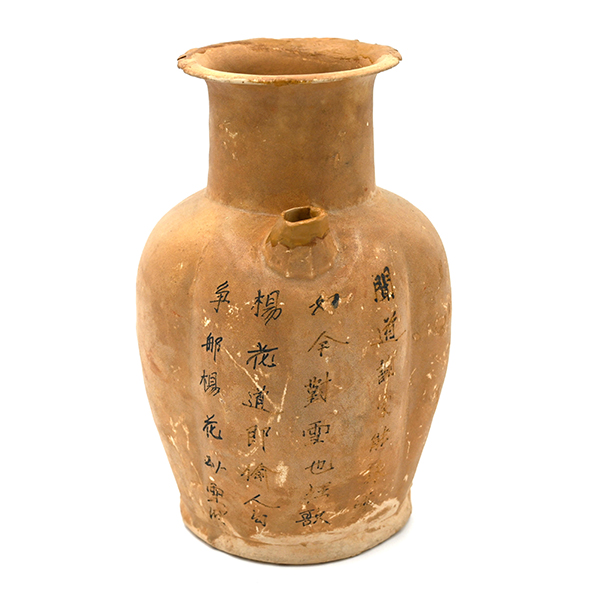
Changsha Ware is a style of Chinese pottery that had a major cultural and commercial impact on the medieval world. Produced from around 750 to 900 CE in kilns near the modern city of Changsha in Hunan Province, the pottery is best known for its vibrant, painted glazes that feature floral patterns, animal motifs, abstract designs, and calligraphy. The unique glazing technology invented by Changsha potters made their ceramics a valuable commodity. At the same time, the growth of Silk Roads trade across Asia, Africa, and Europe meant that Changsha Ware found interested buyers throughout the world. Archaeologists have discovered Changsha Ware artifacts in Japan, Indonesia, India, Iran, Kenya, and Madagascar—showing their global popularity.
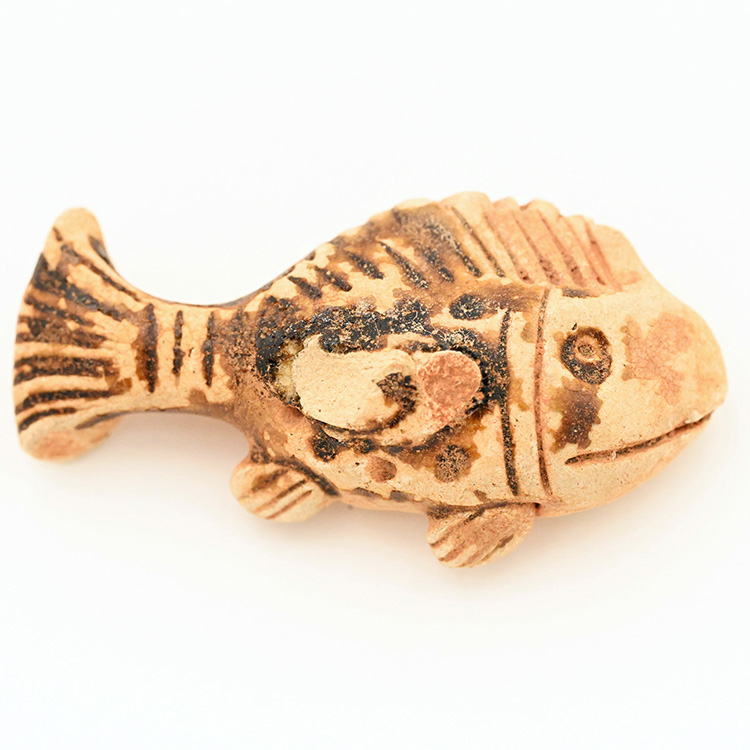
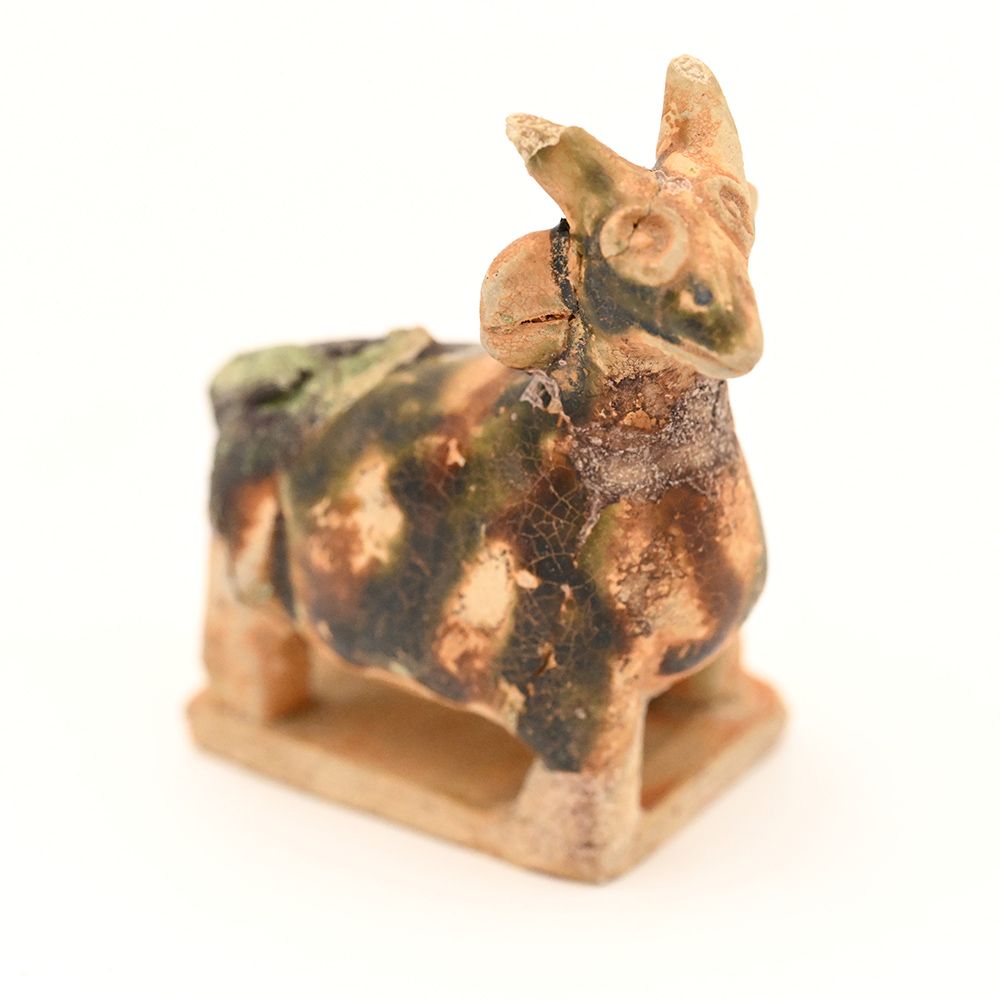
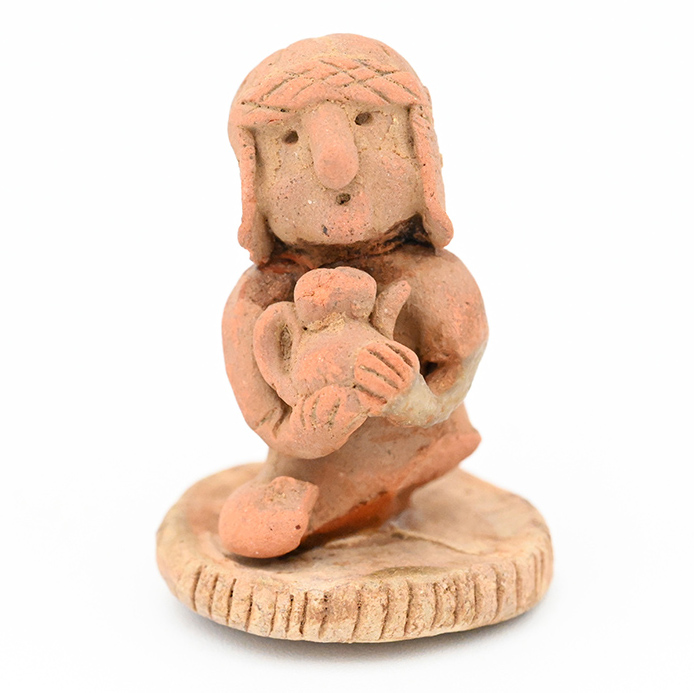
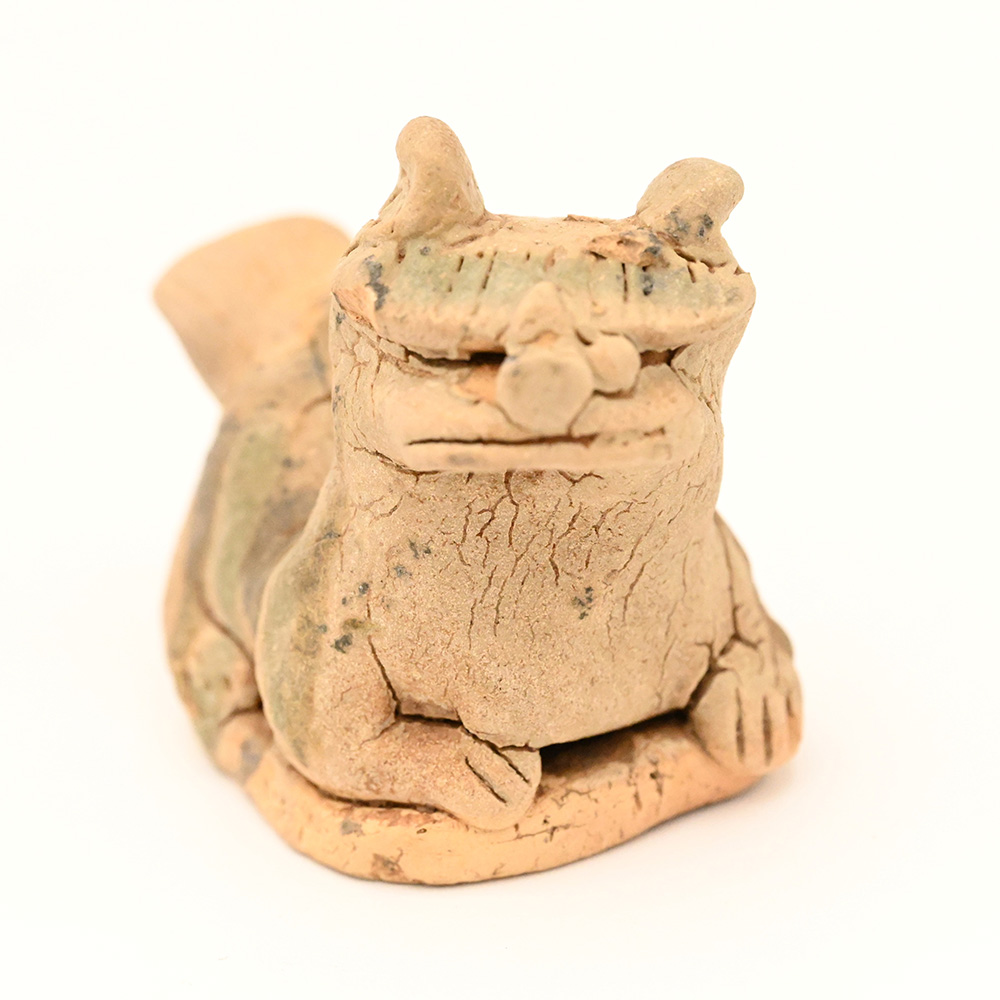
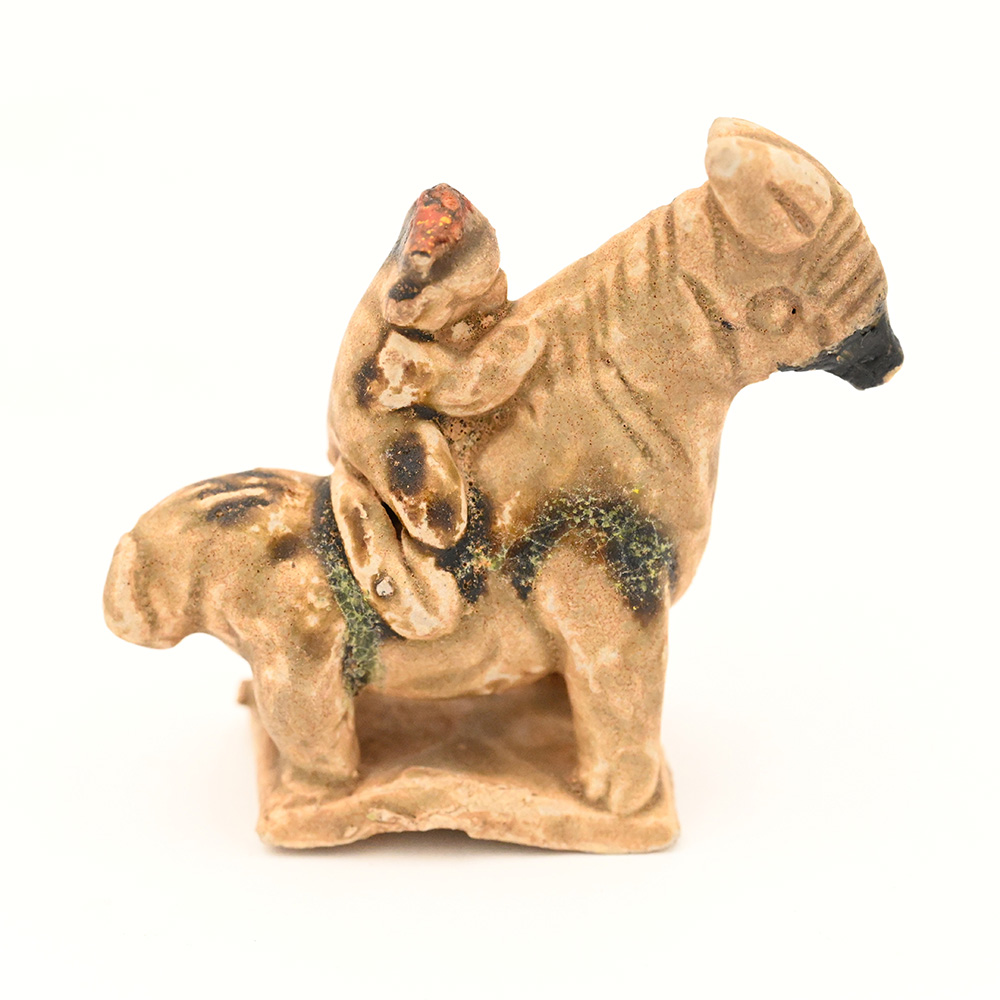
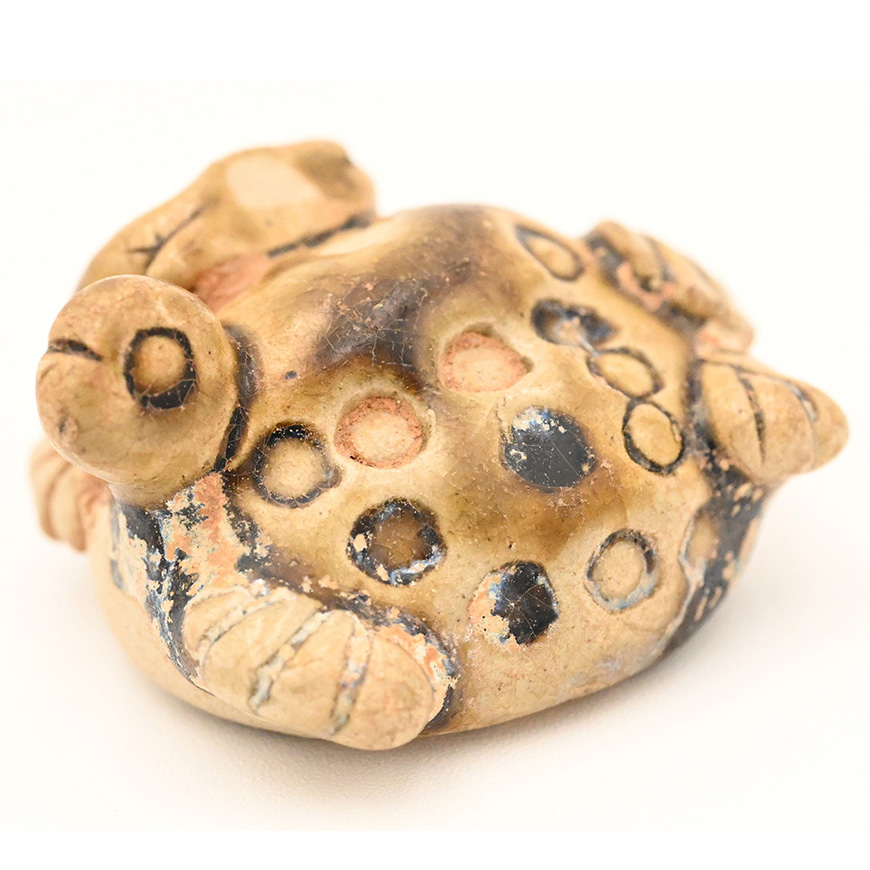
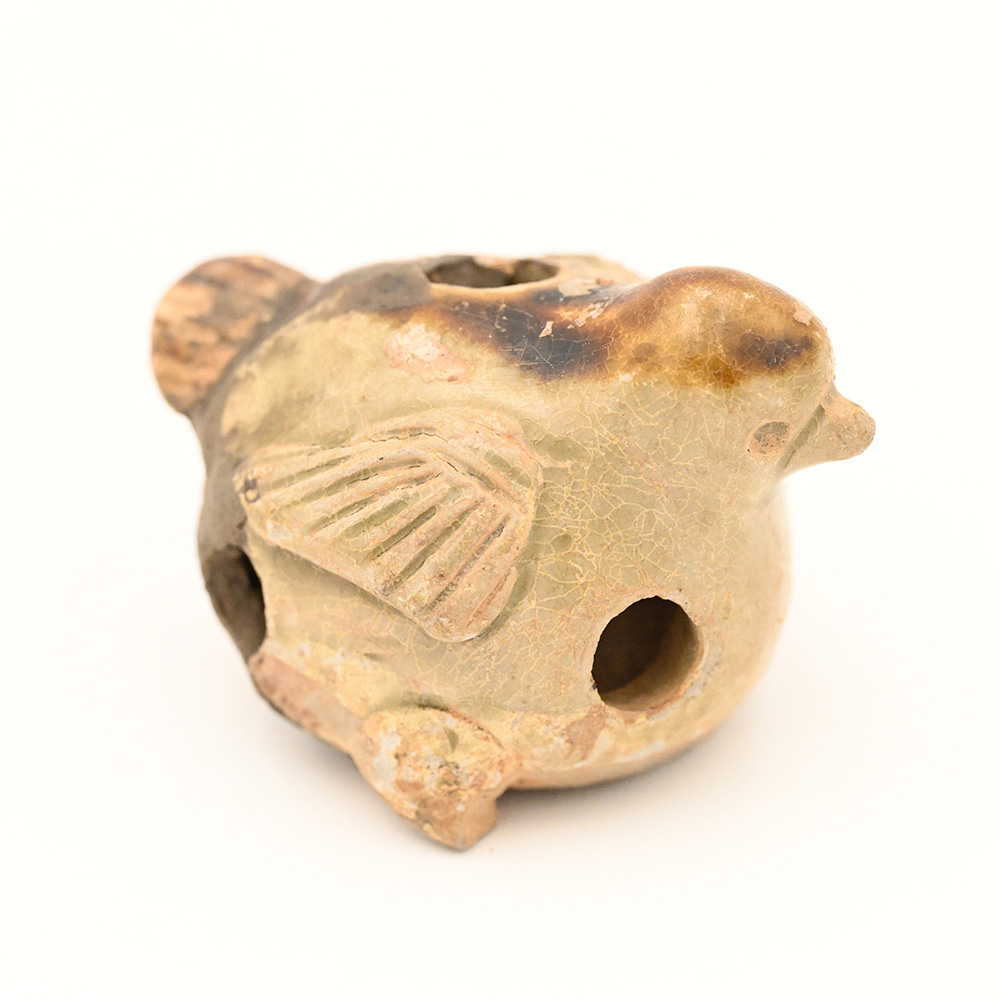
In addition to millions of ceramic vessels like bowls, cups, and ewers, Changsha potters also produced an enormous range of miniature figurines. Often playful and expressive, they depict animals, people, and fantastical creatures. The many subjects provide a glimpse into the cultural life of medieval China. Some figurines were created as whistles or toys, while others may have been charms or ritual objects. Some may have even been mass produced as paperweights for the desks of bureaucrats. At the time that these artifacts were made, the ruling Tang Dynasty was expanding its imperial government. Trade, art, and literature flourished during the relative peace. New peoples, cultures, and ideas entered China. The mix of tradition and innovation during this time period is captured in the Changsha figurines.
Interpreting what each figurine means is not an easy task. Each artifact is over 1000 years old, and most were fragmented or broken after they were thrown away. All of the artifacts on display were discovered in trash pits near the Tongguan Kiln site, suggesting that these artifacts contain mistakes or errors that further complicate their meaning. Some archaeologists have hypothesized that the figurines were thrown away because they were made by children for their own amusement.
This exhibit presents new research conducted by WFU Department of Anthropology students to better understand what these figurines represent. Students selected a range of figurines from the Timothy S. Y. Lam Collection of Changsha Ware, and then analyzed their physical qualities—looking closely at the minor differences between similar objects. Their analysis is complemented by additional research on Changsha Ware vessels with calligraphic inscriptions by students in the WFU Interpreting and Translation Studies Program.
This exhibit was on display from April 29 to November 22, 2025.
Explore the Sections of this Exhibit