Hats
Research by Zhanyi Qi (‘26)
When I began researching this group of figurines, I had no idea a collection of miniatures from a trash pit would lead me to rethink the Tang dynasty as one of the most globally connected empires in history. I focused on their hats. Yes, hats. At first glance, these hats might seem like decorative accessories. But through close visual analysis, comparison with historical sources, and research into cross-cultural material traditions, I came to see these headpieces as meaningful clues. Hats, in this case, helped me identify how Tang artists represented foreignness, and how material culture preserved those identities. Whether wrapped Futou or fur-lined caps, these headpieces helped me decode a deeper history of migration, art, and imagination in Tang China. Hats are powerful symbols. In every culture, they can represent rank, gender, profession, origin, faith, and identity. They’re how we protect ourselves, how we display status, and how we signal where we belong. In the figurines I studied, hats became a language. A language that helped me read the figures not as anonymous decorations, but as deliberate representations of difference—racial, ethnic, gender, and cultural. My close examination of hat wearing figurines offers a new way of seeing how small things can reveal much larger stories.
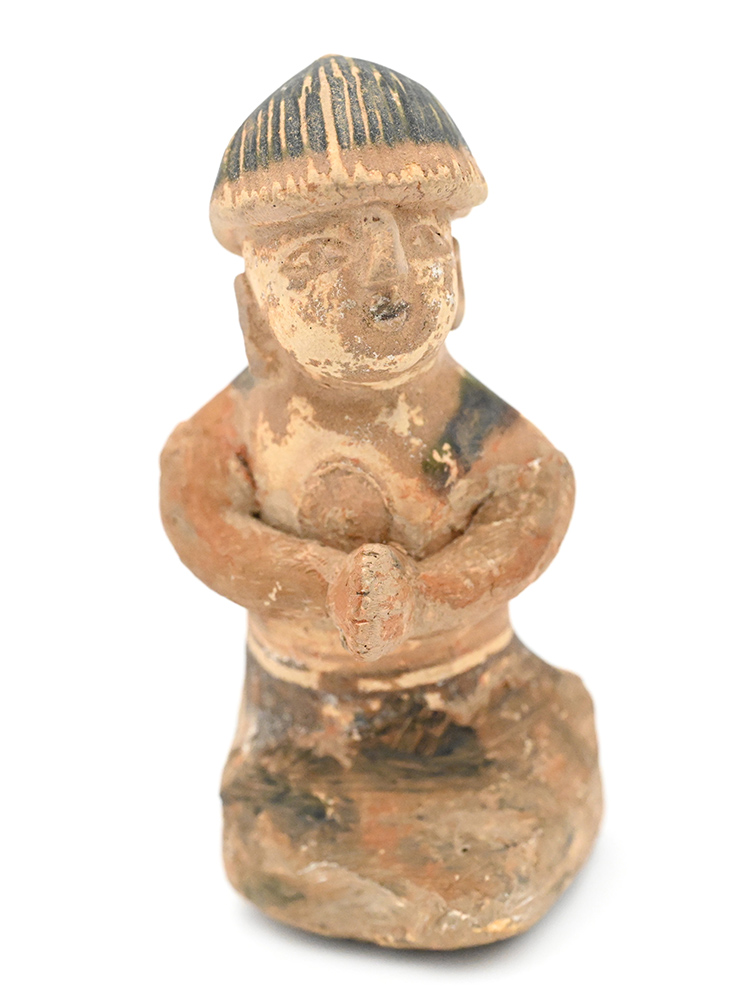
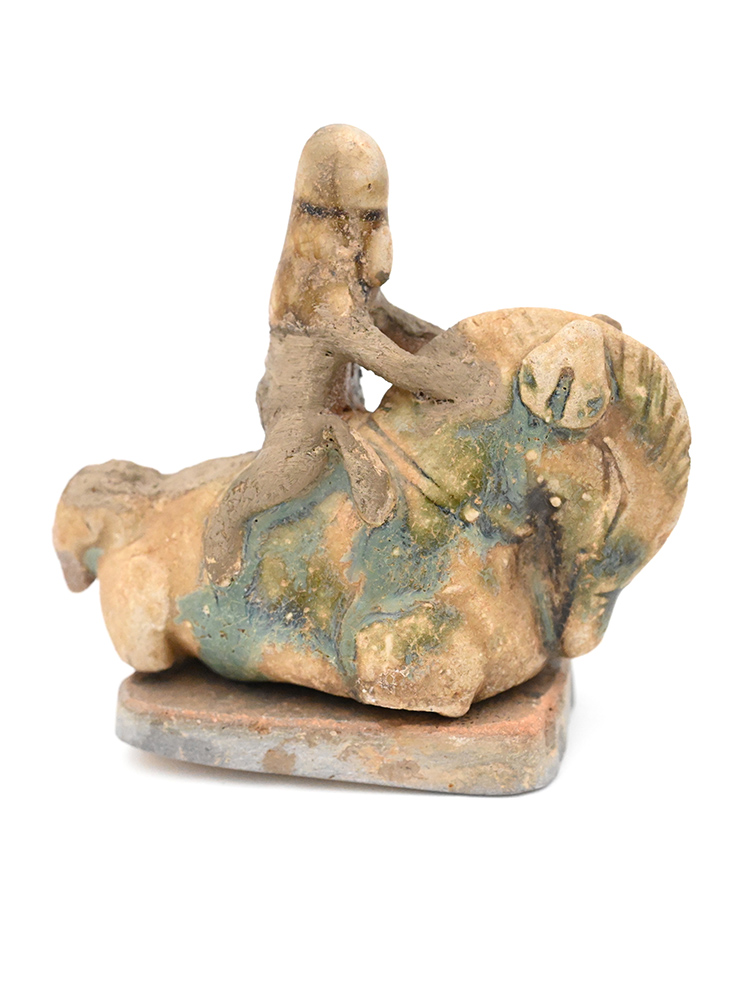
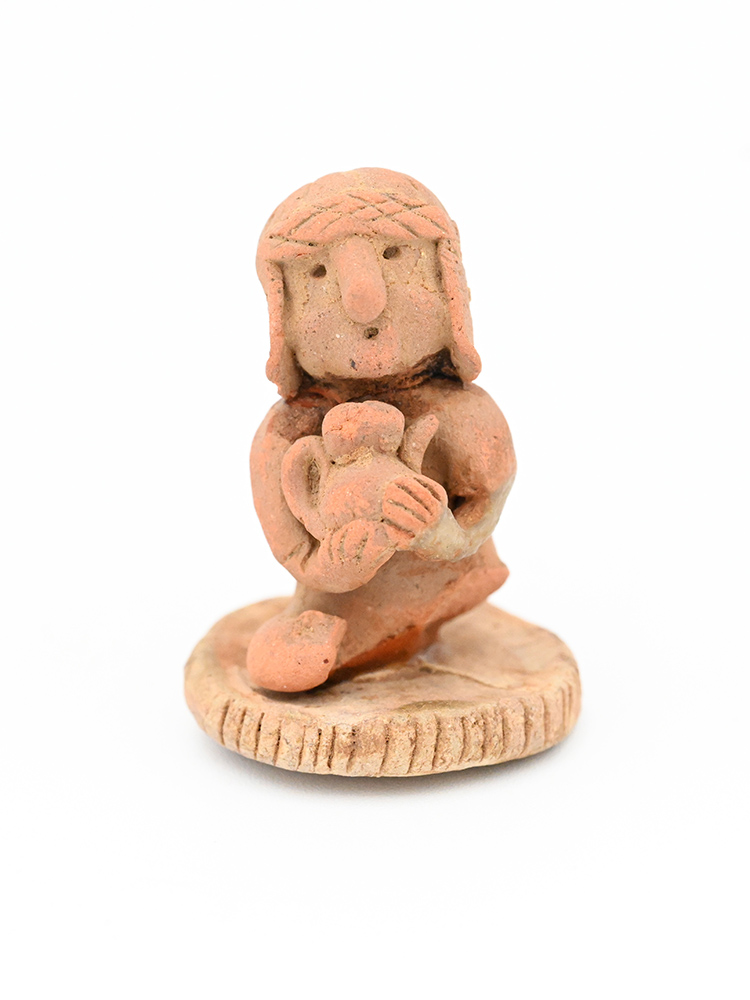
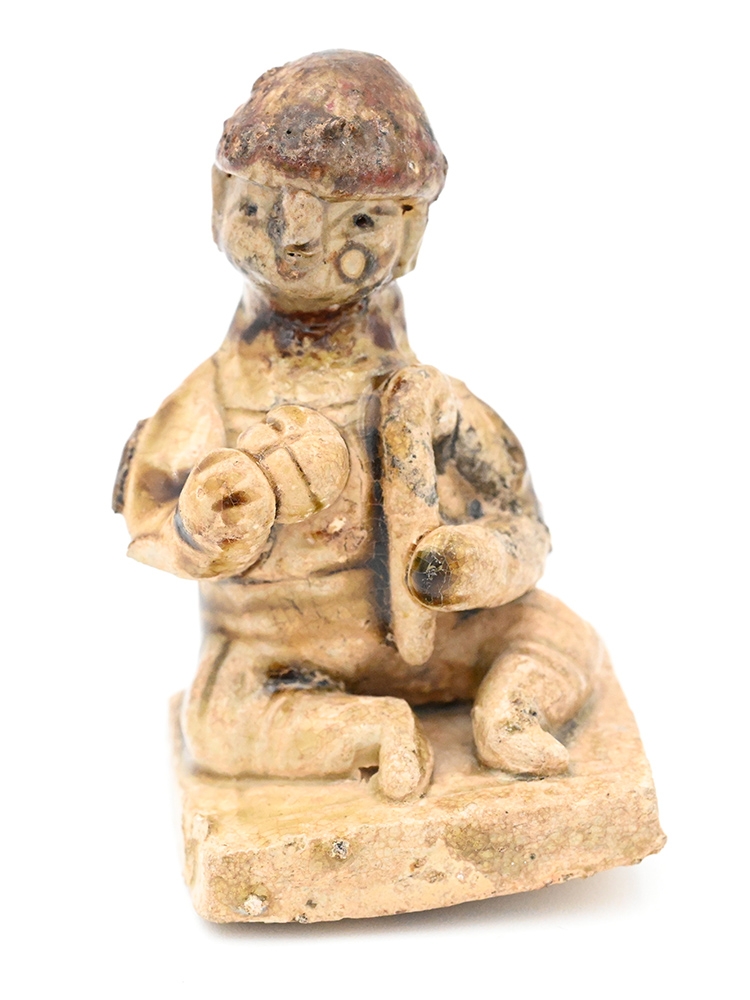
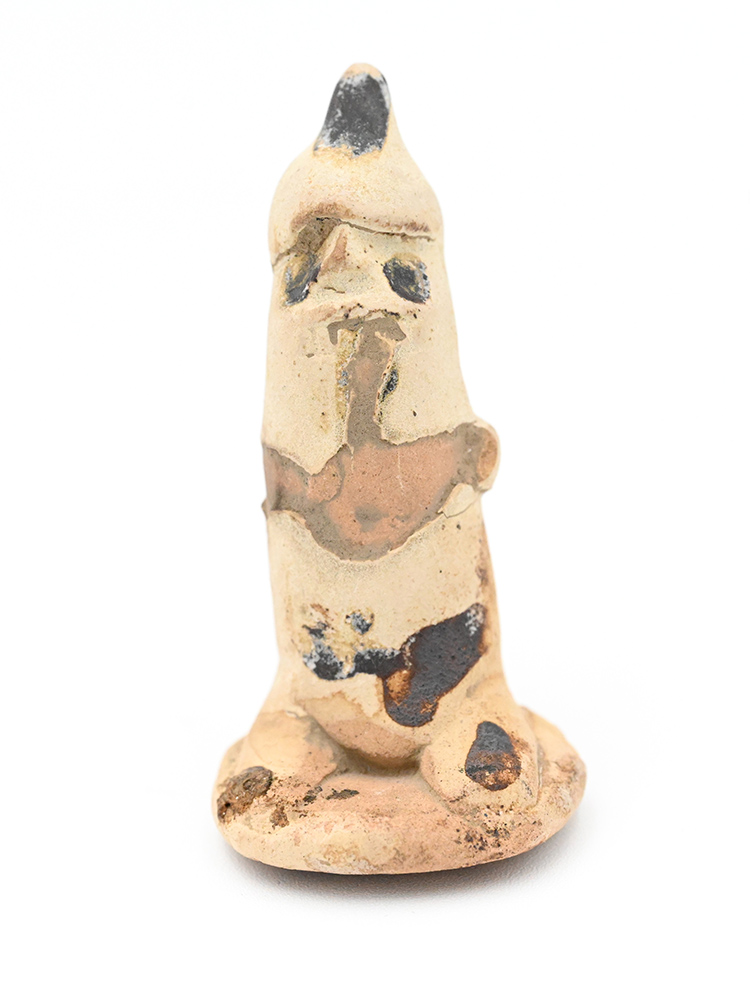
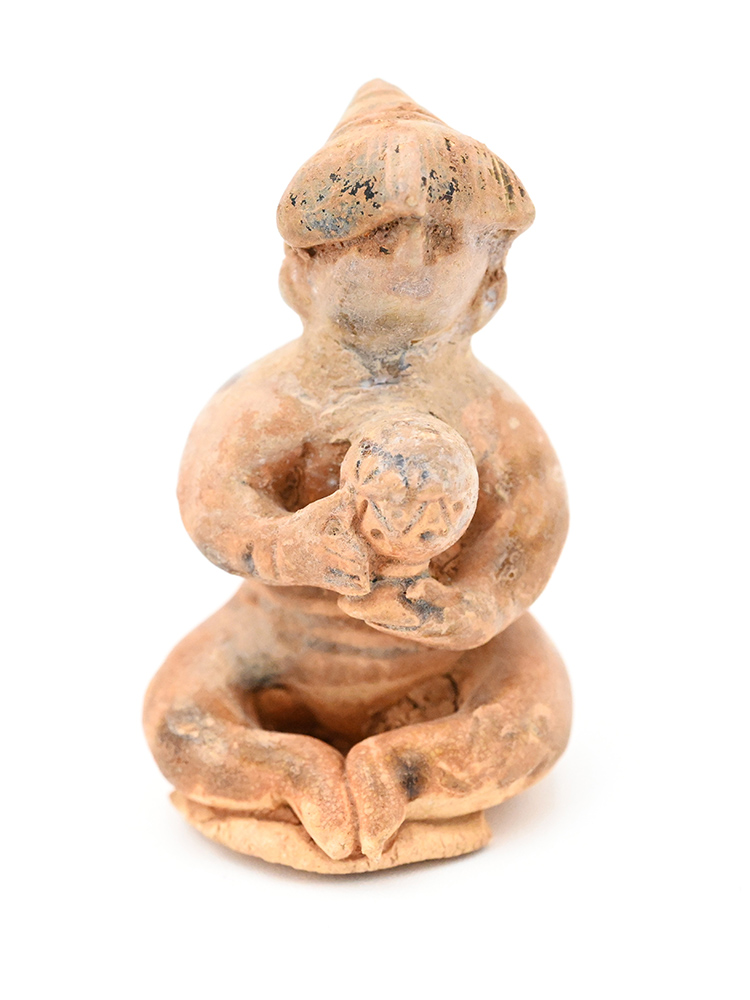
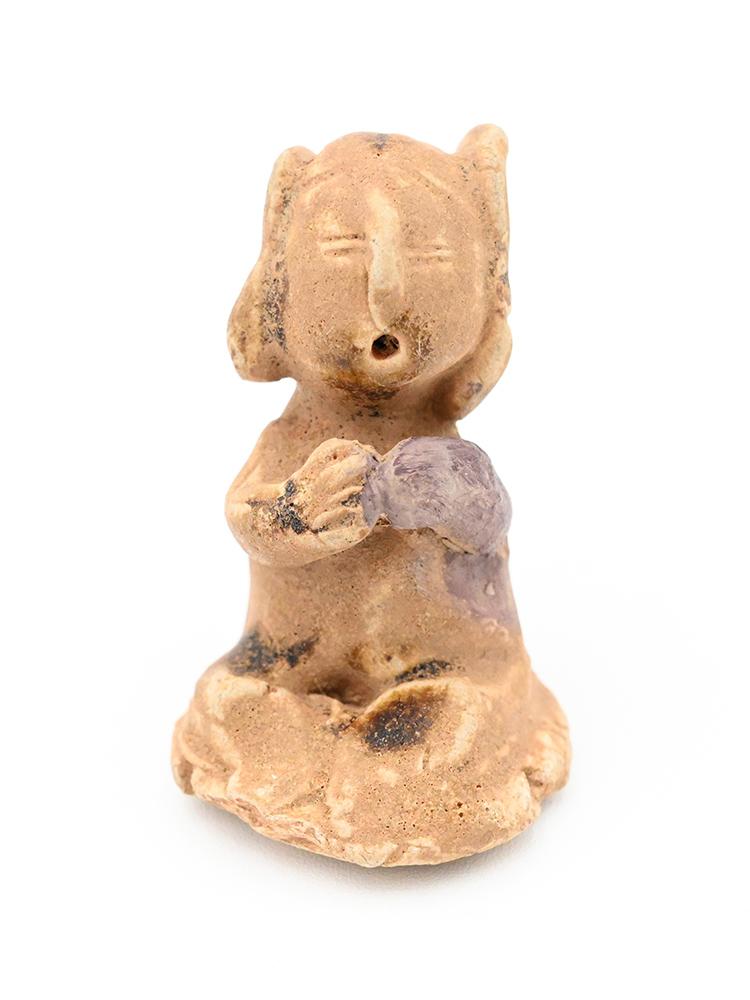
To begin my research, I took an object-centered approach. I examined each figurine individually, focusing on their hats—shape, material, pigment, carving, and proportions. I began to categorize them into three broad types:
- Pointed Hats: Often with dramatic peaks or star-like shapes, sometimes covering parts of the face.
- Round Hats: Dome-shaped or mushroom-like, snug to the head, sometimes decorated with bands or
netting. - No Hat: Only one figure lacked a hat—she wore her hair in double buns, a traditional Han Chinese style for women during the Tang dynasty.
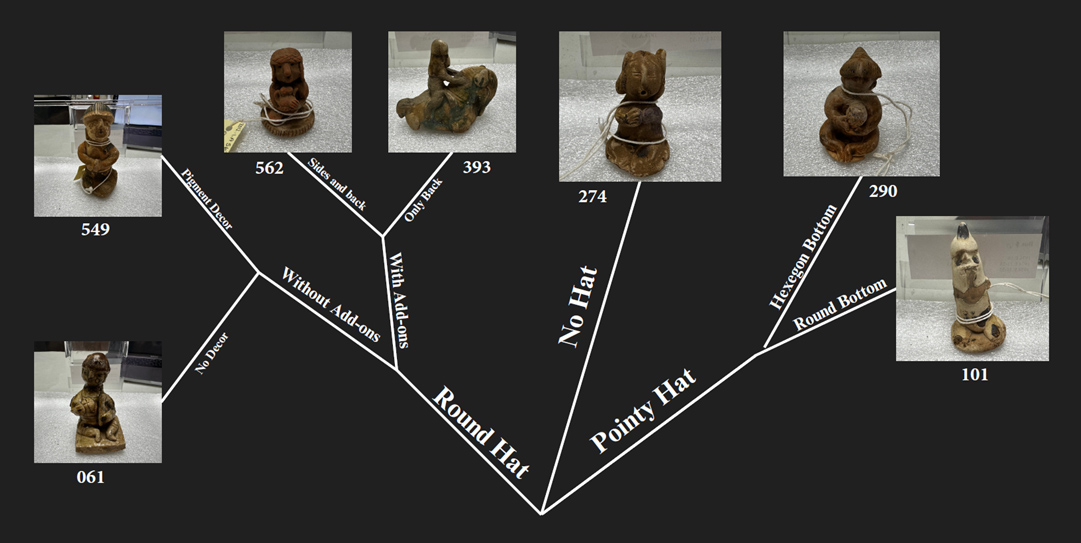
By sorting the hats into these groups and comparing them to styles from the Tang dynasty—like the Futou, a traditional Han Chinese cloth wrap—I started to see patterns. The shapes of these hats didn’t match Chinese styles. Instead, they looked a lot like hats from Central Asian cultures—Uzbeks, Mongols, and other groups that Tang China was closely connected to through trade and diplomacy. What began as a stylistic observation became a hypothesis: these figurines were designed to depict non-Han peoples, and the hats were key visual cues that made that foreignness visible.
The Tang dynasty was a period of extraordinary cultural integration. Through military expansion, diplomacy, and the flourishing Silk Road trade routes, China came into contact with a wide range of Central Asian, Persian, Indian, and even Mediterranean cultures. Historical records and artworks from the time confirm this: the capital city of Chang’an was a global metropolis. Markets were filled with traders from Sogdiana and Samarkand, Buddhist pilgrims from India, and entertainers from Turkic and Mongol regions. These foreigners—known as 胡人 (Hu ren)—lived alongside Han Chinese, forming a vibrant, multicultural society.
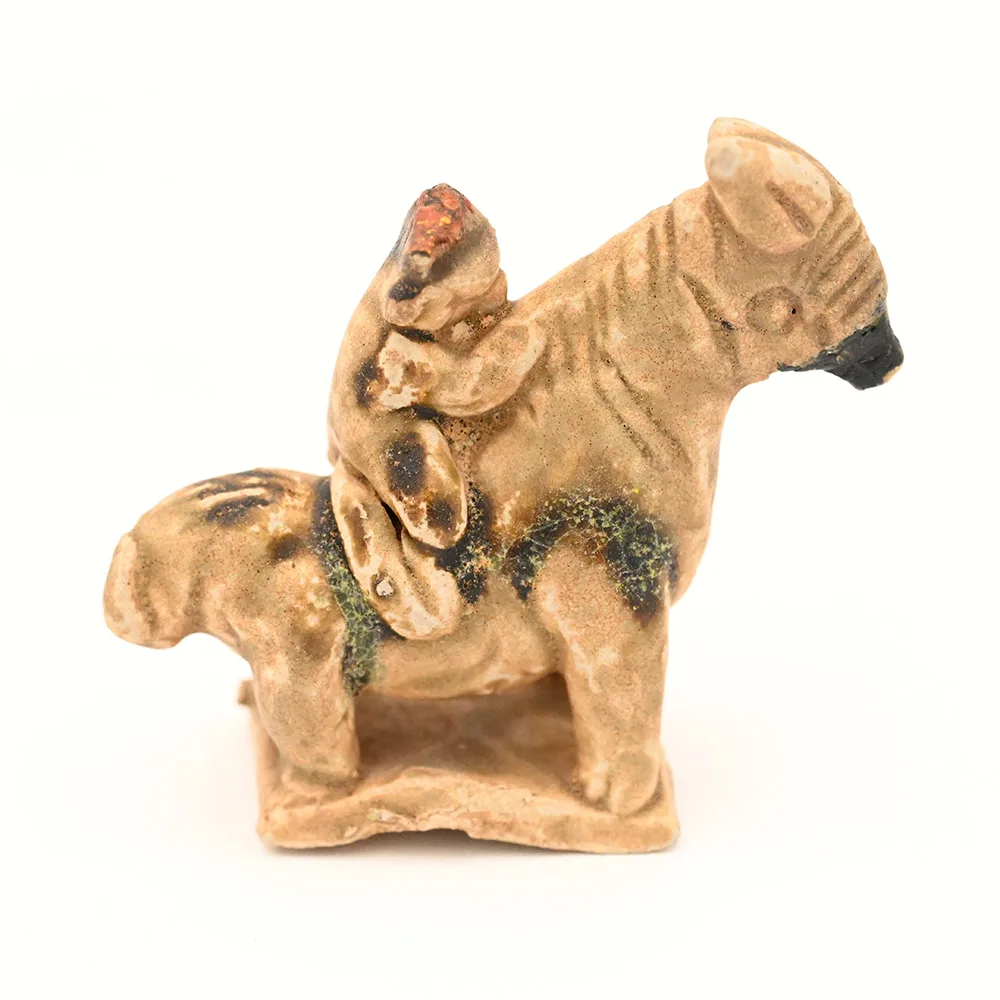
The figurines I studied—small, kneeling or seated forms with exaggerated features and unusual clothing—fit within this world. They appear to depict foreign performers, travelers, and merchants, and were likely used as tomb figures or domestic ornaments. One figure, for example, wears a pointed cap with flaps down the back and sides—exactly like hats worn by Mongolian herders. Another has a starfish-like crown with carved ridges and pigment strips, echoing ceremonial Uzbek headwear. Even their facial features, with wide eyes, hooked noses, or large beards, suggest an effort to depict non-Han ethnicities.
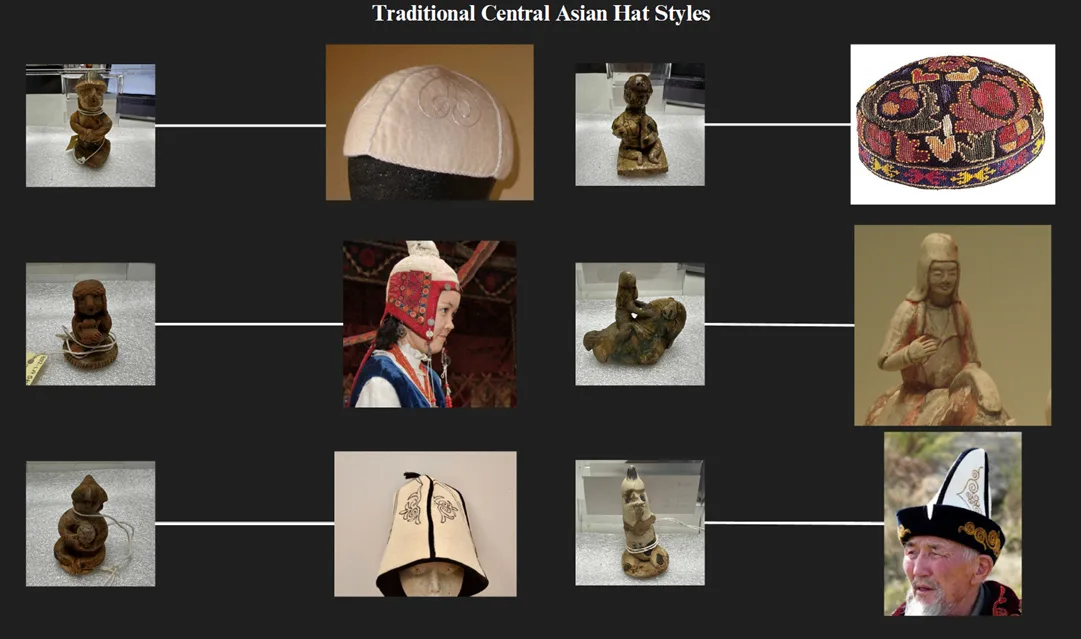
These figurines may have been mass-produced, but their designs reflect real encounters with foreign cultures, and a deliberate attempt to represent cultural difference. In that sense, they’re more than art—they’re evidence of an interconnected world.
Explore the Other Sections of this Exhibit